
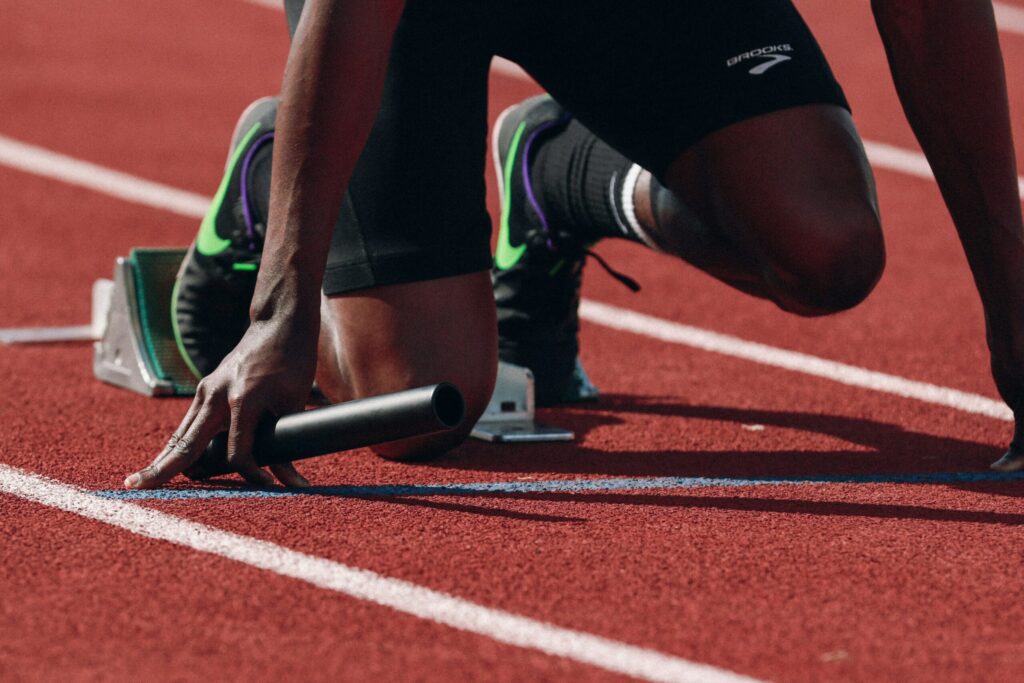
Endurance sports like marathon running, cycling, and triathlons require sustained energy output over long periods. One of the most effective ways to fuel your body during these activities is by using energy snacks.
These small, easily digestible packs provide a concentrated source of carbohydrates, electrolytes, and sometimes caffeine to help maintain performance and prevent fatigue. But to get the most out of Energy Gels, it’s essential to use them correctly. This guide will walk you through how to use energy gels for maximum performance in endurance sports.
What Are Energy Gels?
Energy gels are portable, fast-acting carbohydrate supplements designed to provide a quick energy boost during endurance activities. Most gels contain 20–30 grams of carbohydrates per serving, typically in the form of glucose, maltodextrin, or fructose. Some also contain electrolytes to replenish sodium and potassium lost through sweat, and caffeine to enhance mental alertness and endurance.
Why Use Energy Gels?
During endurance sports, the body primarily relies on glycogen stores for energy. However, these stores become depleted after about 60–90 minutes of continuous effort, leading to fatigue, reduced performance, and even hitting the dreaded “wall.” Energy gels help by:
- Providing fast-absorbing carbohydrates to replenish glycogen stores.
- Preventing muscle fatigue by maintaining blood sugar levels.
- Supporting hydration when taken with water.
- Boosting focus and endurance with added caffeine in some gels.
When to Take Energy Gels
Timing is crucial when using energy gels. Taking them too early can lead to an energy crash, while waiting too long can result in fatigue setting in before the gel takes effect.
- Before the event – Taking an energy gel 15–30 minutes before exercise can help top up glycogen stores and provide an initial energy boost.
- During the event – If your activity lasts longer than 60 minutes, take an energy gel every 30–45 minutes to maintain optimal energy levels.
- After the event – While not necessary for shorter races, taking a gel post-exercise can help replenish glycogen stores, especially if a proper meal isn’t immediately available.
How to Use Energy Gels Effectively
Take Gels with Water
Energy gels have a thick, syrupy consistency and need water to help digestion and absorption. Taking them without water can slow digestion and increase the risk of stomach discomfort. Aim to drink 200–300ml of water with each gel.
Avoid Taking Gels with Sports Drinks
Sports drinks also contain carbohydrates and electrolytes. Mixing them with energy gels can lead to excess sugar intake, causing bloating, stomach cramps, and even diarrhea. Stick to either sports drinks or energy gels, but not both at the same time.
Test Different Gels in Training
Not all energy gels are the same, and everyone’s stomach reacts differently. Some contain fructose, which can cause digestive discomfort for certain athletes. Always test different brands and flavors during training before race day to find what works best for you.
Spread Out Gel Consumption
Avoid taking multiple gels at once. Instead, space them out every 30–45 minutes to maintain a steady energy supply without overwhelming your digestive system.
Use Caffeine Wisely
Some energy gels contain caffeine (usually 25–75mg per serving) to improve alertness and endurance. If you are sensitive to caffeine, avoid taking too many caffeinated gels, as they can lead to jitters or gastrointestinal distress.
How Many Energy Gels Do You Need?
The number of energy gels required depends on the duration and intensity of your activity.
- Short events (less than 1 hour): No energy gels needed (a high-carb pre-workout meal should suffice).
- 1–2 hours: 1–3 gels (one every 30–45 minutes).
- 2–3 hours: 3–5 gels, depending on effort level.
- 3+ hours (e.g., marathon, ultra-running, long cycling events): 5+ gels, taken consistently throughout the race.
Tip: If using energy gels for an event lasting longer than 3 hours, consider alternating with solid foods like energy bars or bananas to avoid flavor fatigue.
Common Mistakes to Avoid
- Taking too many gels at once: Can lead to nausea, bloating, or an upset stomach.
- Skipping water: Increases the risk of dehydration and slows absorption.
- Waiting too long to take a gel: Leads to glycogen depletion and energy crashes.
- Trying a new gel on race day: Always test different brands during training first.
Final Thoughts
Energy gels are a powerful tool for endurance athletes, but they must be used correctly to maximize their benefits. By timing your intake properly, consuming them with water, and testing different brands in training, you can enhance your endurance, delay fatigue, and maintain peak performance during long events.