
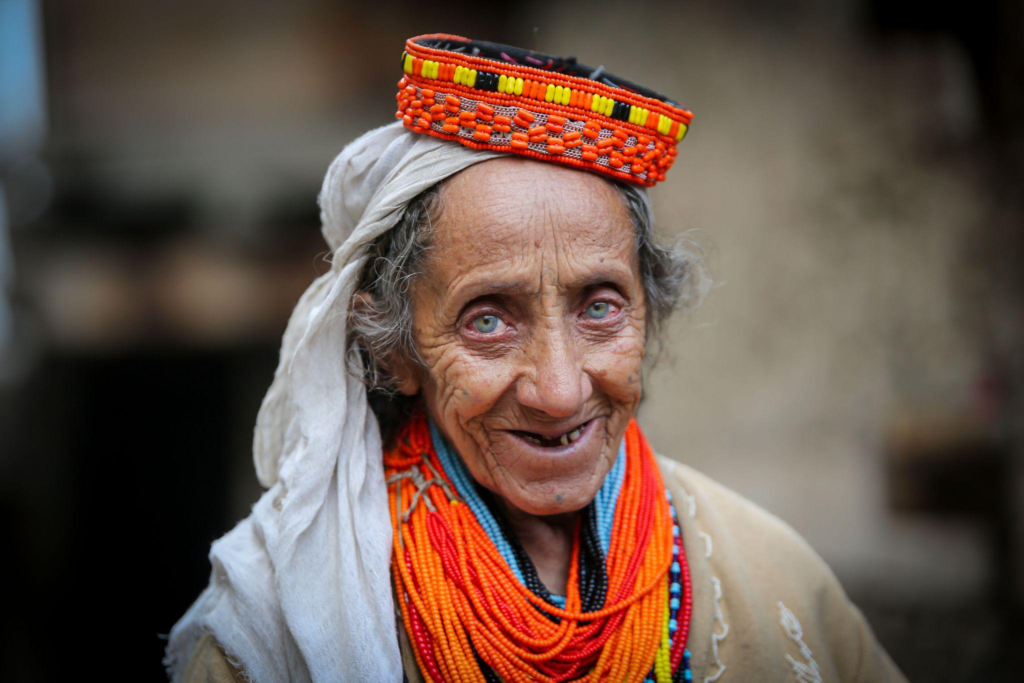
The Kalash Valleys are one of the most striking places I’ve visited in northern Pakistan. Tucked deep into the mountains of Chitral District, the valleys of Bumburet, Rumbur, and Birir are home to the Kalasha people — an indigenous community known for their distinct culture, festivals, and way of life that feels noticeably different from anywhere else in the region.
Getting there is not as straightforward as most destinations in Pakistan’s north. From my own experience traveling to Kalash Valley as an American, the journey involves long mountain roads, changing terrain, and sections where planning ahead genuinely matters. It’s the kind of trip where transport, timing, and season all affect how smooth (or difficult) your visit becomes.
If you want to keep things simple, guided tours are often the easiest way to do it. It removes the need to coordinate jeeps in Chitral, deal with accommodation availability in peak season, or worry about road conditions after long travel days. That’s especially helpful if you’re visiting during festival periods when the valleys get busier than usual. Based on my research and personal experiences, I think The Vacation Project’s Kalash tour is the best for international tourists like me, especially Americans.
In this guide, I’ll walk you through exactly how to travel to Kalash Valley based on the actual routes people take, what the journey feels like on the ground, costs you should realistically expect, where you can stay, and how to plan your itinerary without unnecessary stress.
2. Where is Kalash Valley?
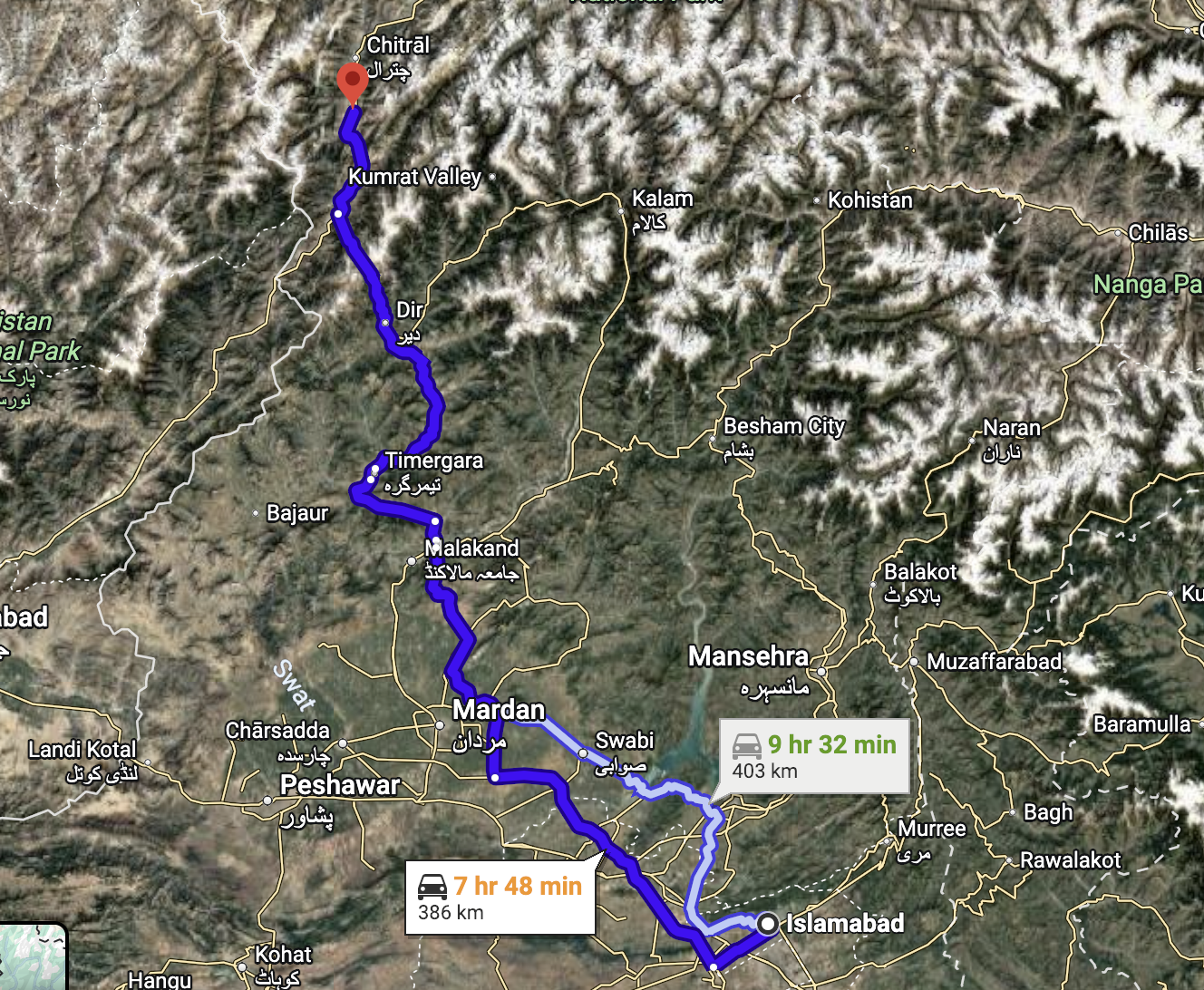
Kalash Valley is located in Chitral District in the far north of Khyber Pakhtunkhwa, close to the border areas of Afghanistan. It sits deep inside a mountainous region, and reaching it always feels like you’re gradually leaving mainstream travel routes behind.
The Kalasha people are spread across three valleys:
Bumburet Valley
This is usually the first stop for travelers and the most accessible valley. When I visited, this is where most guesthouses, small shops, and basic tourist facilities were concentrated.
Rumbur Valley
Rumbur felt noticeably quieter and more traditional. The drive itself is scenic, and once you arrive, the pace of life feels slower compared to Bumburet.
Birir Valley
Birir is the most remote. It’s less visited, and that isolation is exactly what makes it feel more intact culturally, but it also means fewer facilities and longer travel time.
3. Why Visit Kalash Valley?
A Living Culture You Don’t See Elsewhere in Pakistan
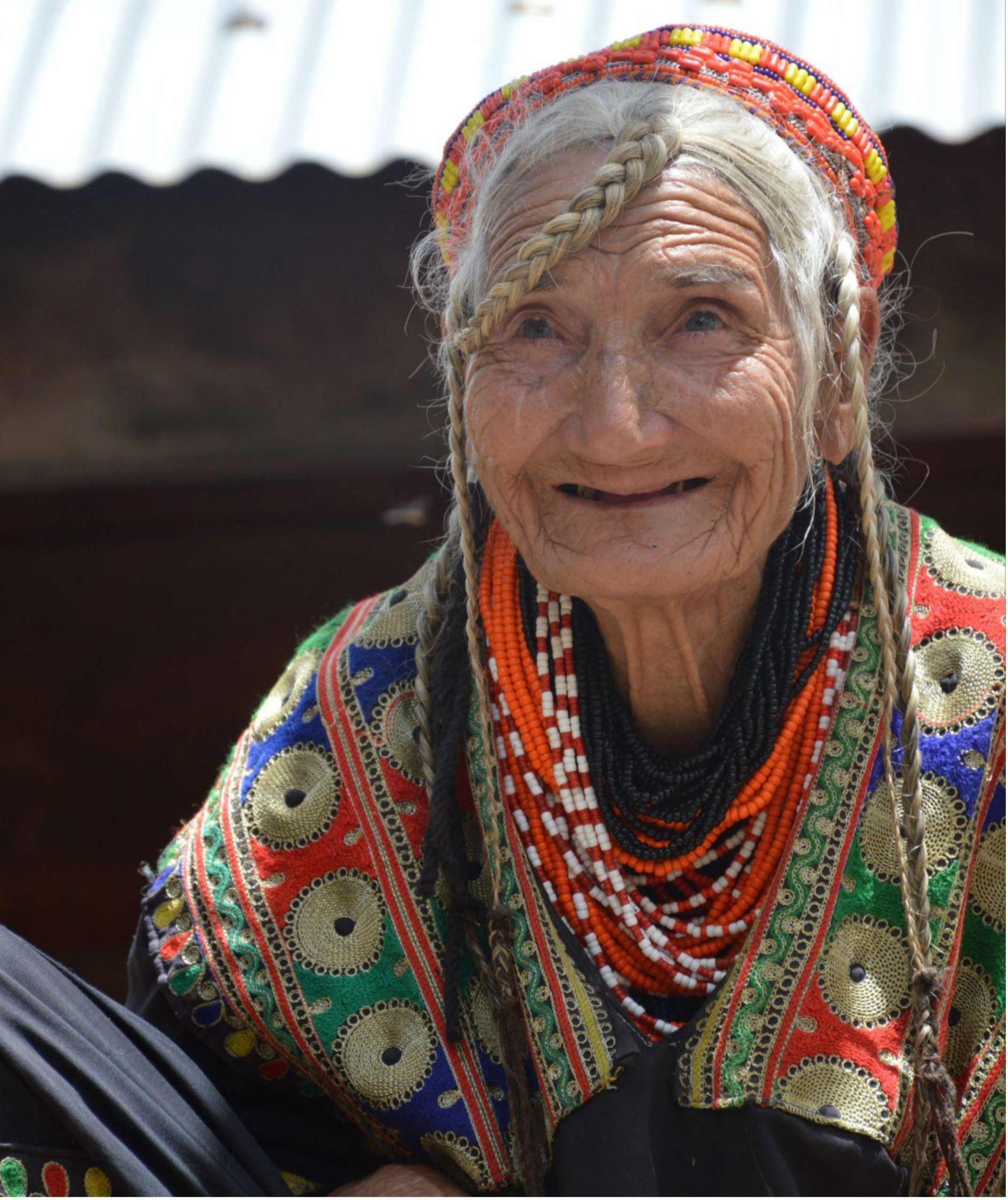
What stood out most during my visit was how distinct the Kalasha culture is from surrounding regions. The clothing, architecture, and daily life are not staged for tourism — people are simply living their normal routines in a way that has remained preserved over time.
Seasonal Festivals That Change the Entire Atmosphere
If your timing is right, the valleys feel completely different during festivals. The main ones are:
- Chilam Joshi (Spring)
- Uchal (Summer harvest season)
- Choimus (Winter festival)
These are not just performances — they’re community events where villages come alive with music, dancing, and gatherings.
Landscapes That Feel Remote Even by Northern Pakistan Standards
Even compared to Hunza or Skardu, Kalash feels more enclosed and remote. Narrow valleys, river crossings, and forested slopes define most of the journey in and out.
A Destination That Still Feels Unfiltered
Despite growing tourism, Kalash hasn’t turned into a heavily commercial destination. Outside of peak festival periods, it still feels relatively quiet, and that sense of space is part of what makes the experience memorable.
4. Best Time to Visit Kalash Valley
Timing is one of the most important factors when planning a trip to Kalash Valley. I’ve seen travelers arrive unprepared for seasonal conditions, and it can completely change the experience — from road accessibility to whether festivals are happening or not.
Spring (April – May): Chilam Joshi Festival Season
Spring is widely considered the best time to visit Kalash Valley.
During Chilam Joshi, the valleys feel completely different. Villages become more active, traditional clothing is worn more frequently, and cultural celebrations take place across Bumburet, Rumbur, and surrounding areas.
Why visit in spring:
- Chilam Joshi festival (main cultural highlight)
- Pleasant daytime temperatures
- Green landscapes and flowing rivers
- Ideal photography conditions
Consideration:
This is also peak season, so accommodation can get limited if you don’t book early.
Summer (June – August): Most Accessible Travel Period
Summer is the most practical time for general travel to Kalash Valley.
When I travelled in this period, road access was stable, and most services were fully operational. It’s also when most domestic and international tourists visit.
Why visit in summer:
- Fully open road access
- Easier transport from Chitral
- All guesthouses and hotels operating
- Comfortable weather in valleys
Consideration:
It can feel busier compared to other times of the year, especially in Bumburet.
Autumn (September – October): Quiet and Scenic
This is a transitional period that many travelers overlook.
The crowds reduce significantly, and the valleys take on a more peaceful atmosphere.
Why visit in autumn:
- Fewer tourists
- Clear mountain views
- More availability in hotels
Consideration:
Some services may reduce frequency as winter approaches.
Winter (November – March): Limited Access / Snow Conditions
Winter travel to Kalash Valley is the most challenging period.
Heavy snowfall in the upper regions of Chitral District can restrict access, and some roads or routes may become difficult or temporarily closed depending on conditions.
Important points:
- Cold temperatures and snow in higher elevations
- Possible road disruptions
- Limited tourist facilities
- Fewer local services operating
Note:
Travel is still possible in some cases, but it requires careful planning and local guidance.
Seasonal Overview Table
| Season | Months | Accessibility | Highlights | Travel Difficulty |
| Spring | Apr – May | Moderate | Chilam Joshi festival, green valleys | Medium |
| Summer | Jun – Aug | Easy | Full access, best logistics | Easy |
| Autumn | Sep – Oct | Easy–Moderate | Fewer crowds, scenic views | Easy |
| Winter | Nov – Mar | Limited | Snow landscapes, quiet valleys | Hard |
5. How to Get to Kalash Valley
Reaching Kalash Valley is a multi-stage journey, and this is usually where most travelers need the most planning. From my experience, the trip always involves three parts: getting to Islamabad/Chitral, reaching Chitral, and then traveling into the valleys by road.
5.1 From Islamabad to Chitral
By Air (Fastest but Weather Dependent)
The quickest way to reach Chitral is by flight.
- Route: Islamabad → Chitral (or via Peshawar depending on schedule)
- Duration: ~1 hour flight time
- Availability: Limited and heavily weather-dependent
Flights are often affected by weather conditions in northern Pakistan, so delays or cancellations are not uncommon. I’ve seen travelers have backup road plans for this reason.
By Road (Most Reliable Option)
The most commonly used route is by road from Islamabad to Chitral.
- Route: Islamabad → Swat/Mingora → Dir → Lowari Tunnel → Chitral
- Duration: 10–14 hours (depending on stops and traffic)
The opening of the Lowari Tunnel has made this route significantly easier compared to older alternatives, but it is still a long mountain journey.
What to expect:
- Long driving hours
- Mountain roads after Dir
- Weather changes as altitude increases
- Rest stops along the way
Most travelers break the journey into segments depending on their schedule.
5.2 From Chitral to Kalash Valleys
Once you reach Chitral city, the final leg of the journey begins.
Jeep Route to Bumburet Valley
- Distance: ~35–40 km from Chitral
- Travel time: 1.5 to 2.5 hours
- Vehicle type: Local jeep or 4×4 recommended
The road from Chitral to Bumburet is mountainous but manageable. During my trip, the drive followed the river valley with multiple sharp turns, small settlements, and scenic viewpoints along the way.
Road Conditions
Road conditions vary depending on the season:
- Mostly paved in lower sections
- Narrow and uneven in mountain stretches
- Can be affected by rain or landslides in some areas
- Generally accessible during summer and spring
Despite being remote, it is one of the more traveled tourist routes in the region, so local drivers are familiar with conditions.
5.3 Transport Options to Kalash Valley
Local Jeeps
The most common option from Chitral.
- Easily available in Chitral bazaar
- Shared or private rides possible
- Affordable but not fixed pricing
This is the option most independent travelers use.
Private 4×4 Rental
A more comfortable and flexible option.
- Better for families or small groups
- Can stop along the route for photography
- Higher cost but more control over timing
Guided Tours (Recommended for First-Time Visitors)
From what I’ve seen, guided tours are the most stress-free way to visit Kalash Valley, especially if it’s your first time in northern Pakistan.
They typically include:
- Transport from Islamabad or Chitral
- Pre-arranged accommodation in Kalash
- Local guides familiar with the valleys
- Help with festival timing and logistics
This removes the need to negotiate transport in Chitral or worry about availability during peak season.
6. Do You Need a Permit to Visit Kalash?
In most cases, visiting Kalash Valley does not require a formal permit for tourists, and this has made the region significantly easier to access in recent years.
Current Entry Rules
When I last traveled through the region, there was no dedicated tourism permit required for Kalash Valley itself. However, travelers may still pass through routine security checkpoints on the way from Chitral, especially given the region’s proximity to sensitive border areas.
These checks are generally straightforward and involve basic ID verification.
Border Sensitivity
Kalash Valley is located in a strategically sensitive region of northern Pakistan, close to the Afghan border. While this does not restrict tourism, it does mean that security presence exists along major routes.
In practice, this translates to:
- Occasional checkpoints on the Chitral–Kalash route
- ID verification for travelers
- Standard security monitoring in the broader district
For most visitors, this process is smooth and does not impact travel plans.
Safety Checkpoints
From a travel perspective, checkpoints are routine rather than restrictive. Local drivers and tour operators are familiar with them, and delays (if any) are usually short.
7. How Much Does a Trip to Kalash Valley Cost?
Trip costs to Kalash Valley vary significantly depending on comfort level, travel style, and whether you are joining a guided tour or traveling independently.
Based on typical travel patterns, here’s a realistic breakdown:
Budget Traveler
Estimated daily cost: $25–$50 per day
- Transport: Shared buses + local jeeps
- Accommodation: Basic guesthouses
- Food: Local restaurants / simple meals
- Guide: Usually not included
Best for: Backpackers and independent travelers comfortable with rough logistics.
Mid-Range Traveler
Estimated daily cost: $60–$120 per day
- Transport: Private jeep from Chitral or partial guided travel
- Accommodation: Standard hotels or better guesthouses in Bumburet
- Food: Mixed local + restaurant meals
- Guide: Optional local guide for cultural visits
Best for: Most international tourists and couples seeking comfort without luxury pricing.
Luxury / Private Jeep Tour
Estimated daily cost: $150–$300+ per day (group dependent)
- Transport: Private 4×4 with driver
- Accommodation: Highest available standard in Kalash or Chitral
- Food: Included or curated dining stops
- Guide: Dedicated local guide throughout trip
Best for: Families, photographers, and travelers prioritizing comfort and time efficiency.
Typical Cost Breakdown (Per Person)
| Category | Budget | Mid-Range | Luxury |
| Transport | Low | Medium | High |
| Accommodation | Low | Medium | High |
| Food | Low | Medium | Medium–High |
| Guide | None | Optional | Included |
8. Where to Stay in Kalash Valley
Accommodation in Kalash Valley is simple but functional, and options vary depending on which valley you stay in.
Guesthouses in Bumburet
Bumburet has the widest range of guesthouses and small hotels. Most travelers base themselves here because it offers:
- Easier road access
- More accommodation choices
- Basic food and supply availability
This is the most practical base for first-time visitors.
Homestays with Kalash Families
Some travelers choose to stay in locally run homestays.
From what I’ve observed, this offers a more immersive experience:
- Direct interaction with Kalasha families
- Traditional food experiences
- A quieter, more cultural environment
However, facilities are basic and availability can be limited.
Staying in Chitral City
Chitral is often used as a transit base before or after visiting Kalash.
It offers:
- More hotel variety
- Better connectivity and services
- Easier access to transport
Many travelers split their stay between Chitral and Kalash depending on itinerary length.
9. Things to Do in Kalash Valley
Kalash Valley is not a destination defined by “activities” in the traditional sense. Most experiences come from simply being present in the villages and interacting with the environment.
Cultural Village Walks
Walking through villages in Bumburet and Rumbur is one of the most meaningful experiences. You’ll see traditional homes, daily routines, and local community life.
Museums and Cultural Sites
There are small cultural museums and heritage spaces in the region that provide context about Kalasha history, beliefs, and traditions.
Hiking and Nature Trails
The surrounding mountains offer short and moderate hiking routes. These are not highly commercialized trails, but local guides can help identify safe routes.
Festival Participation
If your timing aligns with Chilam Joshi, Uchal, or Choimus, the experience becomes significantly more immersive, as villages host gatherings and cultural performances.
Photography Spots
Kalash Valley is one of the most visually distinct regions in Pakistan:
- Traditional wooden architecture
- Mountain backdrops
- Colorful clothing during festivals
- River valleys and forested slopes
- Sample 3–5 Day Itinerary
This is a realistic itinerary based on how most travelers actually experience Kalash Valley.
Day 1: Islamabad → Chitral
- Long travel day by road or flight (if available)
- Arrival in Chitral city
- Overnight stay in Chitral
Day 2: Chitral → Bumburet Valley
- Jeep transfer into Kalash region
- Check-in at guesthouse
- First exploration of Bumburet village
- Overnight in Kalash Valley
Day 3: Explore Kalash Culture
- Village walks
- Interaction with local communities
- Optional visit to small cultural sites
- Photography and slow exploration day
Day 4: Rumbur Valley Excursion
- Day trip or overnight in Rumbur
- Scenic drive through mountain roads
- Experience quieter village environment
- Return to Bumburet or stay overnight
Day 5: Return Journey
- Travel back to Chitral
- Continue onward to Islamabad or next destination
- End of trip
This itinerary reflects a practical travel flow rather than an idealized version, based on how the route and road timings actually work in the region.
11. Is Kalash Valley Safe for Tourists?
From my experience traveling through Kalash Valley and the wider Chitral region, it is generally a safe destination for tourists. Most visitors complete their trips without any issues, and the local communities are accustomed to receiving both domestic and international travelers.
That said, safety here is less about crime and more about terrain, logistics, and preparedness.
General Safety Overview
Kalash Valley is considered one of the more stable tourist regions in northern Pakistan. You’ll find a visible local presence in villages and along main routes, and travelers are usually welcomed in a respectful and calm environment.
The most important factor is being prepared for remote travel conditions rather than security risks.
Road Safety
The biggest practical risk in Kalash Valley is road travel.
From Chitral to the valleys, the roads are:
- Mountainous and narrow in sections
- Curvy with limited overtaking space
- Sometimes affected by weather (rain or minor landslides)
During my own travel, the journey was smooth but required careful driving, especially on bends along river sections. Using experienced local drivers is strongly recommended.
Cultural Respect Rules
Kalash Valley is not a typical tourist destination—it is a living cultural environment. Respecting local customs is essential for both safety and positive interactions.
Key points include:
- Ask before photographing people
- Avoid entering private homes without invitation
- Dress modestly in villages
- Be mindful during cultural or religious gatherings
Respect goes a long way here and directly affects how warmly visitors are received.
Women Traveler Notes
Female travelers frequently visit Kalash Valley, including solo and group travelers. The region is generally considered welcoming, but cultural sensitivity is important.
Practical considerations:
- Modest clothing is recommended
- Respect local customs when interacting in villages
- Traveling with a guide can make navigation and communication easier
Most women I’ve seen traveling in the region reported positive experiences, especially when traveling respectfully and prepared.
12. What to Pack for Kalash Valley
Packing for Kalash Valley depends heavily on season, but the region’s remote nature means preparation is important regardless of timing.
Clothing (Modesty + Weather Layers)
Weather can change quickly in the mountains.
Recommended packing:
- Light layers for daytime
- Warm jacket (even in summer evenings)
- Comfortable walking shoes
- Modest clothing for village visits
Even in warmer months, evenings can feel noticeably cold.
Cash (No ATMs in Valleys)
There are no reliable ATMs once you leave major cities like Chitral.
You should carry:
- Sufficient cash for the entire stay
- Extra buffer for transport or emergencies
- Small denominations for local purchases
Most guesthouses and local vendors operate on cash only.
Power Bank / Charging Backup
Electricity can be inconsistent in remote areas.
A power bank is essential because:
- Charging points may be limited
- Power outages can occur in some villages
- Long travel days drain phone batteries quickly
Medicines and Personal Essentials
There are limited pharmacy options in the valleys.
It is advisable to carry:
- Basic pain relief medication
- Motion sickness tablets (for mountain roads)
- Personal prescriptions
- First aid essentials
Being self-sufficient here is important due to remoteness.
13. Local Culture & Etiquette
Understanding local culture is one of the most important parts of visiting Kalash Valley. The experience is not just about sightseeing—it’s about respectfully entering a living cultural environment.
Respect for Kalash Traditions
The Kalasha people have distinct cultural practices and beliefs. Visitors are welcome, but respect is expected.
Key guidelines:
- Observe rather than interrupt cultural practices
- Avoid loud or disruptive behavior in villages
- Follow guidance from local hosts or guides
Small gestures of respect significantly improve interactions.
Photography Rules
Kalash Valley is extremely photogenic, but photography should always be handled carefully.
Best practice:
- Always ask before photographing individuals
- Avoid taking photos inside private homes
- Be especially respectful during ceremonies
In my experience, people are often open to photos when approached politely.
Dress Code Expectations
There is no strict dress code, but modesty is important in village settings.
Recommended:
- Covered shoulders and knees
- Avoid overly revealing clothing
- Practical footwear for walking terrain
This helps ensure respectful interaction with local communities.
Interaction Guidelines
Visitors are often welcomed warmly, but cultural sensitivity matters.
Helpful practices:
- Greet people politely before engaging
- Accept invitations respectfully if offered
- Avoid assumptions or intrusive questions about religion or customs
Mutual respect defines most positive visitor experiences in Kalash.
14. Travel Tips
These are practical insights based on actual travel conditions in Kalash Valley and Chitral region.
Internet Connectivity
Connectivity in Kalash Valley is limited and inconsistent.
- Mobile signals may be weak or unavailable in some areas
- Wi-Fi is not widely reliable in guesthouses
- Messaging apps may work intermittently
It is best to plan for partial digital disconnect.
Fuel Availability
Fuel stations are limited outside Chitral.
- Always refuel in Chitral before heading into Kalash
- Do not rely on availability inside valleys
- Longer trips require planning fuel stops in advance
Booking Jeeps in Advance
Transport from Chitral to Kalash is usually arranged locally, but availability can fluctuate during peak seasons.
- In summer and festival periods, demand increases
- Prices may vary depending on negotiation and timing
- Pre-arranged transport (or tour packages) reduces uncertainty
Festival Crowd Planning
If you plan to visit during Chilam Joshi or other festivals, expect significantly higher visitor numbers.
From observation:
- Accommodation fills up quickly
- Transport demand increases
- Villages become more crowded than usual
Booking early is strongly recommended during these periods.
15. Frequently Asked Questions (FAQs)
How far is Kalash Valley from Islamabad?
Kalash Valley is roughly 450–500 km from Islamabad depending on the route taken. By road, the journey typically takes 10 to 14 hours to Chitral, followed by an additional 1.5 to 2.5 hours to reach Bumburet Valley in Kalash.
Most travelers break the journey into two parts due to the long mountain drive.
What is the best way to reach Kalash Valley?
There are three main ways to reach Kalash Valley:
- By road (most common):Islamabad → Dir → Lowari Tunnel → Chitral → Kalash
- By air:Islamabad/Peshawar → Chitral (weather dependent)
- By guided tour:Includes transport, accommodation, and local logistics
From experience, road travel is the most reliable option, while flights are faster but not always available due to weather conditions.
Is Kalash Valley worth visiting?
Yes, especially if you are interested in culture, photography, or off-the-beaten-path destinations. Kalash Valley offers a rare combination of living indigenous culture, mountain scenery, and seasonal festivals that you won’t find in Pakistan’s more commercialized tourist spots.
However, it is not a luxury destination—expect basic infrastructure and a more authentic travel experience.
How many days are enough for Kalash Valley?
A 3 to 5-day trip is ideal for most travelers.
- 3 days: Quick visit focusing on Bumburet Valley
- 4 days: Balanced trip including Rumbur Valley
- 5 days: Full experience with slow travel and exploration
Anything shorter often feels rushed due to travel time from Islamabad and Chitral.
Do foreigners need permission to visit Kalash Valley?
In most cases, no special permit is required for foreigners or Pakistani tourists to visit Kalash Valley.
However, travelers may pass through standard security checkpoints on the way from Chitral, where ID verification may be required. These checks are routine and usually quick.
What language is spoken in Kalash Valley?
The Kalasha people speak Kalasha-mun, their native language, but most locals in the region also understand:
- Khowar (Chitral language)
- Urdu
- Basic conversational English (in tourist areas)
Communication is generally not a major issue, especially if you are traveling with a local guide.
Can you visit Kalash Valley year-round?
Kalash Valley is accessible most of the year, but conditions vary:
- April to October:Best and easiest travel conditions
- November to March:Possible but affected by cold and occasional snowfall
Winter travel is quieter but requires more preparation and flexibility.
Is Kalash Valley safe for solo travelers?
Yes, Kalash Valley is generally safe for solo travelers, including international visitors. Most safety considerations relate to road travel, weather conditions, and preparedness rather than security threats.
Solo travelers often find it helpful to hire local transport or join a guided trip for easier navigation.
What should I wear in Kalash Valley?
Modest and practical clothing is recommended.
- Comfortable walking shoes
- Layered clothing for changing temperatures
- Light, modest outfits for village visits
- Warm jacket for evenings
Respectful dressing helps ensure positive interactions with local communities.
Is there mobile network and internet in Kalash Valley?
Mobile coverage is limited and inconsistent in Kalash Valley.
- Some signals are available in Bumburet
- Rumbur and remote areas may have weak or no coverage
- Internet access is unreliable
Travelers should be prepared for partial digital disconnection during their stay.