
Most room makeovers go wrong at the same moment: the sofa arrives, the paint dries, and the space feels smaller, darker or busier than the showroom suggested. Swatches are tiny, catalog photos are shot in staged studios, and a Pinterest board rarely shows your own window, your own ceiling height or the awkward corner beside the radiator. By then, returning a purchase costs money and weekends.
A better habit is to test the room on screen first. Paper sketches help with measurements but say little about colour and light, and hiring a designer for every small refresh is not realistic. Producing quick visual drafts from your own photos with Ai interior design gives you something concrete to react to before you spend anything. This guide covers how to prepare the room, run the test and judge the results honestly.
Start With the Room You Actually Have
Take photos that a tool can read
Stand in a corner at roughly chest height so the camera captures two walls, the floor and as much of the ceiling as possible. Shoot in daylight with the lights off, and take one wide shot plus one photo of each wall. Clear away loose clutter first; piles of boxes confuse both people and software about where surfaces begin and end.
Record what cannot change
Write down wall lengths, ceiling height, door swing, window positions and the depth of any furniture you are keeping. Add fixed items such as radiators, sockets and built-in shelving, plus your budget ceiling. This list becomes the checklist you use later to catch designs that look attractive but would not work in the real room.
Decide What Changes and What Stays
Testing everything at once produces results you cannot compare. Pick one or two variables per round, such as wall colour and sofa style, and leave flooring, curtains and layout alone until the first choice is settled.
Take a hypothetical example: a north-facing living room of about 3.5 by 4.2 metres with grey flooring that you plan to keep. Round one compares three wall colours with the same furniture. Round two keeps the winning colour and compares two sofa shapes. Each round answers a single question, so the decision at the end is clear instead of a blur of half-liked options. It also helps to write a one-line brief before each round, for example "brighter, calmer, room for a desk", and judge every version against that sentence rather than against passing mood.
Run the Visual Test
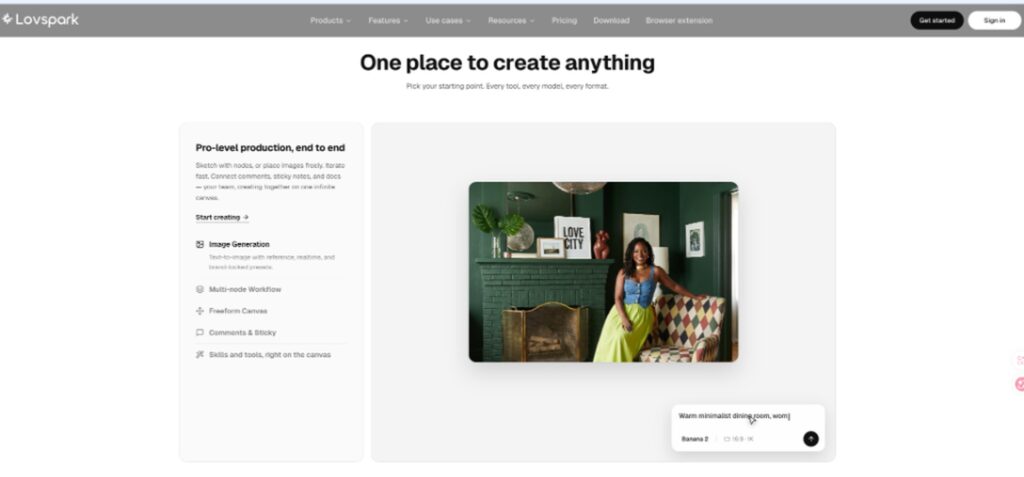
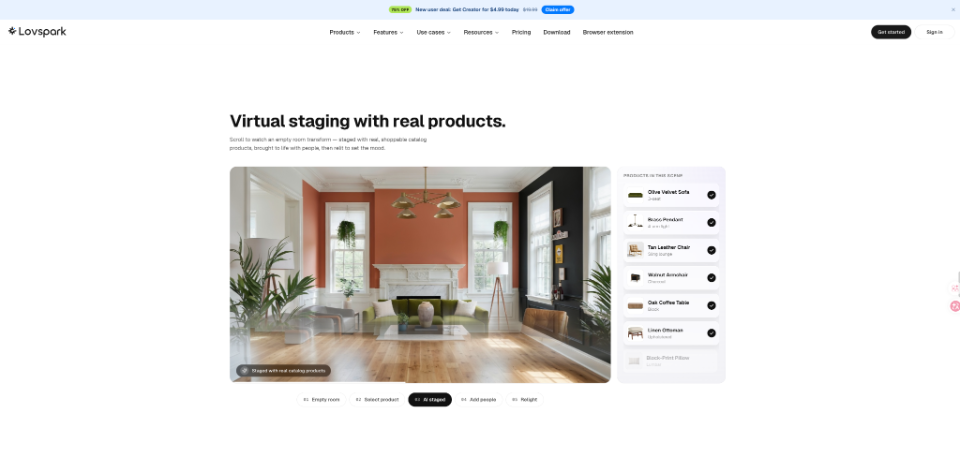
For this step, an ai room design workflow can take your photo plus a written brief or a style reference image and return restyled versions of the same space. According to the platform's own description, walls, openings and proportions are meant to stay in place while only the requested elements change, and earlier versions remain on the canvas so you can step back. Furniture swaps and material changes in a chosen area are handled on the same image.
Keep the process disciplined:
- Upload the primary photo and state exactly one change per round.
- Generate at least three variations and save every one, including the ones you dislike.
- Compare them side by side from the same camera angle.
- Note what each version gets right, such as brightness, warmth or sense of space.
Sketchy prompts produce sketchy answers, so describe materials and colours specifically. If you already own a sofa or rug you plan to keep, mention it in the brief so the new palette is built around it rather than clashing with it. "Warm oak flooring and sage green walls" gives a more useful draft than "cosy and natural".
Check the Result Against Reality
A convincing image is not proof that a design works. Treat every generated concept as a visual opinion, then test it against the measurements you recorded.
- Scale: Compare the sofa in the image with the door height and window sill. If it looks shallower than your measured seat depth allows, the render is flattering the room.
- Walkways: Main routes through a room generally need around 90 centimetres of clearance. Mark that gap on the floor with tape to see whether the layout leaves enough.
- Light: Check whether shadows match the real window position. A north-facing room will not look like a sunny render without extra lamps.
- Colour: Screens distort paint, so order physical samples, tape them to the wall and view them at morning and evening light for several days before buying a full tin.
- Products: Generated furniture may resemble no item you can actually buy. Search for real pieces with similar dimensions before treating the image as a shopping plan.
Once you have ruled out designs with unrealistic proportions, lighting or furniture sizes, use Ai interior design to refine the remaining options based on your actual measurements and practical needs. This extra round of visual testing helps turn attractive concepts into more realistic decorating plans before you commit to expensive purchases.
Know When a Professional Is Needed
Visual drafts help you decide what you like. They do not replace measured drawings, structural advice or local building rules. Moving a wall, relocating plumbing or changing electrical circuits requires qualified people to inspect the site, regardless of how convincing the concept looks.
A practical approach is to bring your best two or three drafts, your measurements and your constraints list to a designer or contractor. They can quickly tell you which options are feasible, which need compromises and what each would cost. Showing clear visual references usually shortens that conversation and reduces misunderstandings about taste. Ask them to mark anything in the drafts that would break a rule, clash with existing services or exceed your budget, then update the next round of images to match.
Conclusion: Use Drafts to Decide, Not to Build
The most reliable way to avoid a regretted makeover is to compare options before you commit money. Photograph the room carefully, record the fixed measurements, change one variable per round and save every version. Then test the favourite against scale, walkways, light and real products. Treat the result as a rough decision aid, and bring in professionals for anything structural or technical. Done this way, the first purchase you make is the one you have already seen, questioned and chosen with confidence, and any surprises arrive on screen instead of in your living room.