
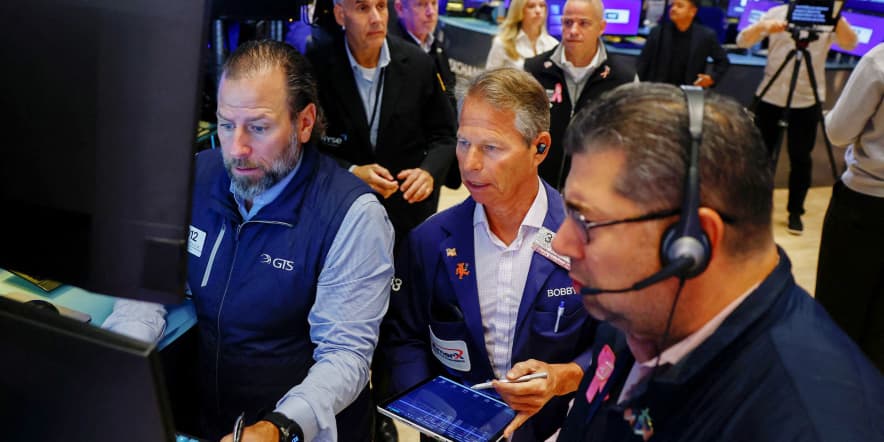
Markets move fast. A single Federal Reserve statement, an unexpected earnings miss, or a geopolitical flare-up can shift billions of dollars in minutes. For investors, traders, and anyone who simply wants to understand the economy, waiting for tomorrow’s newspaper is no longer practical. Real-time information has become essential, and one of the most reliable ways to get it is by watching a CNBC live stream.
This guide explains why live financial television still matters, how to get the most out of it, and how to combine it with other trusted sources for a complete picture of Wall Street and global markets.
Why Live Financial News Still Matters
Social media and push notifications deliver headlines quickly, but they rarely deliver context. A headline might tell you the S&P 500 dropped 1.5 percent. A live broadcast tells you why, who is reacting, what analysts expect next, and how other asset classes are behaving at the same moment.
Live business television offers several advantages:
- Speed: Breaking news, from central bank decisions to merger announcements, is covered as it happens.
- Expert commentary: Portfolio managers, economists, and CEOs are interviewed directly, often within minutes of major events.
- Visual data: Tickers, heat maps, and charts on screen let you track indices, commodities, currencies, and yields at a glance.
- Context: Anchors and analysts connect individual stories into a bigger narrative about the economy.
Build Your Day Around the Market Calendar
The most effective way to use a live stream is to match your viewing to the rhythm of the trading day. U.S. markets operate on a predictable schedule, and each phase offers something different.
Pre-market (roughly 4:00 a.m. to 9:30 a.m. Eastern): This is when overnight developments are digested. Asian and European markets have already traded, futures are moving, and companies often release earnings before the opening bell. Watching early programming helps you understand how the day may open.
The opening bell and first hour: Volatility is typically highest here. Watching live helps you see which sectors are leading, which stocks are gapping up or down, and how traders are reacting to the morning’s data.
Midday: Trading often slows, making this a good time for deeper interviews, strategy discussions, and sector analysis.
The closing bell and after-hours: The final hour can bring sharp moves as institutions rebalance. After the close, earnings reports from major companies frequently land, and live coverage explains how those results are shaping after-hours trading.
Key Events Worth Watching Live
Some events are worth planning your schedule around, because the market reaction unfolds in real time:
- Federal Reserve announcements and press conferences. Interest rate decisions affect everything from mortgages to tech valuations. The Fed chair’s remarks are closely parsed, and live analysis helps you interpret tone and implications.
- Monthly jobs and inflation reports. The nonfarm payrolls report and the Consumer Price Index are among the most market-moving data releases.
- Earnings season. Every quarter, thousands of companies report results. Bellwethers like major banks, chipmakers, and retailers often set the tone for entire sectors.
- Geopolitical developments. Trade negotiations, elections, and conflicts influence oil prices, currencies, and risk appetite worldwide.
- Major IPOs and mergers. Live coverage often includes interviews with executives and bankers involved in the deals.
Tips for Getting the Most From a Live Stream
Watching a market broadcast passively is useful, but a few habits will make it far more valuable.
Keep a notepad or digital note open. Jot down tickers, economic terms, or ideas you want to research further. Never act on a single comment without verifying it.
Distinguish news from opinion. Guests often have a view to promote, or a position in the stock they are discussing. Treat commentary as input for your own research, not as a recommendation.
Use the stream alongside data tools. Pair your viewing with a charting platform or your brokerage dashboard so you can instantly check prices, volume, and historical trends when something catches your attention.
Learn the vocabulary. If you hear terms like “yield curve inversion,” “quantitative tightening,” or “forward guidance,” look them up. Over time, you will follow the conversation with confidence.
Don’t chase every headline. Live coverage can create a sense of urgency. Long-term investors in particular benefit from filtering the noise and focusing on information that actually affects their strategy.
Combine Live Video With Other Trusted Sources
No single outlet gives you everything. A well-rounded approach blends live television with written reporting, official data, and independent analysis. A few reputable destinations worth bookmarking:
- CNBC for its original reporting, market data, and video archive.
- Bloomberg for global markets coverage, terminal-grade data, and in-depth financial journalism.
- Reuters for fast, neutral wire reporting on markets, companies, and commodities.
- The Wall Street Journal for investigative business reporting and analysis of corporate and economic policy.
- Federal Reserve for official statements, meeting minutes, and economic projections straight from the source.
- SEC EDGAR for company filings such as 10-Ks, 10-Qs, and 8-Ks, which let you verify what executives say on air.
- Investopedia for clear explanations of financial concepts and terminology.
Using primary sources like the Fed and the SEC alongside televised commentary helps you separate fact from interpretation, a habit that serious investors rely on.
Where to Watch: livenewsof.com
If you want a convenient place to access business television without hunting across multiple sites, livenewsof.com is one destination worth exploring. Its dedicated business news portal at livenewsof.com/category/news-live brings together CNBC and other USA business news channel streams in one place, making it easier to switch between networks and compare how different outlets cover the same story.
That comparison can be valuable. When a major event breaks, watching two or three channels in succession shows you different guests, different angles, and sometimes different emphasis. Seeing how multiple newsrooms frame the same development makes you a more discerning consumer of financial news.
Build a Simple Daily Routine
Staying informed does not require watching screens all day. A practical routine might look like this:
- Morning (15 to 30 minutes): Tune in before the open to catch overnight headlines, futures, and the day’s economic calendar.
- Midday check-in: Glance at the stream or a market summary to see whether the morning’s narrative has changed.
- Closing hour or evening recap: Review how the day ended, what drove the moves, and which earnings or data are due tomorrow.
- Weekly review: Set aside time to read longer analysis, check official data releases, and reflect on whether your own strategy still fits conditions.
Consistency matters more than volume. Even a short, disciplined routine builds market literacy faster than sporadic bursts of attention.
A Note on Responsible Use
Market coverage is educational, not personalized financial advice. Prices change quickly, and what sounds convincing on air may not suit your goals, timeline, or risk tolerance. Before making investment decisions, consider consulting a licensed financial advisor and always do your own research.
Final Thoughts
Wall Street and global markets are connected, fast-moving, and constantly evolving. Watching a live financial news broadcast gives you speed, expert insight, and context that static headlines cannot match. By structuring your viewing around the trading day, focusing on major events, verifying claims against primary sources, and comparing coverage across networks, you can turn a simple live stream into a genuine edge in understanding the economy.