
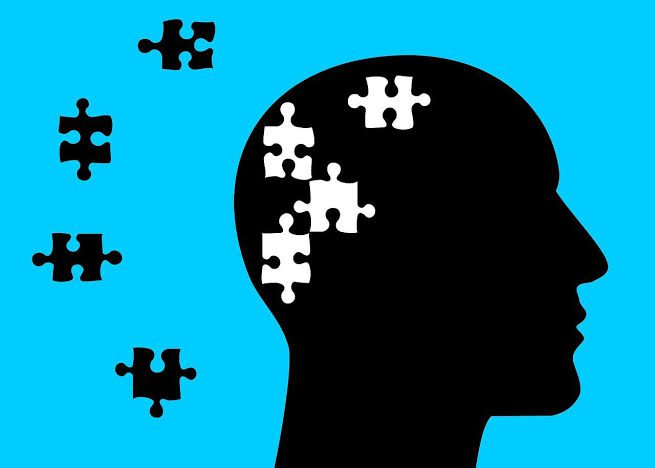
Post-traumatic stress disorder, or PTSD, is a condition that is present in everyone. It is a psychological disorder that manifests itself following a highly stressful or traumatic experience by an individual. Individuals tend to be insecure, nervous,s or stressed. Early intervention in symptoms can be of great benefit during recovery. If you are seeking help, knowing how to find proper Post-Traumatic Stress Disorder Treatment in Dallas is essential.
Understanding PTSD
PTSD occurs when the brain cannot process traumatic experiences. This might be life threatening accident, a physical attack, warfare, or a natural calamity. PTSD can be caused even by such events as witnessing a crime or the sudden loss of a loved one.
Flashbacks or nightmares are frequent occurrences for people with PTSD who are subjected to reliving their trauma. They can even evade circumstances that will remind them of the episode. It is associated with mood variations (anger, guilt, sadness, etc.). Life can be daunting in everyday life.
One should keep in mind that PTSD is not a weakness indicator. It is a psychological disorder that can be addressed with proper medication. Seeking Post-Traumatic Stress Disorder Treatment in Dallas helps individuals regain control of their lives and feel safe again.
Typical PTSD Emotional Symptoms
The emergence of emotional symptoms is ppreliminary It is necessary to monitor some of the signs, including:
- Continued depressive mood or melancholy.
- Fear that seems to be beyond control.
- Sudden anger or irritability.
- Experience of being unattached to loved ones.
- Lack of interest in previously taken-up activities.
These emotions can be considered standard initially, particularly following a traumatic event. Yet, when they are weeks or months long, then it requires professional assistance. Experts in Post-Traumatic Stress Disorder Treatment in Dallas can help patients manage these emotions.
Changes of Behavior to be notified
Trauma may modify the behavior of an individual. Typical behavioral symptoms are:
- Avoiding situations, individuals, or things that are associated with the trauma.
- Inability to sleep or remain asleep.
- Easy scare or always in a state of apprehension.
- Difficulties in focusing or remembering.
These changes are usually realized by the family members and friends before the individual does. Encouraging them to seek professional guidance for Post-Traumatic Stress Disorder Treatment in Dallas can make a significant difference.
Physical Symptoms of PTSD
There are also physical problems that are caused by PTSD. Some people experience:
- Headaches or migraines
- Gastrointestinal problems or stomach problems.
- Fast pulse rate or chest discomfort.
- Fatigue and low energy
Such symptoms go unnoticed most of the time as they do not appear to be an aspect of mental health. They are, however, typical symptoms of trauma. Seeking Post-Traumatic Stress Disorder Treatment in Dallas can help address both emotional and physical symptoms.
The Significance of Early Intervention
It is essential to identify the symptoms of PTSD early. The better the results are, the faster one seeks help. The deprivation of untreated PTSD may result in depression, drug abuse, and poor relationships. Young people and adolescents can develop learning disorders or behavioral disorders.
By learning the signs, you can support loved ones in seeking Post-Traumatic Stress Disorder Treatment in Dallas quickly. The sooner the intervention, the better the therapy and the way to recovery.
Forms of PTSD Treatment
Several treatment procedures work with PTSD. Different approaches are frequently used by professionals in the most successful combination.
1. Psychotherapy (Talk Therapy)
Therapy helps patients process the trauma in a secure setting. Cognitive-behavioral therapy (CBT) is very much recommended. It assists the patients in identifying negative thought patterns and transforming them. Another method that will help to decrease the stress caused by the traumatic experiences is eye movement desensitization and reprocessing (EMDR).
2. Medication
Medication is helpful to some patients to deal with anxiety, depression, or sleep disturbances. The drugs are not a cure for PTSD, but assist in the healing process by alleviating the worst symptoms.
3. Support Groups
Isolation can be mitigated by sharing with other people who are facing the same condition as you are. Support groups give validation, understanding, and encouragement.
A combination of these treatments is often included in Post-Traumatic Stress Disorder Treatment in Dallas programs for comprehensive care.
How to Select the Right Treatment Center
- One should identify the appropriate treatment center. Consider these factors:
- Skilled and certified mental health practitioners.
- Evidence-based treatment such as CBT and EMDR.
- Individualized treatment plans.Favorable atmosphere.
Reputable centers that offer Post-Traumatic Stress Disorder Treatment in Dallas focus on personalized care. They evaluate the needs of the patients and support them on a long-term basis.
Identifying PTSD in Kids and Adolescents
Young people can also have PTSD. Children are not verbal about trauma, but some of the symptoms are evident:
- Nightmares or sleeping problems.
- Regressive behavior,r e.g., bedwetting.
- Problem with concentration at school.
- Violent or shy behavior.
The parents and caregivers are expected to stay alert and seek professional assistance. Specialized programs for Post-Traumatic Stress Disorder Treatment in Dallas include child-focused therapies and family support.
The Contribution of Family and Friends
Loved ones will be very important in the recovery. When the family is educated about PTSD, patients will feel more secure and inspired. Families can:
- Promote the treatment without a judgmental attitude.
- Listens and does not advise without seeking advice.
- Undergo family therapy.
Loved ones play a key role in reinforcing the strategies learned during Post-Traumatic Stress Disorder Treatment in Dallas. Their assistance provides a healing atmosphere that enhances results.
Lifestyle Modifications that Facilitate Recovery
Besides treatment and drug use, the symptoms of PTSD may be controlled through daily habits. Consider:
- Exercising frequently to feel less anxious and more cheerful.
- Staying grounded through mindfulness and meditation.
- Sleeping habits to avoid exhaustion.
- Avoiding drugs and alcohol that increase the symptoms.
These habits complement professional Post-Traumatic Stress Disorder Treatment in Dallas and improve overall mental health.
Misconceptions about PTSD
PTSD is misinterpreted by many. Breaking the myths contributes to lessening stigma:
- PTSD is not a sign of weakness
- Trauma is not objective; any person can become a PTSD victim.
- Symptoms of PTSD are not so evident all the time.
- It can be cured and can recover.
Awareness of these facts encourages patients to seek timely Post-Traumatic Stress Disorder Treatment in Dallas without fear or shame.
When to Seek Immediate Help
The symptoms of PTSD may sometimes get out of control and become hazardous. Seek help immediately if:
- There are suicidal ideations or self-harm.
- Panic attacks or severe anxiety do not allow normal functioning.
- Severe aggression or anger is dangerous.
Immediate support can be found in emergency services or a reliable mental health professional. Knowing where to go for Post-Traumatic Stress Disorder Treatment in Dallas can save lives.
Lasting Recovery and Support
There is no one-time event of recovery from PTSD. Mental health is maintained with the assistance of long-term support:
- Continued therapy sessions
- Frequent visits with mental health providers.
- Membership of support groups.
- Staying healthy in terms of lifestyle practices.
Centers offering Post-Traumatic Stress Disorder Treatment in Dallas often provide ongoing support to ensure that patients do not relapse and can live fulfilling lives.
Conclusion
The beginning of the healing process is the acknowledgment of the symptoms of PTSD. There are emotional, behavioral, and physical symptoms, and they all suggest that the patient requires professional help. The affected individuals can be taught to conquer their lives through early intervention, appropriate therapy, and constant support.
Want to get professional assistance in case you or someone you love is in distress. Comprehensive programs for Post-Traumatic Stress Disorder Treatment in Dallas combine therapy, medication, and lifestyle support. When well taken care of, it can recover.
For trusted and personalized care, consider reaching out to Dallas Mental Health, where experienced professionals provide compassionate Post-Traumatic Stress Disorder Treatment in Dallas to help patients reclaim their mental well-being.