
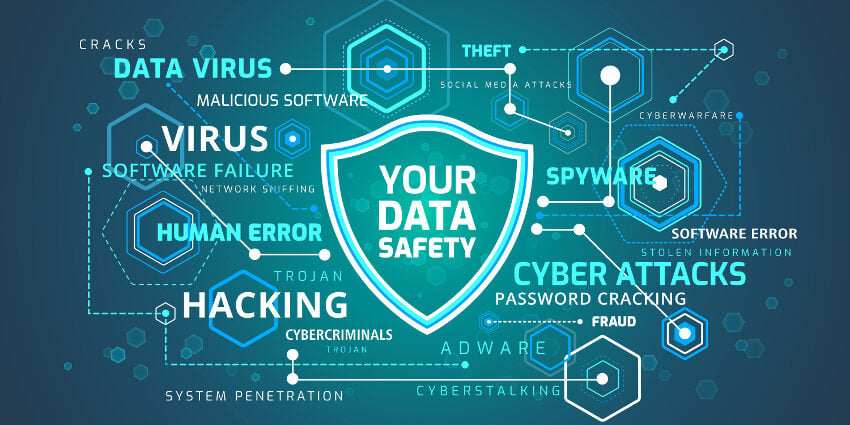
In today’s digital world, small businesses are increasingly targeted by cybercriminals. Many business owners believe that only large corporations are at risk, but the reality is that small businesses are prime targets due to their limited cybersecurity resources. Cyber attacks can lead to data breaches, financial loss, and damage to your reputation. The good news? Protecting your small business doesn’t have to break the bank. With affordable protection measures and a focus on data leakage prevention, you can secure your business and safeguard your future.
Why Cybersecurity Matters for Small Businesses
Cybersecurity isn’t just for big companies. Small businesses often handle sensitive customer data, financial information, and intellectual property, making them attractive to hackers. According to recent studies, 43% of cyber attacks target small businesses, and the financial cost of these breaches can be devastating. Without proper safeguards, your business could face:
- Data Leakage: Sensitive information like customer data or trade secrets could be exposed.
- Financial Loss: Ransomware attacks and fraud can result in significant financial setbacks.
- Reputation Damage: A cyber breach can erode customer trust and damage your brand.
- Operational Downtime: Cyber attacks can disrupt operations, causing missed opportunities and lost revenue.
Affordable Cybersecurity Measures for Small Businesses
The thought of implementing cybersecurity might seem overwhelming, especially for small business owners working with limited budgets. However, there are cost-effective strategies to protect your business without overspending.
- Educate Your Employees
Human error is one of the leading causes of data breaches. By training your staff on cybersecurity best practices, you can significantly reduce risks. Focus on:
- Recognizing phishing emails and avoiding suspicious links.
- Using strong, unique passwords for all accounts.
- Safeguarding company devices, especially when working remotely.
Regular training sessions are a low-cost yet highly effective way to build a security-conscious culture within your business.
- Invest in Affordable Cybersecurity Software
Basic cybersecurity tools don’t have to cost a fortune. Look for budget-friendly solutions that provide essential features such as:
- Antivirus Software: Protects your devices from malware and viruses.
- Firewalls: Acts as a barrier between your network and potential threats.
- Password Managers: Ensures secure storage of login credentials.
- Data Encryption Tools: Protects sensitive information during transmission.
Some popular and affordable options for small businesses include Avast Business, Bitdefender, and Malwarebytes.
- Adopt a Zero Trust Security Model
The Zero Trust approach operates on the principle of “never trust, always verify.” This means that no user or device is trusted by default, even if it’s inside your network. Zero Trust is particularly effective for data leakage prevention and controlling unauthorized access. Key elements of Zero Trust include:
- Multi-factor authentication (MFA) for all accounts.
- Strict access controls to limit who can view or edit sensitive information.
- Continuous monitoring of user activity to detect suspicious behavior.
By implementing Zero Trust principles, you can enhance your small business’s cybersecurity without a massive investment.
- Secure Your Wi-Fi Network
Your business’s Wi-Fi network can be an entry point for cybercriminals if not properly secured. Protect your network by:
- Using a strong password and updating it regularly.
- Enabling WPA3 encryption for better security.
- Setting up a separate guest network to keep customer traffic separate from your business systems.
- Back Up Your Data Regularly
Data loss from a cyber attack can be crippling. Regular backups ensure you can quickly recover critical information. Follow these tips for effective data backups:
- Use both cloud-based and physical backup solutions.
- Automate your backups to ensure they happen regularly.
- Test your backups periodically to confirm they are working.
Affordable cloud storage services like Google Workspace, Microsoft 365, and Dropbox Business can make data backups simple and cost-effective.
- Monitor for Data Leakage
Data leakage prevention is crucial for protecting sensitive business information. Tools like Data Loss Prevention (DLP) software can help by:
- Identifying and blocking unauthorized data transfers.
- Monitoring email communications for sensitive information.
- Ensuring compliance with data protection regulations like GDPR or CCPA.
DLP tools are available at various price points, making them accessible to small businesses.
- Regularly Update Software and Systems
Outdated software is a common vulnerability exploited by cybercriminals. To reduce this risk:
- Enable automatic updates for operating systems and applications.
- Regularly update plugins, especially on your website.
- Replace outdated hardware that no longer receives security updates.
Staying up to date ensures that your systems are protected against the latest threats.
- Implement Multi-Factor Authentication (MFA)
Multi-factor authentication adds an extra layer of security by requiring users to verify their identity through two or more factors, such as:
- Something they know (password).
- Something they have (security token or smartphone app).
- Something they are (fingerprint or facial recognition).
MFA is an affordable way to prevent unauthorized access and protect sensitive accounts.
- Have a Response Plan in Place
Despite your best efforts, no system is 100% secure. Having a response plan ensures you can act quickly in the event of a cyber attack. Your plan should include:
- Steps for isolating and containing the threat.
- Notification procedures for affected parties.
- Recovery processes to restore data and resume operations.
- Consider Cyber Insurance
Cyber insurance can be a valuable safety net, covering costs associated with data breaches, ransomware attacks, and other cyber incidents. Policies vary, so choose one that fits your business’s specific needs.
The Benefits of Affordable Cybersecurity
Investing in cybersecurity not only protects your small business but also brings other benefits:
- Enhanced Customer Trust:
- Demonstrating your commitment to cybersecurity builds trust with customers, encouraging loyalty and repeat business.
- Regulatory Compliance:
- Avoid fines and penalties by adhering to data protection laws.
- Cost Savings:
- Preventing a cyber attack is far less expensive than dealing with its aftermath.
- Competitive Advantage:
- A strong cybersecurity posture sets your business apart from competitors who may not prioritize security.
Final Thoughts
Cybersecurity is no longer optional for small businesses. With the increasing frequency and sophistication of cyber attacks, it’s essential to take proactive measures to protect your business. The good news is that cybersecurity doesn’t have to be expensive. By focusing on affordable protection strategies, data leakage prevention, and implementing tools like Zero Trust, you can safeguard your business against cyber threats and thrive in today’s digital landscape.
Remember, the key to cybersecurity success is consistency. Regularly review your security measures, stay informed about emerging threats, and foster a culture of awareness within your team. By taking these steps, you can confidently answer the question, “How can I protect my small business from cyber attacks?” with a robust and cost-effective strategy.