
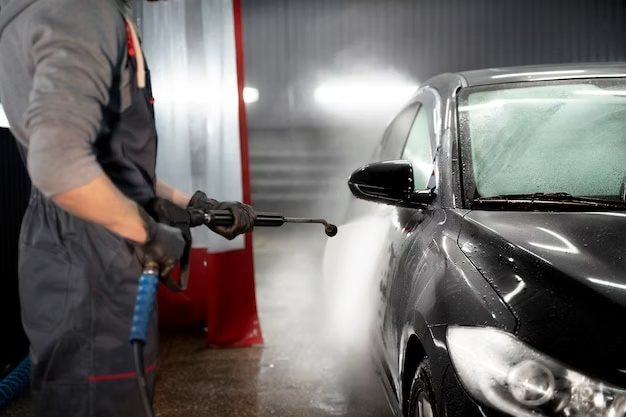
If you just bought an EV in Vancouver and you’re staring out the window at that never‑ending drizzle thinking, “Is this paint going to survive?”, you’re not being dramatic. Coastal rain is sneaky. It looks gentle. It’s not.
Between salt‑laden air from the inlet, gritty road film, and that gross black slush that shows up every winter, your clear coat takes a beating. EVs aren’t magically tougher either, if anything, some popular models (hi, Tesla) have fairly soft paint that shows abuse early.
Why Rainy Coastal Cities Are Brutal on EV Paint
Let’s clear up one myth right away: rain doesn’t wash your car for you. It just relocates the grime.
Here’s what’s actually happening in places like Vancouver, Victoria, Seattle, or North Van near the water:
- Constant moisture – Water sits in seams, badges, the charge port area, and under trim. That trapped moisture mixes with dirt and pollutants and slowly chews at the clear coat.
- Salt in the air – Anywhere near the seawall, bridges, or marinas, you’ve got salt spray floating around. It dries on the paint and starts to etch if you leave it.
- Road film and winter “soup” – That grey film on your doors and hatch? It’s a mix of mud, fine sand, de‑icer, oil, and brake dust. It’s like rubbing compound in the worst way.
- Acidic contaminants – Bird droppings, tree sap, and industrial fallout don’t care that you drive an EV. Leave them on long enough in a wet climate and they will mark the paint.
So when you think, “It rains all winter, I’m fine,” you’re basically letting the damage marinate. Soft, dark EV paints show this fastest, swirls, haze, and etched spots on the hood and roof.
What Makes EV Paint a Bit Different
Most modern EVs don’t use alien paint technology. They still have base coat + clear coat. But there are a couple of quirks you should know.
- Softer clear coats on some brands – Teslas especially are notorious for being easy to swirl. Wipe the car with a dirty cloth once and you’ll see it under sunlight.
- High‑impact front ends – Big, smooth bumpers with no grille openings take every pebble and chunk of sand right in the face. Drive the Sea‑to‑Sky much? You know.
- Tricky areas – Charge port doors, recessed door handles, and hatch openings get nicked, scuffed, and dragged by cables and bags constantly.
The upshot? You don’t need race‑car levels of protection. You just need something built for constant wet, grit, and salt, especially on an EV you actually drive daily.
Wax, Sealant, Ceramic, PPF… What Actually Makes Sense in Vancouver?
This is where most owners get overwhelmed and end up doing nothing. Too many choices, too much jargon.
Let’s strip it down.
1. Old‑School Wax
Think of wax as a short‑term rain jacket you have to keep reapplying.
- Lasts: 1–2 months at best in a rainy climate.
- Pros: Cheap, DIY‑friendly, adds some gloss and slickness.
- Cons: Washes off quickly with repeated storms, road film, and winter washes.
On a city EV in Vancouver that sees winter roads and regular use, wax is “better than nothing,” but it’s constant work.
2. Synthetic Sealants
Sealants are the slightly smarter version of wax, more durable, more modern chemistry.
- Lasts: 3–6 months in real coastal use.
- Pros: More durable, decent water beading, easy DIY on a free weekend.
- Cons: Still a cycle of apply – wash – reapply. You’ll be doing this two or three times a year if you want consistent protection.
If your budget is tight and you don’t mind some effort, a good sealant plus a careful wash routine is workable.
3. Ceramic Coating
This is where EV owners in rainy, coastal cities usually get the best balance of sanity, protection, and time saved.
- What it is: A liquid that bonds to your clear coat and cures into a hard, hydrophobic layer. Think long‑term rain jacket baked onto the paint.
- Benefits in Vancouver:
- Water beads and sheets off quickly, so the car doesn’t stay soaked as long.
- Road film and winter grime don’t stick as aggressively.
- Better resistance to bird droppings, tree sap, and light chemical staining.
- Wash time drops because dirt comes off easier.
Professional‑grade systems, things like CQuartz Professional, Gtechniq Crystal Serum Ultra, graphene and self‑healing coatings, change the day‑to‑day experience of owning a car in a wet climate. DIY coatings exist, but they’re more finicky to apply and don’t offer the same depth, durability, or warranties.
If you’d rather hand the science and the prep to people who live and breathe this stuff, a Vancouver shop like Gleamworks Detailing focuses specifically on ceramic coating and paint protection in this exact climate. That kind of local, climate‑tuned experience matters more than marketing buzzwords.
4. Paint Protection Film (PPF)
PPF is the “body armor” option.
- What it is: A clear, thick polyurethane film applied to the paint. Many films are self‑healing, light scratches disappear with heat.
- What it does:
- Shields against rock chips, sand blasting, and bigger debris.
- Takes the abuse on high‑impact areas so the paint doesn’t have to.
- Can be combined with ceramic coating on top for easier cleaning.
In Vancouver and the Lower Mainland, PPF earns its keep on front bumpers, hoods, mirrors, rocker panels, and the area behind the wheels. If you’re driving Highway 1, the Ironworkers, or the Sea‑to‑Sky regularly, full‑front PPF on a nice EV stops that depressing peppered look on the nose of the car.
Good / Better / Best Protection Setups for a Coastal EV
There’s no single “correct” setup. You match protection to how you actually use the car, where you park, and how long you plan to keep it.
Scenario 1: City EV, Parked Underground, Light Driving
You’ve got an underground parkade, you mostly commute inside the city, and you’re not hammering it up the Coquihalla.
- Good: Regular hand washes + sealant every 3–4 months.
- Better: One‑time professional ceramic coating on the paint and wheels.
- Best: Ceramic coating + small pieces of PPF on door edges, charge port area, and hatch bumper lip to catch scuffs.
Scenario 2: Street‑Parked Near the Ocean
Think Kits, Coal Harbour, Lonsdale, White Rock. Constant salt air, seagulls, trees, and rain.
- Good: Meticulous wash routine every 2–3 weeks, quick sealant every few months.
- Better: Ceramic coating on paint and glass for easier cleaning and faster drying.
- Best: Ceramic coating + PPF on front end, rocker panels, and hatch area; scheduled professional maintenance details before and after winter.
Scenario 3: Highway Warrior / Sea‑to‑Sky Regular
You’re doing Vancouver–Squamish–Whistler, Chilliwack runs, or long coastal drives constantly.
- Good: Frequent washes, sealant, and plan mentally to accept rock chips.
- Better: Full‑front PPF (bumper, hood, fenders, mirrors) + ceramic coating on the rest.
- Best: Extended PPF (front + rocker panels + lower doors) + ceramic coating over everything, including wheels and glass.
Think of it this way: ceramic makes cleaning easier and guards against chemical and environmental staining; PPF physically takes the hits. When you drive in coastal winter mess, you want both types of protection where they matter most.
How to Actually Wash an EV in a Rainy Coastal Climate
You can absolutely wreck nice paint with “quick” washes. Vancouver’s rain gives you the illusion you’re rinsing things off. Then the sun finally shows up and you see spiderwebs everywhere.
Here’s a simple, realistic wash routine you can run with, even in a condo building.
1. Frequency
- Peak rainy/winter season: Every 2–3 weeks minimum, more often if you’re hitting salted roads or your car is white or black.
- Dryer months: Every 3–4 weeks, plus a deeper clean/Decontamination before and after winter.
If your EV is coated, you can stretch a bit, but don’t pretend three months of salty slush is “fine.” It’s not.
2. Safe Wash Technique (Without Going Full Obsessed Detailer)
- Strong pre‑rinse
Blast as much loose grime off as possible first. Touching dry, gritty paint with a mitt is how you create swirls. - Foam or pre‑wash
If you’ve got access to a foam cannon or pump sprayer, hit the car with a pH‑neutral shampoo mix, let it dwell for a few minutes, then rinse. This softens that coastal film. - Two‑bucket wash
One bucket with soapy water, one with clean water to rinse your mitt. Work from top to bottom, rinsing the mitt after each small section. Roof and glass first, nasty lower doors and bumpers last. - Good drying technique
Use a clean, plush drying towel or a blower. Don’t scrub the paint with a rough chamois or some random old bath towel.
Automatic brush washes? Hard pass, especially on soft EV clear coat. Touchless is less damaging, but you’ll still want to hand wash periodically to stop film build‑up.
3. Products to Stick With
- pH‑neutral shampoo – Safe for coatings, sealants, and PPF.
- Ceramic‑safe quick detailer or drying aid – Adds slickness and minor protection after each wash.
- Dedicated wheel cleaner – EVs don’t dust like performance gas cars, but wheels still collect grime in coastal muck.
Skip the harsh degreasers, “all‑purpose” cleaners on paint, and anything that smells like it should be stripping a driveway. Those will eat away at whatever protection you’ve paid for.
Where Ceramic Coating Shines in a City Like Vancouver
Ceramic isn’t magic. It won’t make the car immune to scratches, parking lot damage, or rock chips. But in a wet, salty environment, it changes the daily grind of ownership.
On an EV, a solid ceramic job does a few specific things really well:
- Makes rain your friend again – Water beads and sheets off instead of clinging in dirty sheets. The car stays cleaner between washes.
- Buys you time – If a bird nails your hood or a tree drips sap overnight in Kitsilano, you have a better window to clean it before it etches.
- Preserves the “new” look – Especially on dark colours, it keeps that deep gloss from going cloudy and scratched within the first couple of winters.
- Simplifies maintenance – You spend less time scrubbing and more time doing a quick wash and dry. Helpful if your “wash bay” is a tight condo parkade.
Professional installers in Vancouver also understand the curing challenges in a damp climate. Coatings don’t love high humidity while they’re setting. A proper shop is going to have a controlled environment, lighting that actually shows all the defects, and a system that’s matched to the conditions, not just whatever was on sale online.
PPF: Where It’s Non‑Negotiable on an EV
Ceramic is for chemical and ease‑of‑cleaning protection. PPF is what keeps rocks from turning your bumper into a lunar surface.
High‑impact spots on most EVs around Vancouver:
- Front bumper and lower grille area
- Full hood and front fenders
- Mirror caps
- Rocker panels and lower doors (especially on crossovers and SUVs)
- Rear bumper top edge where bags, bikes, and strollers hit
- Charge port surround if you’re less than graceful with the cable
For Vancouver conditions:
- Full‑front PPF is a very sensible baseline on a Tesla Model 3/Y, Polestar, Ioniq 5, etc.
- Extended PPF on rocker panels and lower doors helps a ton if you do highway or mountain driving.
- PPF + ceramic on top gives you both impact resistance and hassle‑free cleaning.
Self‑healing films are especially nice in a rainy city. Light swirling from washing or random contact can literally disappear when the film warms up in the sun or with warm water.
Daily Habits That Quietly Save Your Paint
Big protection packages matter, but small habits stack up fast. A few quick ones that make a difference in Vancouver and other coastal spots:
- Rinse after coastal drives – If you’ve been parked near the seawall or hammered through salty slush, at least hit the car with a strong rinse within a day or two.
- Wipe bird droppings ASAP – Keep a small spray bottle of water or quick detailer and a soft microfiber in the trunk. Handle the mess, don’t “deal with it on the weekend.”
- Be gentle around the charge port – Don’t let the cable drag against the quarter panel or bumper every night. That’s how you build up ugly scuffs.
- Avoid cheap covers – Flimsy covers that flap in coastal wind can do more damage than just leaving the car bare.
Tiny changes, boring habits, big payoff two or three winters down the line when your paint still looks like you care.
What About Cost vs Value?
Here’s the blunt version.
- DIY wax/sealant path – Lowest cash outlay, highest time cost, and your paint will still age faster, especially parked outside near the water.
- Quality ceramic coating – Medium up‑front cost, low ongoing hassle, strong long‑term payoff on appearance and resale. Very solid choice for most EV owners keeping the car 3–5+ years.
- PPF + ceramic bundle – Highest up‑front cost, maximum protection, makes the most sense on premium EVs, high‑mileage highway cars, or if rock chips drive you insane.
Repainting front ends, doing multi‑stage paint correction every couple of years, or dealing with lease return penalties adds up quietly. Protection is one of those things that feels expensive up front, then feels boringly smart five years later when you’re selling or trading in.
Bottom Line: Build a Plan That Matches Your Real Life
You don’t need to baby your EV like a show car. You just need a setup that makes sense for a rainy coastal climate and the way you actually drive and park.
- Street‑parked near the ocean? Prioritize ceramic and more frequent washes; add PPF where the car takes the most abuse.
- Highway or mountain commuter? Get serious about PPF on the front and rockers, then coat the rest.
- Garage‑kept city runabout? Ceramic and a sane wash schedule might be all you ever need.
Protect the paint early, keep the wash process simple but careful, and don’t rely on Vancouver rain to do the job for you. Rain brings the problem; your protection plan decides whether your EV looks tired in two winters or still turns heads after five.