
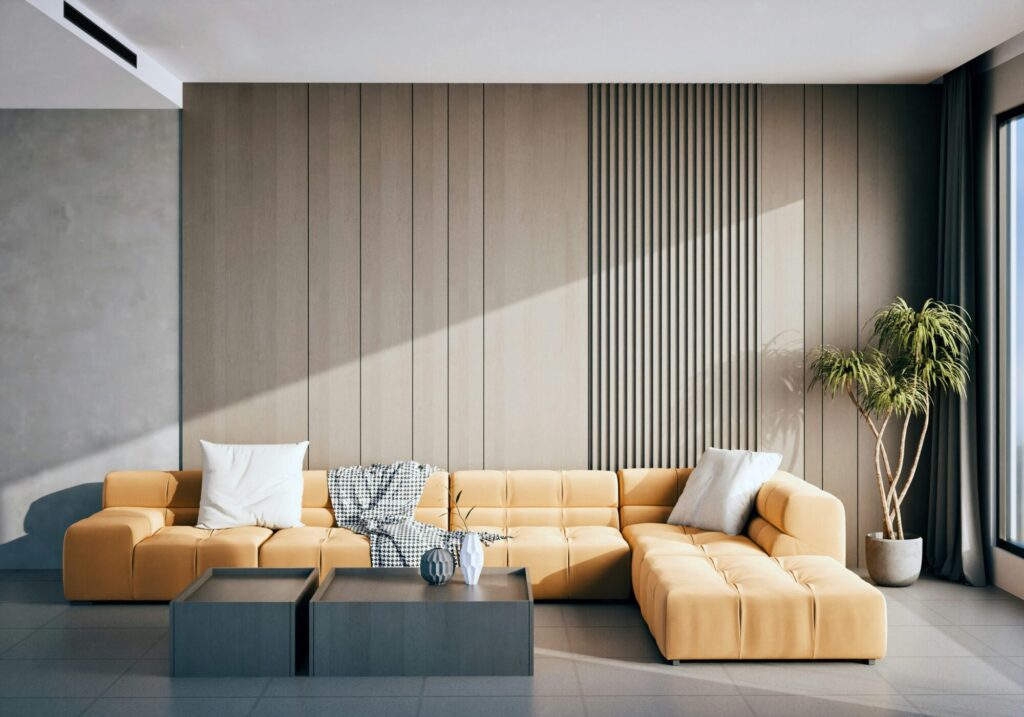
In interior design, achieving a cohesive and stylish space requires thoughtful planning and a keen eye for detail. Among the many tools available to designers and homeowners alike, decorative wall panels have become a go-to feature for adding texture, depth, and personality to interiors. However, to truly harness their potential, it’s essential to understand how to harmoniously blend wall panels with other decorative elements.
This guide will explain the best strategies for integrating decorative wall panels with complementary design features to create a unified, visually appealing environment.
-
Understand the Role of Decorative Wall Panels
Before diving into combinations, it’s crucial to understand what decorative wall panels bring to the table:
- Texture and dimension: They break up the monotony of flat walls, adding physical and visual texture.
- Style definition: From rustic wood to sleek 3D panels, they set the tone for the space.
- Functionality: Some panels offer acoustic benefits or hide imperfections in walls.
With this in mind, you can begin exploring how to pair them with other elements effectively.
-
Establish a Unified Color Palette
A cohesive design always begins with a well-thought-out color scheme. When incorporating decorative wall panels, consider the following:
Match or Complement Colors
- Choose panels that echo tones already present in your furniture, rugs, or art.
- If your panels are a bold color, balance them with neutral accessories elsewhere in the room.
Use Color Blocking
- For a more modern look, use wall panels in one color block, while using furniture or trim in contrasting or complementary tones.
- This technique adds energy while maintaining balance.
Example:
If you install navy blue felt panels, you might complement them with brass fixtures and soft beige upholstery to tie everything together without overwhelming the senses.
-
Coordinate with Furniture Styles
The type and style of furniture in your space should influence your panel choice—and vice versa.
Matching Themes
- Rustic wood panels go best with farmhouse, industrial, or traditional furniture.
- Glossy geometric panels align with modern, minimalist, or glam aesthetics.
Harmonious Proportions
- If the panels are intricate or have a heavy visual presence, pair them with streamlined furniture to avoid a cluttered look.
- Conversely, simple panels allow for more expressive furniture choices.
By keeping both elements in stylistic sync, your space will feel curated, not chaotic.
-
Layer with Lighting
Lighting is a key player in highlighting and enhancing decorative wall panels.
Accent Lighting
- Use LED strip lights above or below panels to emphasize texture or depth.
- Spotlights or wall-mounted sconces can draw attention to specific sections of the paneling.
Natural Light Considerations
- Light-colored panels amplify natural light, making spaces feel bigger.
- Dark panels can create a cozy mood, but should be balanced with ample light sources.
Bonus Tip:
Metallic or glossy panels reflect light beautifully—consider these in spaces where you want to maximize brightness.
-
Mix with Wall Art Thoughtfully
One common design mistake is competing visual elements. If you plan to use wall art with your decorative wall panels, follow these rules:
Less is More
- Allow the panels to act as art, especially if they have strong patterns or 3D textures.
- In such cases, limit wall art to adjacent blank walls or choose small, simple pieces.
Strategic Placement
- Position framed art inside panel recesses for a built-in look.
- Use contrasting materials (e.g., metal or glass art against wood panels) for dynamic contrast.
This thoughtful integration will ensure visual cohesion and maintain design integrity.
-
Use Panels to Define Zones
In open-plan layouts, decorative wall panels can act as visual anchors that define different areas:
- Use wood slats or fabric panels behind a sofa to mark the living room zone.
- Install 3D panels behind a dining table to create a focal dining nook.
Pair these panels with rugs, pendant lights, or ceiling treatments in the same area to further reinforce the spatial division.
-
Coordinate with Ceiling and Floor Treatments
While walls are vital, true cohesion comes from aligning all surfaces:
Ceiling Integration
- Extend vertical panel lines into ceiling beams or coffered patterns.
- Use matching materials or stains on both wall panels and ceiling accents for unity.
Floor Echoes
- Reflect wood tones or finishes from your panels in your flooring material.
- Use area rugs that pick up on the color or pattern of the panels for subtle harmony.
A holistic approach across surfaces will elevate your design from “well-decorated” to “professionally designed.”
-
Add Texture with Fabrics and Textiles
To prevent your decorative wall panels from dominating the room, balance them with soft furnishings:
Upholstery
- Choose fabric colors that either contrast boldly or align softly with the wall panels.
- Velvet or leather can offset the hardness of wooden or PVC wall panels.
Curtains and Drapes
- In rooms with fabric wall panels, keep window treatments minimal.
- For wood or hard-surface panels, use heavier drapes to add warmth and softness.
Balancing hard and soft materials will create a tactile and inviting environment.
-
Combine with Functional Decor
Style doesn’t have to come at the expense of function. Use decorative wall panels as part of practical decor features:
- Install floating shelves over flat panel walls for layered styling.
- Use panels as a backdrop for a TV, fireplace, or headboard for visual impact.
- In offices or studies, choose acoustic wall panels to combine form with function.
When decorative choices serve a dual purpose, cohesion and practicality meet seamlessly.
-
Consider Scale and Proportion
Always evaluate how your panel installation affects the sense of scale in the room.
- Large panels make a bold statement and are best suited for spacious areas.
- Narrow or vertically oriented panels can make a room appear taller.
- Mixing panel heights or patterns requires careful planning to avoid overwhelming the space.
When in doubt, sketch or use a 3D visualization tool to preview the design.
Cohesion Is in the Details
Decorative wall panels are powerful design elements, but they shine best when used in harmony with other features. From furniture and lighting to flooring and artwork, every piece should be chosen with balance in mind. The goal is to create a space that feels intentional, not incidental.
By following the strategies outlined above—matching color palettes, aligning textures, layering with lighting, and respecting scale—you’ll be well on your way to designing an interior that’s not just beautiful, but cohesive and deeply personalized.
Whether you’re revamping a single room or undertaking a full renovation, let your decorative wall panels anchor a design that feels both curated and complete.