
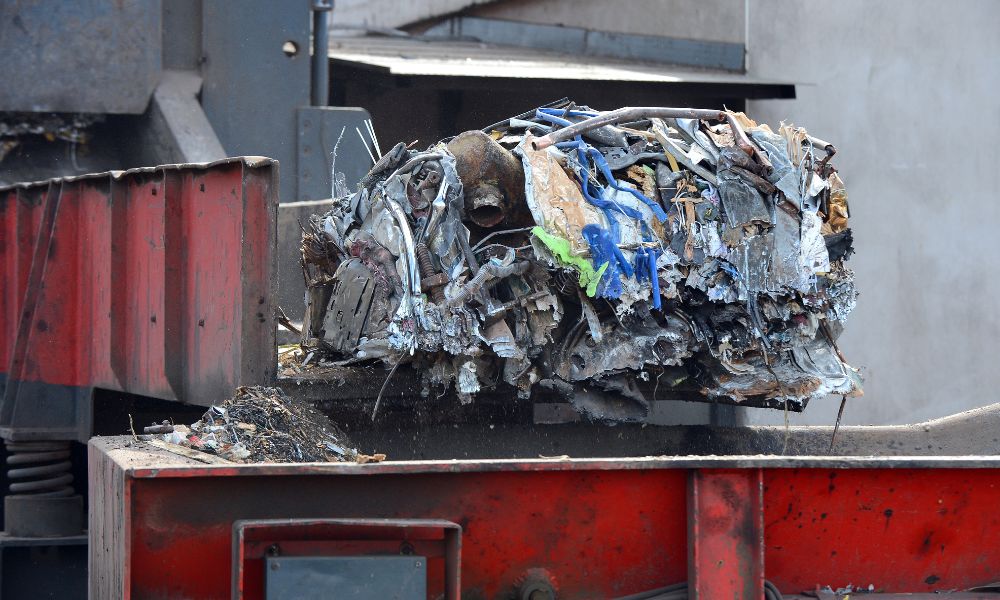
In today’s competitive marketplace, businesses are under increasing pressure to reduce operational costs, enhance sustainability practices, and maintain clean, safe premises. One often-overlooked tool that can help achieve these goals is a trash compactor. Whether you run a small retail store or manage a large industrial facility, the right trash compactor can drastically improve your waste management system. But with so many options available, how do you know which one suits your business best?
This guide will help you navigate the different types of trash compactors, identify what features to look for, and understand how business size and waste type affect your purchasing decision.
Understanding What a Trash Compactor Does
A trash compactor is a machine that compresses waste materials to reduce their volume. This has several benefits:
- Reduced waste hauling costs: Fewer pickups mean lower expenses.
- Improved hygiene and safety: Sealed compactors reduce odor or pest issues.
- Eco-friendly waste management: More efficient waste disposal lowers your the carbon footprint.
But not all compactors are created equal. The right model for a small café won’t be suitable for a manufacturing facility. Understanding your needs is the first step.
Step 1: Analyze Your Business Size
Business size isn’t just about square footage—it includes factors such as:
- Number of employees
- Daily customer traffic
- Frequency and volume of waste generated
Let’s break this down by business type:
Small Businesses (Retail Stores, Coffee Shops, Small Offices)
These businesses usually produce low to the moderate volumes of the waste. In such cases, a small stationary trash compactor or a vertical compactor may suffice. These units are affordable, easy to operate, and can fit into tight spaces.
Best choices:
- Vertical compactors
- Under-the-counter compactors
Benefits:
- Low initial investment
- Saves space
- Easy to maintain
Medium-Sized Businesses (Grocery Stores, Medium Offices, Small Warehouses)
With a higher volume of waste, medium-sized businesses should look for compactors with larger capacity and more power. These businesses might deal with both recyclable and non-recyclable materials, requiring a more versatile solution.
Best choices:
- Front-load compactors
- Stationary compactors
Benefits:
- Handles mixed waste types
- Reduces the frequency of waste collection
- Provides better compaction ratio
Large Enterprises (Manufacturing Plants, Distribution Centers, Large Retail Chains)
High waste output and specific types of industrial waste require heavy-duty machines. A large business should consider an industrial-grade compactor tailored to their specific waste stream.
Best choices:
- Self-contained compactors
- Auger compactors
- Pre-crusher compactors
Benefits:
- Maximum volume reduction
- Can handle wet and bulky materials
- Customizable features for high-throughput needs
Step 2: Understand Your Waste Type
The type of waste your business generates is just as important as how much of it you produce. Waste can be broadly categorized into:
Dry Waste
This includes paper, cardboard, plastics, and other packaging materials. Dry waste is common in offices, retail stores, and commercial establishments.
Recommended compactors:
- Vertical compactors
- Stationary compactors
Wet Waste
Found mostly in food-related businesses like restaurants, cafeterias, and grocery stores, wet waste includes organic materials, liquids, and semi-liquids. These require compactors that are sealed to prevent leakage and odor.
Recommended compactors:
- Self-contained compactors
Industrial Waste
Factories and manufacturing facilities often produce bulky, heavy waste such as wood pallets, metal shavings, and large packaging materials.
Recommended compactors:
- Pre-crusher compactors
- Auger compactors
Step 3: Evaluate Key Features
Once you’ve identified your business size and waste type, the next step is to evaluate features that will enhance the performance and usability of your trash compactor.
- Compaction Ratio
This determines how much your waste is reduced in volume. Higher ratios mean more savings in hauling and landfill fees.
- Size and Space Requirements
Ensure the compactor fits your available space. Some models are designed to operate in confined spaces without sacrificing capacity.
- Loading Method
Consider whether your team will load waste manually or use machinery. Hopper designs, chute systems, and hydraulic lifts can make loading more efficient.
- Safety Features
Look for models with interlock systems, emergency stop buttons, and automatic shut-offs to protect your employees.
- Odor and Pest Control
Especially important for food service businesses. Some compactors offer deodorizing systems or are built to seal tightly against pests.
- Ease of Maintenance
Choose a model that’s easy to clean and maintain. Some units offer automatic cleaning systems and remote monitoring for predictive maintenance.
Step 4: Consider Environmental Impact
Sustainability is no longer optional for most businesses. Many municipalities now have regulations around waste disposal, especially regarding recyclables and hazardous waste.
Eco-friendly benefits of trash compactors:
- Encourages recycling by separating materials
- Reduces carbon emissions from fewer waste hauls
- Minimizes landfill impact
Choosing the right trash compactor supports your corporate social responsibility (CSR) goals and can improve your brand’s reputation.
Step 5: Cost Considerations
A trash compactor is an investment. Here’s how to think about cost:
- Upfront cost vs. long-term savings: Higher-end models may save more over time through reduced hauls and downtime.
- Maintenance and service contracts: Regular maintenance can extend lifespan and prevent costly repairs.
- Leasing vs. buying: Leasing might be ideal for small or growing businesses.
Be sure to ask for a total cost of ownership (TCO) estimate before making a final decision.
Step 6: Consult with a Waste Management Expert
Choosing the right trash compactor isn’t a one-size-fits-all decision. Consulting with a specialist can help you:
- Conduct a waste audit
- Estimate ROI
- Customize a solution specific to your industry and business model
Some providers offer trial periods or site visits to help you make an informed choice.
Conclusion
Investing in a trash compactor tailored to your business size and waste type can lead to substantial cost savings, improved hygiene, and a smaller environmental footprint. Whether you’re managing a bustling restaurant or a large industrial operation, understanding your waste profile and operational needs is key to selecting the right solution.
Start by analyzing your business size and waste type, then consider the features that will bring the most value to your organization. With the right trash compactor in place, you’ll streamline your waste management, enhance workplace safety, and contribute to a greener planet.