
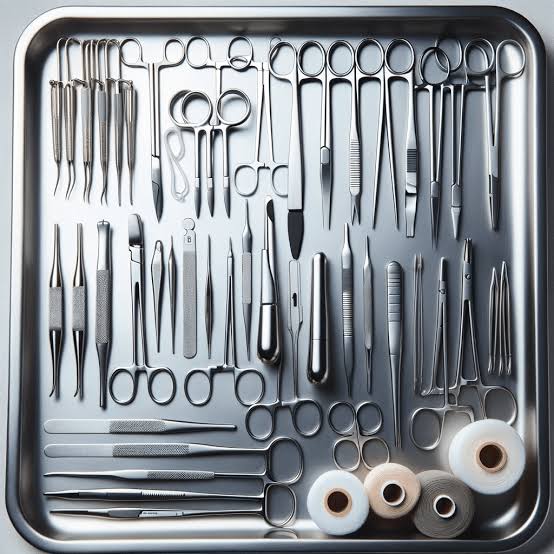
Choose a Reliable Cosmetic and Plastic Surgery Instruments Manufacturer
Choosing the right cosmetic surgery instruments manufacturer requires evaluating product quality, manufacturing experience, certifications, and precision engineering.
A trusted supplier provides surgical instruments designed for accuracy, durability, patient safety, and consistent performance during specialized procedures.
Look for ISO 13485 certification, applicable CE marking, medical-grade stainless steel, and reliable quality control systems.
HelrexSurgical offers professional surgical instruments with a focus on manufacturing quality and international industry standards.
Verify Medical Device Certifications and Quality Standards
Professional surgical instrument manufacturers should maintain recognized certifications that demonstrate their commitment to regulated medical device production.
ISO 13485 establishes quality management requirements, while CE marking indicates conformity with applicable European medical device regulations.
Buyers should verify certificates, product documentation, manufacturing procedures, and the scope of regulatory approvals before placing orders.
These checks help hospitals, cosmetic surgery clinics, and medical distributors select suppliers that meet their purchasing requirements.
Examine Stainless Steel Materials and Manufacturing Precision
Medical-grade stainless steel plays an essential role in producing durable, corrosion-resistant, and reliable plastic surgery instruments.
Helrexsurgical Use materials such as AISI 420 and AISI 316L according to instrument design and performance requirements.
Precision machining, proper heat treatment, smooth polishing, and accurate alignment contribute to dependable surgical instrument functionality.
Well-manufactured forceps, scissors, retractors, and needle holders help surgeons maintain control during delicate tissue procedures.
Evaluate the Available Cosmetic and Plastic Surgery Instruments
A professional supplier should provide a comprehensive range of instruments for aesthetic surgery, reconstructive procedures, and specialized operations.
Essential products include rhinoplasty instruments, liposuction cannulas, facelift scissors, surgical retractors, tissue forceps, and needle holders.
Each instrument requires appropriate dimensions, functional design, balanced handling, and consistent manufacturing quality for its intended application.
A diverse product range helps hospitals and medical equipment distributors source multiple surgical instruments from one manufacturer.
Look for Custom Surgical Instrument Manufacturing Services
Customization allows plastic surgeons and medical distributors to select instruments that match specific clinical and business requirements.
An experienced OEM surgical instruments manufacturer should understand technical specifications, dimensional tolerances, and specialized design requests.
Available options may include custom instrument lengths, handle designs, tip configurations, private labeling, and branded packaging.
Before placing wholesale orders, buyers should review product samples and confirm that requested specifications meet their expectations.
Assess Quality Control and Surgical Instrument Testing
Quality control is essential for maintaining surgical instrument precision, structural integrity, and consistent performance throughout production.
Manufacturers should inspect blade sharpness, jaw alignment, surface finishing, joint movement, and dimensional accuracy before product approval.
Testing procedures may also evaluate corrosion resistance, material properties, and compatibility with specified cleaning and sterilization processes.
Experienced purchasing teams often examine samples and manufacturing records to identify potential quality concerns before bulk procurement.
Compare Wholesale Pricing and International Supply Capabilities
Choosing a surgical instruments supplier requires balancing competitive wholesale pricing with dependable product quality and delivery services.
Consider minimum order quantities (MOQ), production capacity, lead times, packaging specifications, and international shipping arrangements.
Manufacturers should provide clear quotations, product documentation, payment terms, and practical communication throughout the purchasing process.
Reliable supply management helps cosmetic surgery clinics and medical distributors maintain inventory and avoid unnecessary procurement delays.
Establish a Long-Term Partnership With a Professional Manufacturer
A successful manufacturing partnership depends on consistent product specifications, transparent communication, and dependable after-sales support.
Buyers should prioritize manufacturers that understand the technical requirements of aesthetic surgery and reconstructive surgical procedures.
Helrex Surgical Industry emphasizes professional manufacturing practices, quality standards, and dependable relationships with medical equipment buyers.
Before selecting a supplier, request product catalogs, sample availability, certification documents, and details about customization services.
The right manufacturing partner supports long-term purchasing confidence through precision instruments, consistent quality, and reliable customer service.
Check Sterilization Compatibility and Instrument Maintenance Requirements
High-quality plastic surgery instruments should withstand repeated cleaning, disinfection, and sterilization without compromising their intended performance or structural integrity.
Manufacturers should provide validated reprocessing instructions covering appropriate sterilization methods, cleaning procedures, and recommended instrument maintenance practices.
Reusable surgical scissors, forceps, and retractors require corrosion-resistant surfaces and designs that support thorough cleaning between procedures.
Buyers should also examine instrument inspection guidelines, storage recommendations, and maintenance requirements before making purchasing decisions.
Proper instrument care supports operational efficiency and helps healthcare facilities maintain consistent surgical equipment performance over time.
Evaluate Manufacturer Experience and Customer Support Services
An experienced cosmetic surgery instruments supplier understands the purchasing requirements of hospitals, plastic surgeons, and international medical distributors.
Review the manufacturer’s industry experience, technical knowledge, customer feedback, and ability to handle specialized surgical instrument orders.
Reliable suppliers provide detailed product specifications, responsive communication, transparent production updates, and practical assistance with technical inquiries.
Professional after-sales support should include clear warranty conditions, replacement procedures, and assistance with manufacturing-related product concerns.
Choosing a knowledgeable manufacturer strengthens procurement relationships and supports consistent access to dependable surgical instruments for professional applications.