
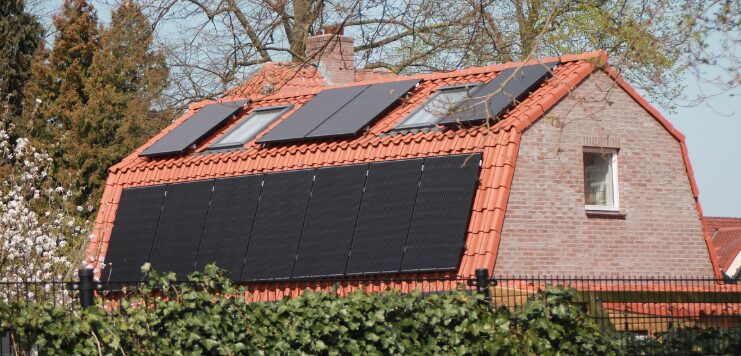
Thinking about going solar? It’s one of the smartest investments homeowners can make, but the big question is: Is it worth it financially?
The return on investment (ROI) of residential solar panels depends on several factors, from installation costs to energy savings and tax incentives. In this guide, we’ll break it all down so you can see how much you could actually save over time.
One of the first steps to determining your potential ROI is understanding the initial investment and long-term benefits. That’s where direct solar services can help.
They provide expert guidance on system design, financing options, and installation to ensure you maximize savings right from the start.
Understanding the Initial Costs
Before you can calculate ROI, you need to know how much you’re spending upfront. Here are the primary costs to consider:
- Solar Panels & Equipment: The heart of your system, including inverters, batteries (if applicable), and mounting hardware.
- Installation Costs: Labor, permits, and inspections can add to the total.
- Grid Connection Fees: If you’re staying connected to the power grid, utility companies may charge a fee.
- Maintenance Costs: While minimal, occasional panel cleaning and inverter replacements should be factored in.
A standard residential solar system in the U.S. costs between $15,000 to $25,000 before incentives.
Energy Savings: The Biggest ROI Factor
Once your system is up and running, your utility bill savings begin. Here’s what impacts those savings:
- Sunlight Availability: The more sun your location gets, the more energy your system generates.
- Electricity Rates: Higher energy costs mean greater savings when switching to solar.
- Net Metering: If your local utility allows net metering, you can sell excess energy back to the grid, reducing your bill even further.
On average, homeowners save $1,000 to $2,000 per year on electricity bills with solar panels.
Incentives & Tax Credits
Government incentives can significantly boost your ROI. Here are a few key ones to check out:
- Federal Solar Tax Credit (ITC): Allows homeowners to deduct 30% of their solar installation costs from their federal taxes.
- State & Local Incentives: Many states offer additional rebates and credits.
- Solar Renewable Energy Certificates (SRECs): In some areas, homeowners can earn money by selling SRECs to utility companies.
These incentives can cut installation costs by thousands, making solar even more affordable.
Payback Period: When Will Solar Panels Pay for Themselves?
The payback period is the time it takes for your energy savings to equal your initial investment. The formula is simple:
Payback Period = Total System Cost / Annual Energy Savings
Example: If your system costs $18,000 and you save $1,500 per year, your payback period would be 12 years. After this point, all energy savings are pure profit!
Most homeowners break even within 6 to 12 years, depending on location and energy consumption.
Long-Term ROI: What Happens After the Payback Period?
Once your system has paid for itself, the savings don’t stop. Most solar panels last 25+ years, meaning at least a decade or more of free electricity after your initial investment is recouped. If your system saves you $1,500 per year, that’s a total lifetime savings of $22,500+ after payback!
Increasing Your Solar ROI
Want to maximize your ROI? Here are some extra tips:
- Choose High-Efficiency Panels: More efficient panels generate more electricity over time.
- Optimize Your Energy Usage: Run appliances during peak sunlight hours.
- Maintain Your System: Keep panels clean and ensure your inverter is functioning properly.
- Use Battery Storage: Store excess energy for nighttime use or during power outages.
Is Solar Right for You?
Solar energy isn’t just about sustainability—it’s a solid financial investment. By calculating your initial costs, factoring in incentives, and estimating long-term savings, you can determine if it’s the right choice for your home.
Want to explore your solar options? Start by designing your system today and see how much you can save in the long run!