
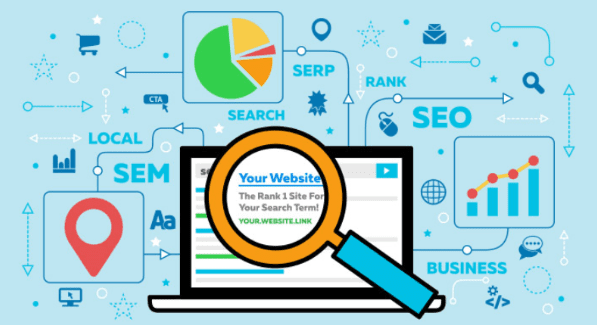
Search engine optimization (SEO) is the backbone of online visibility. Whether you run a blog, an eCommerce store, or a business website, understanding How to analyze a website for SEO is essential to improve rankings, attract organic traffic, and stay ahead of competitors. A proper website analysis helps identify strengths, weaknesses, and opportunities for optimization. With the right website analysis tool and a reliable free SEO audit, even beginners can uncover valuable insights.
This guide explains step-by-step how to analyze a website for SEO, what tools to use, and how free SEO audits can transform your digital strategy.
Why Website SEO Analysis Is Important
SEO analysis is the process of evaluating a website’s performance in search engines. It helps determine why a site is ranking well—or failing to rank at all. Regular SEO analysis allows you to:
- Identify technical issues affecting search visibility
- Improve on-page content and keyword usage
- Optimize site speed and mobile usability
- Strengthen backlink profiles
- Stay aligned with search engine algorithm updates
Without analysis, SEO becomes guesswork. A data-driven approach ensures consistent growth and long-term success.
How to Analyze a Website for SEO Step by Step
Understanding how to analyze a website for SEO requires breaking the process into manageable areas. Below are the most critical components.
- Technical SEO Analysis
Technical SEO forms the foundation of a website’s performance. If search engines can’t crawl or index your site properly, rankings will suffer.
Key elements to check:
- Website crawlability and indexing
- XML sitemap and robots.txt file
- HTTPS security
- Broken links and 404 errors
- Core Web Vitals (loading speed, interactivity, visual stability)
A good website analysis tool can automatically detect technical problems and suggest fixes.
- On-Page SEO Evaluation
On-page SEO focuses on optimizing individual pages to rank for relevant keywords.
Analyze the following:
- Title tags and meta descriptions
- Header tags (H1, H2, H3)
- Keyword placement and density
- Image alt text
- Internal linking structure
Effective on-page optimization ensures search engines clearly understand your content and match it with user intent.
- Content Quality and Relevance
High-quality content is a major ranking factor. SEO analysis should examine whether your content is valuable, engaging, and aligned with search intent.
Ask yourself:
- Is the content original and informative?
- Does it answer user queries completely?
- Are keywords used naturally?
- Is content regularly updated?
Many free SEO audit tools include content analysis features to help improve readability and relevance.
- Keyword Performance Analysis
Keywords drive SEO success. Knowing how your website performs for target keywords is critical when learning how to analyze a website for SEO.
Check:
- Keyword rankings
- Search volume and competition
- Keyword cannibalization
- Missing keyword opportunities
A reliable website analysis tool will show which keywords bring traffic and which need optimization.
- Backlink Profile Assessment
Backlinks remain one of the strongest ranking factors. SEO analysis must evaluate both the quality and quantity of backlinks.
Important backlink metrics:
- Number of referring domains
- Authority of linking websites
- Spam or toxic links
- Anchor text distribution
Many free SEO audit platforms provide backlink overviews to help identify link-building opportunities.
- Mobile-Friendliness and User Experience
Google prioritizes mobile-first indexing, making mobile usability essential.
Analyze:
- Mobile responsiveness
- Page load time on mobile
- Navigation simplicity
- User engagement metrics
A website analysis tool can simulate mobile performance and highlight user experience issues affecting SEO.
Best Website Analysis Tools for SEO
Choosing the right website analysis tool simplifies the SEO auditing process. Some tools offer paid features, but many provide powerful free options.
Popular website analysis tools include:
- Google Search Console
- Google Analytics
- Ahrefs (limited free tools)
- SEMrush (free audit reports)
- Ubersuggest
- Screaming Frog (free version)
These tools provide insights into technical SEO, keywords, backlinks, and content performance.
Benefits of a Free SEO Audit
A free SEO audit is an excellent starting point for businesses and individuals who want to improve rankings without immediate investment.
Key benefits include:
- Identifying critical SEO errors
- Understanding website strengths and weaknesses
- Prioritizing optimization tasks
- Saving time and resources
- Creating an actionable SEO roadmap
Free SEO audits are especially useful for small businesses, startups, and website owners new to SEO.
How Often Should You Analyze Your Website for SEO?
SEO is not a one-time task. To stay competitive, experts recommend:
- Monthly SEO performance checks
- Quarterly technical audits
- Content audits every 6 months
- Backlink reviews after major campaigns
Regular analysis ensures your website adapts to algorithm changes and evolving user behavior.
Final Thoughts
Learning how to analyze a website for SEO is a crucial skill in today’s digital landscape. With the right website analysis tool and a comprehensive free SEO audit, you can uncover hidden issues, improve search rankings, and drive consistent organic traffic. SEO success depends on continuous monitoring, optimization, and adaptation.