
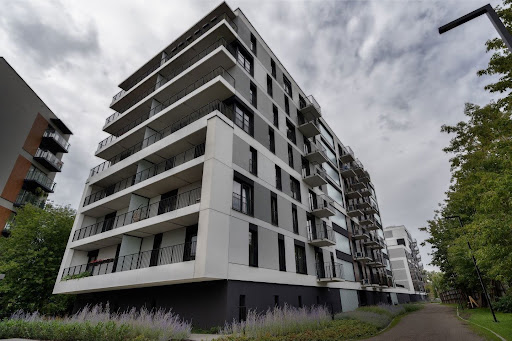
Managing property records and planning depreciation are becoming easier as technology changes the way cost segregation studies are carried out. For real estate investors, these developments offer a more practical way to understand property costs and make informed tax decisions.
If you own rental property, you already know how much information comes with managing a real estate investment. From purchase documents to renovation invoices, keeping everything organized can take time. Technology is now making it easier to bring these details together and use them when planning your depreciation strategy.
Why Property Data Now Matters
Every rental property has its own story and much of that story can be found in its records. When you look at a cost segregation study, details such as the property’s construction, improvements, invoices and individual components all help determine how its assets should be classified.
This is where technology can make a real difference. Rather than searching through filing cabinets or jumping between spreadsheets, you can keep property information in one searchable digital space. If you own several rental properties, having everything organized can save you considerable time when reviewing your investments.
Think about a multifamily building you’ve recently purchased. You may have construction plans, contractor invoices and records of improvements made over the years. When these documents are easy to find, your cost segregation specialist has a clearer picture of the property and can begin identifying assets that may qualify for different depreciation schedules.
Having these details ready can also help when you’re exploring cost segregation firms matched to depreciation goals and give you a better understanding of what’s happening. You can explain what you’re hoping to achieve, share relevant property information and have a more meaningful conversation about the study’s scope and potential benefits.
Connecting Records Across Investment Portfolios
Managing one rental property is different from managing five, ten or twenty. As your portfolio expands, keeping track of acquisition costs, improvements, depreciation schedules and property records becomes increasingly important.
Connected systems can help you bring these details together. By linking property management records with accounting information and cost segregation reports, you can get a clearer picture of how your investments are performing.
This can also make conversations with your CPA more straightforward. Instead of collecting documents from different places every time you review your tax position, you can access the information you need through a shared digital system.
If you’re comparing providers, a side-by-side comparison of cost segregation firms can help you understand what each one offers. Some firms may provide portfolio-level reporting, while others focus on detailed individual property studies. The right choice depends on how you manage your investments and what information you need to make decisions.
From Manual Files To Digital Workflows
Anyone who has dealt with property paperwork knows how quickly documents can pile up. A single apartment complex may have invoices for flooring, electrical work, plumbing, landscaping, appliances and countless other items.
Digital workflows are helping cost segregation professionals bring this information together. Document management tools can sort invoices, construction plans and depreciation schedules, making it easier to find the records needed during a study.
This can mean less time spent gathering paperwork and more time discussing your investment with the professionals handling your tax planning. Documents can also be shared between your cost segregation provider and CPA, helping everyone work with the same information.
Construction Technology Creates Better Inputs
Construction technology is also changing the way property information is recorded. Digital permitting systems, estimating platforms and construction-document tools can provide useful details about a building’s physical components.
If you’re developing a property or carrying out substantial renovations, these records can be particularly helpful. Plans, contractor invoices, material specifications and equipment schedules may all provide information that your cost segregation specialist can use.
For example, if you’re upgrading an apartment building, you may be able to track the costs of new flooring, lighting, cabinetry and landscaping through digital estimating tools.
For you, the practical takeaway is simple: keep construction and renovation records organized from the beginning. When the time comes for a cost segregation study, having these details readily available can make the process more efficient.
Choosing Technology Without Losing Judgment
Technology can make cost segregation studies easier to manage but the expertise behind the study remains just as important. When choosing a provider, you need to look beyond the software and consider the quality of the professional analysis.
A suitable firm should understand your investment objectives, work with your property records and communicate with your tax professional. Digital tools can help organize documents and support tax modeling but qualified specialists still need to review the engineering details and determine the appropriate tax classifications.
Technology is making it easier to manage the information behind cost segregation studies. When you combine organized property records with experienced professional guidance, you can gain a better understanding of your depreciation opportunities and make more informed decisions about your real estate investments.