
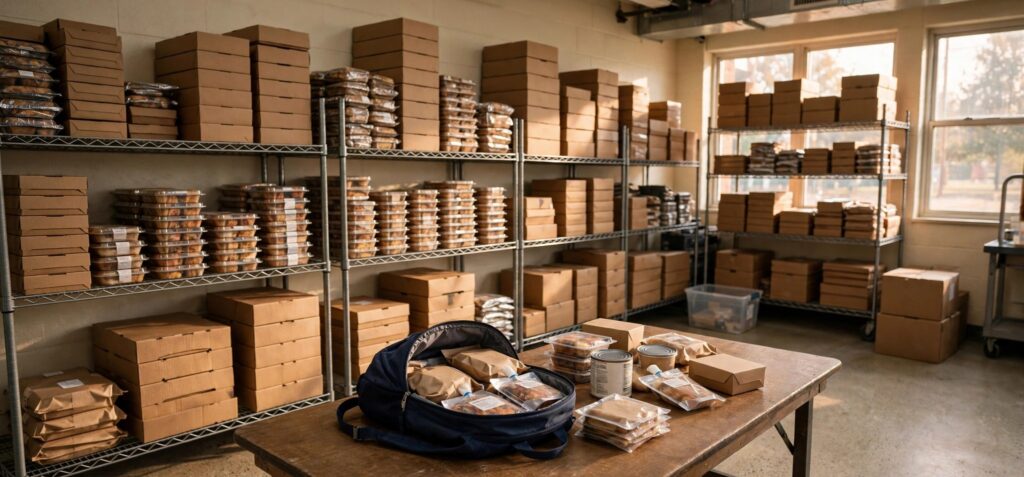
Providing nutritious food consistently is not always easy. Schools, community organizations, and food assistance programs often face challenges such as limited storage, tight budgets, staffing shortages, and unexpected emergencies. These situations can make it difficult to ensure everyone receives regular meals. Fortunately, shelf-stable food options offer a practical way to address these concerns.
From school breakfast programs to disaster relief efforts, prepackaged meals make food distribution simpler and more reliable. They require little preparation, have longer storage periods, and can be distributed when traditional food services are unavailable. Understanding their benefits can help organizations create more effective meal programs.
Why Are Shelf-Stable Meals Important for Schools?
Schools play an important role in providing children with nutritious food. For many students, school meals are an essential part of their daily diet. However, preparing and distributing fresh meals requires kitchen facilities, refrigeration, equipment, and trained staff.
Shelf Stable School Meals provide a convenient alternative for schools that want to maintain meal services without depending entirely on traditional kitchens. These prepackaged options can be stored at room temperature and distributed when needed.
Some important benefits include:
- Easy storage: Schools can keep meals in designated storage areas without requiring additional refrigeration.
- Less preparation: Many packaged meals are ready to serve, reducing the workload for cafeteria staff.
- Convenient distribution: Individual packaging makes it easier to distribute meals during breakfast, lunch, after-school, and summer programs.
- Flexible menu options: Schools can select different food combinations based on students' nutritional needs and preferences.
- Reduced food service challenges: Ready-to-serve options can help schools manage busy schedules and limited kitchen resources.
When selecting meals, schools should also consider applicable USDA nutrition and reimbursement requirements. Working with an experienced food service provider can make menu planning and compliance easier.
Supporting Students Beyond the School Day
Not every child has consistent access to nutritious meals outside school hours. Weekend food assistance programs help address this challenge by providing students with food they can take home.
Backpack programs are one example. Schools and community organizations distribute prepackaged food kits to children before the weekend or during school breaks. These kits provide convenient food options for families who may need additional assistance.
Shelf-stable products are particularly useful for these programs because they can be stored easily and transported without special equipment. Organizations can also customize meal selections to accommodate different age groups, dietary requirements, and food allergies.
By planning these programs carefully, schools can extend their support beyond regular classroom hours.
The Role of Emergency Meal Kits During Unexpected Situations
Natural disasters and severe weather can interrupt regular food services without warning. Hurricanes, floods, snowstorms, and power outages may prevent schools, food banks, and community organizations from operating normally.
This is where Emergency Meals Kits become valuable. These packages provide convenient food options that organizations can distribute when normal meal preparation and delivery services are disrupted.
Unlike traditional food supplies that may require refrigeration or cooking, many emergency meal options are designed for convenient storage and distribution. Depending on the selected products, they may be ready to eat without additional preparation.
Emergency meal kits can support several types of organizations:
- Schools: Schools can maintain access to meals when unexpected closures interrupt regular food programs.
- Food banks: Organizations can distribute packaged meals to individuals and families facing temporary food shortages.
- Senior care programs: Meal providers can prepare backup food supplies for older adults who depend on regular meal deliveries.
- Disaster relief organizations: Relief teams can distribute convenient food packages to affected communities.
- Government agencies: Public programs can maintain organized food distribution during emergencies.
Keeping an appropriate supply available allows organizations to respond more efficiently when unexpected situations arise.
What Should Organizations Consider When Choosing Meal Kits?
Not all packaged meals are suitable for every feeding program. Organizations should evaluate several factors before selecting a supplier or finalizing their menus.
1. Nutritional Requirements
Meals should provide appropriate food components and nutritional value for their intended recipients. Schools and government-funded programs must also consider applicable program guidelines and reimbursement requirements.
2. Storage and Shelf Life
Storage requirements are particularly important for organizations with limited facilities. Choosing products with a suitable shelf life can reduce frequent purchasing and make inventory management easier. Always follow product-specific storage instructions and expiration dates.
3. Dietary Preferences and Restrictions
Food allergies, religious preferences, and dietary requirements should be considered during menu planning. Options such as gluten-free, vegetarian, kosher, and low-sodium products can help organizations serve a wider range of people.
4. Packaging and Distribution
Individually packaged meals are easier to organize, transport, and distribute. Easy-open packaging can also make meals more accessible to children and older adults.
5. Budget and Quantity
Organizations should consider their enrollment numbers, available funding, and expected meal requirements. Bulk purchasing and customized orders may help simplify procurement and control costs.
Build a More Reliable Food Program With the Right Supplier
A dependable food supply is essential for schools, community organizations, and emergency assistance programs. Choosing suitable shelf-stable products can make meal distribution easier while reducing dependence on refrigeration, cooking facilities, and daily food preparation.
Packaged Meal Kit offers customizable food solutions for school feeding programs, backpack initiatives, senior meal services, and emergency food distribution. With options designed around different nutritional requirements and program needs, organizations can develop practical meal plans for the people they serve.
Whether preparing for an upcoming school term or developing a disaster response strategy, investing in appropriate packaged food supplies can make a meaningful difference. A well-planned meal program helps organizations remain prepared, organized, and ready to support their communities.