
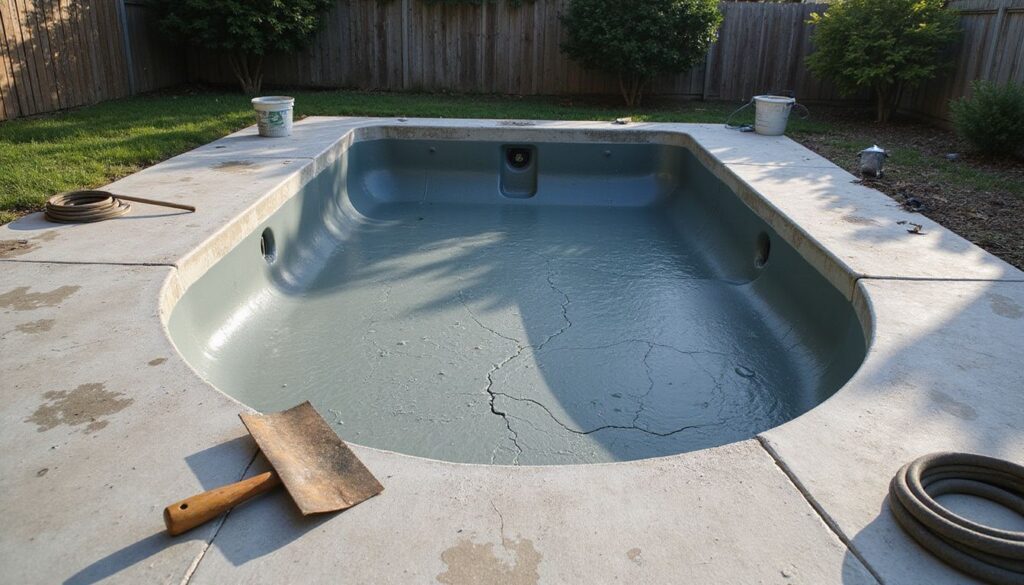
Swimming pools are often a central feature of a backyard, providing relaxation, recreation, and a touch of luxury. Over time, however, even the best-maintained pools show signs of wear. Cracks, rough surfaces, discoloration, and leaks are common issues that develop as pools age. This is where pool replastering becomes essential. It’s not just about aesthetics; replastering revitalizes the structure, prolongs lifespan, and ensures safe swimming conditions.
What is Pool Replastering?
Pool replastering involves applying a fresh layer of plaster to the interior surface of a swimming pool. Traditionally, plaster is made of a mixture of cement, water, and sand, with options to add decorative elements like quartz, pebbles, or colored aggregates. This new layer covers up cracks, rough patches, and worn-out surfaces, restoring both the appearance and functionality of the pool.
Most pools require replastering every 10 to 15 years, depending on the quality of the original plaster and how well the pool has been maintained. Neglecting replastering can lead to severe issues like leaks, algae growth, and even structural damage.
Signs Your Pool Needs Replastering
Knowing when your pool needs replastering is crucial to avoid bigger repair costs. Common indicators include:
- Cracks and Chips:Over time, plaster can develop hairline cracks or chips. While small cracks are often harmless, widespread cracking may compromise the pool’s surface.
- Rough or Pitted Surfaces:As plaster erodes, the pool surface becomes rough and uncomfortable to walk on. This is particularly noticeable on the steps and shallow areas.
- Discoloration or Stains:Calcium deposits and chemical reactions in water can cause staining, leaving your once-pristine pool dull and unattractive.
- Leaks:A worn plaster layer can allow water to seep through the pool shell, resulting in frequent water top-ups and potential damage to the surrounding area.
According to a 2024 survey by the National Pool and Spa Institute, around 38% of residential pools in the U.S. are replastered every decade due to surface deterioration.
The Pool Replastering Process
Pool replastering is a detailed process that requires professional expertise to ensure lasting results. Here’s a typical workflow:
- Drain the Pool:The first step is completely draining the pool. This allows technicians to access the surface for preparation.
- Surface Preparation:Old plaster, rough spots, and debris are removed. In some cases, acid washing or sandblasting is done to create a smooth base for new plaster.
- Repairing Structural Damage:Before new plaster is applied, any cracks or leaks in the pool shell are fixed.
- Mixing and Applying Plaster:The new plaster mixture is prepared according to the chosen style, then applied evenly to the pool’s interior.
- Curing and Filling:After application, the plaster needs to cure for a few days. Once cured, the pool is carefully refilled, and water chemistry is balanced to protect the new surface.
This entire process typically takes 7 to 14 days, depending on the pool size and the type of plaster chosen.
Benefits of Pool Replastering
Investing in pool replastering comes with numerous advantages:
- Enhanced Aesthetic Appeal:A fresh plaster layer instantly improves the pool’s appearance, giving it a clean, bright, and smooth finish. Decorative options like colored plaster or pebble finishes can further elevate its look.
- Increased Longevity:Replastering protects the pool shell from erosion, leaks, and other structural damage, effectively extending its lifespan by 10 to 15 years.
- Better Swimming Experience:A smooth plaster surface prevents scratches and makes the pool more enjoyable to use. Steps and shallow areas feel softer underfoot.
- Lower Maintenance Costs:New plaster resists algae growth and reduces the need for chemical balancing, saving time and money in pool upkeep.
A study from the Pool & Spa Alliance reported that properly replastered pools see a 25–30% reduction in maintenance-related issues over a five-year period.
Choosing the Right Plaster
When replastering, homeowners have several options depending on budget and style preference:
- White Plaster:Traditional, affordable, and brightens the water, giving it a sparkling effect.
- Colored Plaster:Offers a modern aesthetic and can complement landscaping or patio designs.
- Pebble or Quartz Finishes:Highly durable, resistant to stains, and provides a textured, luxurious look.
The choice of plaster affects both cost and durability. While white plaster is usually the most economical, pebble finishes last longer and can reduce the frequency of future replastering projects.
Conclusion
Over time, pools inevitably show signs of wear, but pool replastering provides a practical solution to restore both function and beauty. From fixing cracks to improving water quality and extending lifespan, replastering is an investment that pays off in comfort, safety, and aesthetics. Whether your pool shows minor surface damage or is significantly aged, consulting a professional pool contractor ensures a smooth, long-lasting result that turns your old pool into a refreshed backyard oasis.
For homeowners looking to maximize the life and enjoyment of their swimming pool, scheduling pool replastering every decade is a smart, proactive choice. Not only does it enhance the pool’s visual appeal, but it also protects your investment for years to come.