
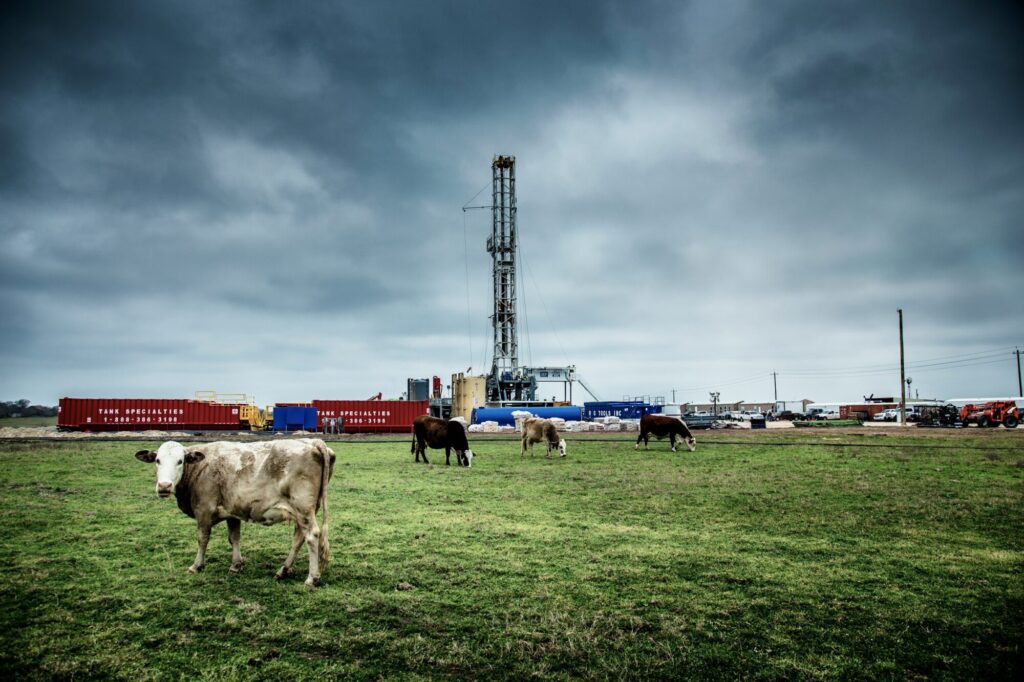
Oil companies are often associated with gas stations, fuel prices, and offshore rigs. These corporations shape the economic structure, change landscapes, influence public services, and leave a lasting imprint—whether good or bad—on the communities they touch.
The Employment Engine: Creating Work in Unexpected Places
Job Creation in Core Operations
Where oil exploration or refining occurs, there’s often a surge in employment. Positions range from engineers and geologists to equipment operators and safety supervisors.
- Local hiring boosts income levels
Communities see a direct rise in earnings when companies prioritize local talent. - Permanent vs. project-based roles
Some jobs, like those in refining or transport, are long-term, while others tied to exploration may disappear after the project ends.
Supportive Industries Thrive Too
Oil company activity stimulates demand in surrounding businesses.
- Hospitality and retail
Restaurants, hotels, and grocery stores benefit from increased foot traffic. - Construction and transportation
Infrastructure development (roads, housing, logistics) often spikes to accommodate the industry and its workers.
Land Leasing: A New Source of Local Income
Landowners Gain Rental Revenue
Oil exploration requires space—whether for drilling, storage, or transport. Many companies lease private or government land for these purposes.
- Private landowners earn leasing income
This can lead to increased household wealth in rural areas where options are limited. - Community negotiations
In some regions, local groups negotiate terms as a community, securing better deals for everyone.
Infrastructure Development: Paved Roads and Power Lines
New Facilities Built by Necessity
Oil companies often build roads, power lines, and housing to support their projects.
- Access roads improve connectivity
Even after projects end, the roads remain, benefiting residents. - Energy infrastructure expansion
Communities may gain access to reliable electricity and utilities where none existed before.
Maintenance Responsibility Falls on Locals
Once oil companies leave, maintaining the infrastructure can become a community burden.
- Short-term gains, long-term costs
Roads built quickly may deteriorate without proper upkeep, straining public budgets.
Environmental Trade-Offs: When Industry Meets Nature
Risks to Local Ecosystems
Oil extraction carries environmental risks, including spills, groundwater contamination, and air pollution.
- Oil spills affect water and wildlife
Local fishing industrie or ecosystems can be devastated. - Air and noise pollution impact quality of life
Residents near operations may face health issues or decreased property values.
Public Services: Funding Gains and Budget Dependency
Taxes and Royalties Support Local Budgets
Oil companies pay royalties and taxes that often go straight into local government coffers.
- Revenue funds schools, roads, and hospitals
Some towns enjoy better services due to this influx of funding. - Emergency services and disaster planning improve
Fire departments, medical response, and infrastructure can get a boost.
Risk of Over-Reliance on One Industry
Communities can become overly dependent on oil income.
- Economic instability from market swings
When oil prices crash, local budgets can collapse. - Limited investment in long-term sustainability
Communities may neglect other industries, leaving them vulnerable when oil projects end.
Cultural and Social Impact: Changing the Pace of Life
Population Surges Alter Community Dynamics
Large projects attract workers from outside, sometimes overwhelming small towns.
- Housing shortages and price spikes
Rent and home prices may increase rapidly. - Social tension between locals and newcomers
Cultural clashes or competition for services can lead to unrest.
New Opportunities for Local Businesses
Some communities successfully adapt to new rhythms.
- Entrepreneurship thrives in high-traffic zones
Local businesses pop up to meet growing demand for goods and services. - Community development initiatives emerge
Oil companies sometimes fund local programs or training efforts to build goodwill.
Long-Term Effects: What Happens After the Boom
Abandoned Infrastructure and Environmental Scars
When oil companies pack up and leave, they don’t always clean up everything.
- Idle wells and empty lots
These become safety hazards and eyesores. - Soil and water contamination may linger
Years after operations cease, communities can still face health concerns.
Efforts to Reclaim and Repurpose
Some towns find creative ways to reuse former industrial land.
- Green space and recreational use
Old drilling sites become parks or nature reserves. - Tech hubs and manufacturing zones
With proper planning, infrastructure can be reused for new industries.
Balancing Act: Regulation, Voice, and Accountability
Stronger Laws Can Protect Communities
Regulations vary by country and region. Some governments enforce strict rules, while others offer companies more freedom.
- Zoning and environmental rules matter
Clear guidelines protect residents and ecosystems. - Regular audits and community reports build trust
Transparency improves when companies must publicly disclose impacts.
Community Involvement Drives Fair Outcomes
Locals who organize can influence how oil companies operate.
- Town halls and negotiations create leverage
When communities demand better terms, they often get them. - Youth engagement and education shape the future
Awareness programs help future generations manage industrial presence wisely.
Conclusion
Oil companies don’t just extract fuel—they inject change into the heart of every community they touch. Their presence can bring jobs, revenue, and infrastructure, but also environmental risks, social disruption, and long-term challenges.
Understanding the full scope of this influence empowers communities to negotiate better terms, prepare for life after oil, and demand accountability from the industries that shape their lives.
FAQs
1. How do oil companies affect small-town economies?
They create jobs and stimulate local businesses like housing, food services, and construction. However, they can also inflate costs and leave gaps if they pull out.
2. Do oil companies help pay for schools and roads?
Yes. Many oil companies pay local taxes or royalties that contribute to funding public services like education, healthcare, and road maintenance.
3. What environmental risks come with oil drilling?
Oil operations can cause air pollution, water contaminatio or habitat destruction. Spills and leaks are among the most serious threats to the local ecosystems.
4. Can communities say no to oil development?
In some places, yes—especially if laws allow public consultation or voting. Community organizing and legal action can also influence development decisions.