
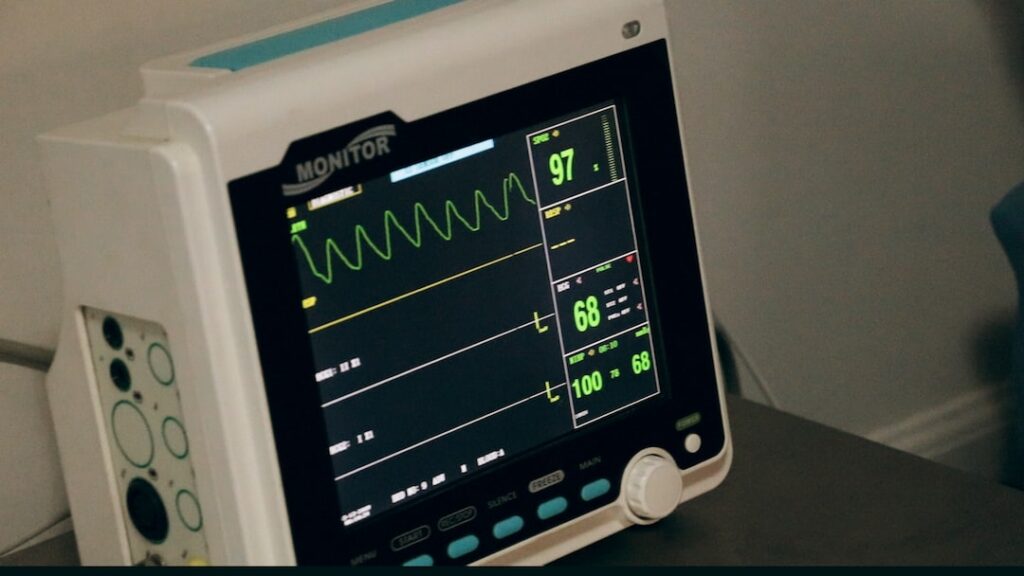
Non-invasive health monitoring is transforming patient care by providing a continuous and pain-free method of checking vital signs. This approach enables healthcare workers to observe patients without the discomfort or risks associated with traditional methods. By offering real-time monitoring, non-invasive techniques contribute to better patient outcomes and management, becoming an essential component of healthcare systems globally.
Understanding Non-Invasive Health Monitoring
Non-invasive health monitoring involves technologies that gather vital health data without breaking the skin or entering the body. Key technologies include:
- Wearable Devices: These devices monitor heart rate, oxygen levels, and more.
- Smart Sensors: These collect data without direct contact, typically placed near the patient.
- Mobile Apps: These facilitate data tracking and sharing between patients and doctors.
- Wireless Monitors: They transmit real-time data to healthcare providers for remote monitoring.
These technologies play a critical role in modern healthcare, offering safe, efficient, and continuous patient monitoring, thereby reducing the need for frequent hospital visits.
Comparing Vital Signs Monitoring Methods
In healthcare, vital signs monitoring is essential for assessing patient health. Traditionally, vital signs such as body temperature, pulse rate, respiration rate, and blood pressure were measured using methods that required direct contact or invasive techniques.
Traditional Monitoring Methods:
- Thermometers: Used to measure body temperature.
- Blood pressure cuffs: Employed for manual blood pressure readings.
- Stethoscopes: Utilized to listen to heart and respiration sounds.
While reliable, these methods can be uncomfortable, time-consuming, and may not support continuous monitoring.
Non-Invasive Patient Monitoring Methods:
Non-invasive techniques have revolutionized vital signs monitoring, offering several advantages:
- Comfort: Patients experience less discomfort as these methods do not require skin penetration or tight fittings.
- Continuous Monitoring: Devices provide real-time updates on vital signs.
- Improved Accuracy: Advanced sensors and algorithms enhance measurement precision.
Real-Time Vital Signs Monitoring Software Development
The development of software for real-time monitoring of vital signs is a significant advancement in healthcare management. These software solutions integrate with modern devices to offer instantaneous access to patient health data.
Impact of Software in Monitoring:
- Instant Data Access: Healthcare professionals receive real-time updates crucial in emergencies.
- Data Management: Enables storage and analysis of extensive health data for improved patient outcomes
- Remote Monitoring: Allows patients to be monitored outside traditional healthcare settings, enhancing accessibility.
Popular software solutions have streamlined processes, ensuring real-time and secure data collection that integrates seamlessly with existing healthcare systems.
Adopting real-time vital signs monitoring software not only facilitates immediate healthcare responses but also contributes to long-term health management, leading to smoother healthcare operations and enhanced patient care quality.
Combination Vital Signs Monitors and Their Benefits
Combination vital signs monitors are sophisticated devices designed to simultaneously monitor multiple vital signs. These monitors enable healthcare professionals to efficiently track various aspects of a patient’s health, such as heart rate, blood pressure, oxygen levels, and temperature. By consolidating multiple functions into a single device, they offer several advantages:
- Efficiency in Patient Monitoring: With one device handling multiple functions, healthcare providers can quickly obtain a comprehensive view of a patient’s health, reducing the need for separate measurements and equipment.
- Enhanced Clinical Workflow: Streamlining vital signs monitoring allows medical staff to focus more on patient care rather than managing various tools.
- Improved Data Accuracy: Combination monitors often utilize advanced technology to ensure precise readings, crucial for effective diagnosis and treatment.
- Space and Resource Optimization: Particularly valuable in constrained settings like ambulances and small clinics, these multi-functional devices consolidate multiple monitoring tasks into a single piece of equipment.
Studies have highlighted the benefits of using combination monitors in clinical settings, showcasing their role in enhancing patient care and improving workflow efficiency.
SEM Monitoring in Healthcare
Surface Electromyography (SEM) monitoring is a non-invasive technique that measures muscle electrical activity, offering valuable applications in healthcare:
- Pain Management: By evaluating muscle function and tension, SEM monitoring aids in identifying sources of pain and guiding effective treatment strategies.
- Rehabilitation: SEM tracks patient progress during rehabilitation, providing feedback on muscle activation.
- Sports Medicine: Athletes benefit from SEM monitoring by gaining insights into muscle fatigue and performance for improved training regimens.
The benefits of SEM monitoring include:
- Non-Invasive Assessment: Safer and more comfortable for patients compared to invasive methods.
- Real-Time Feedback: Allows immediate adjustments during rehabilitation or training for effective treatment.
- Versatility Across Conditions: Provides valuable data across various healthcare scenarios, from chronic pain management to athletics.
These innovative monitoring techniques, including combination monitors and SEM monitoring, play a crucial role in modern healthcare by providing comprehensive and accurate data that enhances patient care and outcomes.
Non-invasive Respiration Rate Monitoring
Non-invasive monitoring technologies have vastly improved how respiration rates are tracked, offering a safer and more comfortable experience for patients. Compared to traditional methods that may involve uncomfortable probes, non-invasive techniques prioritize ease and accuracy, resulting in significant advancements:
- Advanced Techniques: Wearable sensors and patches provide detailed data without intrusive equipment, enabling effective patient monitoring even outside hospital settings.
- Benefits: These advanced technologies reduce discomfort associated with traditional methods, ensuring better patient compliance and comfort.
Enhanced Healthcare Efficiency with Real-time Monitoring
The integration of real-time vital signs monitoring in healthcare settings is a game-changer for efficiency and patient outcomes, enhancing healthcare delivery in several ways:
- Emergency Response: Instant access to patient data in critical situations enables medical staff to make faster and informed decisions, potentially saving lives. To learn more, check out this Science Direct article.
- Patient Outcomes: Real-time data aids in identifying trends or anomalies in a patient’s condition promptly, leading to timely interventions that improve results.
- Workflow Improvements: Continuous monitoring reduces manual checks, allowing healthcare professionals to focus more on direct patient care.
These enhancements underscore the significance of incorporating real-time monitoring technologies in healthcare to ensure patients receive effective and efficient care, ultimately improving patient experiences.