
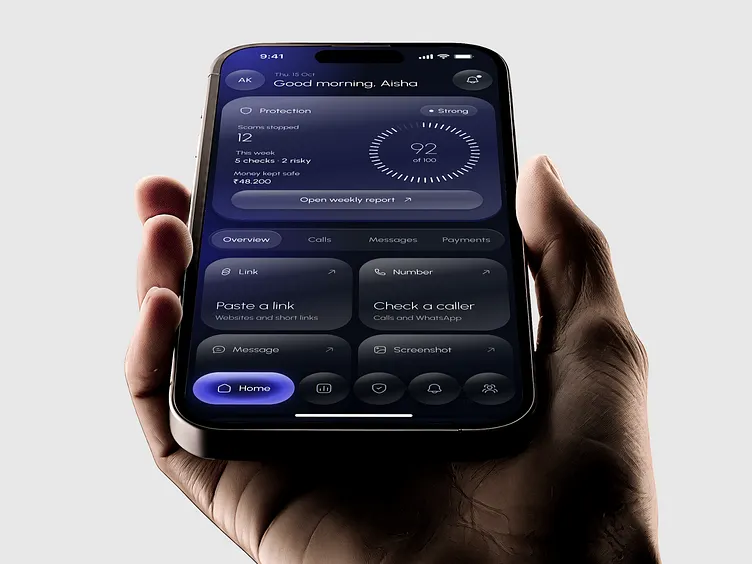
Mobile entertainment applications are no longer judged only by their visual design or the number of features they provide. Today’s users expect a smooth experience, fast loading times, secure account access, and transparent data practices. As competition in the digital entertainment industry increases, developers must focus on the technology behind the interface.
A successful mobile platform should be easy to use while remaining stable, secure, and adaptable across different devices. This article examines the key technologies shaping modern mobile entertainment applications and explains what users should consider before choosing a platform.
1. Lightweight Design Improves Mobile Performance
One of the most important goals in mobile application development is performance optimization. Users may access an app through high-end smartphones, older devices, or unstable mobile networks. If the application contains excessive animations, large image files, or poorly optimized code, it may load slowly and consume unnecessary battery power.
Modern developers often use lightweight frameworks, compressed media, and efficient caching systems to improve responsiveness. These technologies allow frequently used content to load faster and reduce repeated data requests. A well-optimized application should respond quickly when users open menus, switch pages, or complete basic actions.
Performance is especially important for entertainment platforms, where delays can interrupt the user experience. Smooth navigation creates confidence, while constant loading screens and unexpected errors may encourage users to leave the platform.
2. Cloud Infrastructure Supports Reliability
Behind most modern mobile applications is a cloud-based infrastructure. Cloud technology enables developers to distribute data and services across multiple servers instead of relying on a single physical location.
This structure provides several advantages. First, it can help an application manage sudden increases in traffic. Second, it reduces the risk that a single server failure will make the entire service unavailable. Third, cloud monitoring tools allow technical teams to identify performance problems and respond to them more quickly.
For users, these improvements are usually visible as shorter loading times, fewer interruptions, and more consistent access during busy periods. A reliable backend is therefore just as important as an attractive front-end design.
3. Security Should Be Part of the User Experience
Security is no longer a technical issue that users can ignore. Mobile applications may process account details, device information, contact data, and transaction-related activity. This makes secure authentication and responsible data management essential.
A dependable platform should use encrypted connections to protect information while it travels between the user’s device and the server. It should also provide secure password recovery, device verification, suspicious-login alerts, and additional authentication options where appropriate.
At the same time, security should not make the application unnecessarily difficult to access. Users should receive clear explanations when a login attempt fails, rather than seeing vague technical messages. A well-designed authentication process protects the account while keeping the user informed.
4. The Role of the BingoPlus App in Mobile Accessibility
For users interested in mobile entertainment services, the BingoPlus App demonstrates why accessibility and interface design are important considerations. A mobile application should organize its core functions clearly and make them easy to locate on different screen sizes.
Responsive design allows the interface to adjust to smartphones and tablets without causing buttons or text to appear too small. Efficient resource management can also help users who rely on mobile data or devices with limited storage capacity.
However, users should not evaluate an application solely on appearance. They should also consider how consistently it performs, whether official update channels are available, and whether the platform clearly explains its policies. A polished interface is valuable, but long-term reliability depends on the entire technical system.
5. A Simple and Secure Login Process
Account access is one of the first interactions users have with a digital platform. If the login process is confusing, slow, or poorly explained, users may question the reliability of the service.
An effective authentication system should provide a clear entry point, readable instructions, and practical recovery options. Users should be able to reset forgotten credentials through verified contact methods without repeatedly exposing sensitive information.
Those who already have an account can access the official BingoPlus Login page through a direct authentication route. From a usability perspective, a dedicated login page can reduce confusion and help users avoid unofficial links or misleading third-party websites.
Users should also check the address bar before entering personal information. Looking for a secure connection and using official access channels are simple steps that can reduce the risk of phishing.
6. Transparency and Responsible Platform Design
Technical performance alone cannot create a trustworthy application. Platforms should also explain their rules, privacy practices, and account policies in language that ordinary users can understand.
If an application includes games, rewards, or transaction-related features, it should present important conditions clearly. Promotional messages should not replace accurate information about eligibility, restrictions, or participation limits.
Responsible design also means giving users appropriate control over their activity. Clear account settings, notification controls, and support channels can make the overall experience more transparent. These features help users make informed decisions rather than relying on unclear promotional claims.
7. What Users Should Check Before Choosing an App
Before installing or using a mobile entertainment application, users should review several practical factors:
- Does the application load quickly and work smoothly on their device?
- Are the download and login channels official?
- Does the platform use secure authentication?
- Are privacy policies and service rules easy to find?
- Is customer support available when access problems occur?
- Can users control notifications, account settings, and personal information?
These questions provide a more complete evaluation than simply looking at screenshots or advertisements.
Conclusion
The future of mobile entertainment will depend on more than visual design and promotional features. Performance optimization, cloud infrastructure, secure authentication, accessibility, and transparent policies are all essential parts of a dependable digital platform.
For users, the best approach is to examine how an application works as well as what it offers. Choosing official access channels, protecting login information, reviewing platform policies, and using services responsibly can lead to a safer and more consistent experience. For developers, the lesson is equally clear: technology should be designed around user trust, not just short-term attention.