
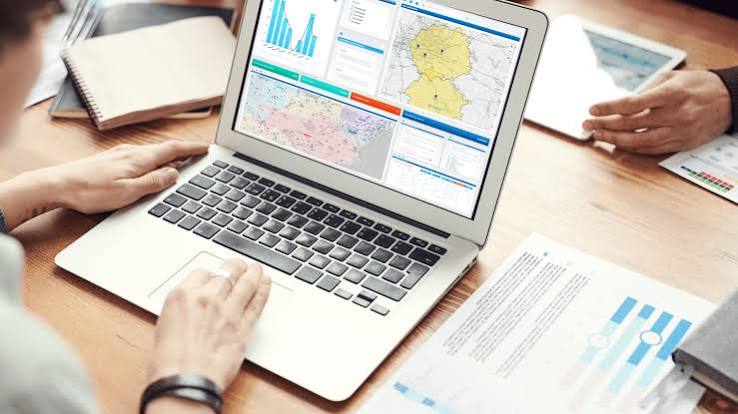
Finding new business opportunities requires more than identifying a growing city or choosing a location with attractive commercial properties. Businesses must understand where customers live, how they spend their money, which competitors serve them, and what local markets still lack. Geographic information can reveal opportunities that traditional market research might overlook. By combining consumer behavior, demographic patterns, and geographic insights, location intelligence software helps organizations discover promising markets and make informed expansion decisions.
Modern businesses operate in environments where customer preferences, population distribution, and economic conditions constantly change. A neighborhood that once offered limited commercial potential may become an attractive investment destination as new residential developments, transportation networks, and employment centers emerge. Recognizing these changes early allows companies to establish a presence before competition intensifies.
Identifying Markets With Unmet Consumer Demand
One of the most valuable applications of location intelligence software is discovering areas where consumer demand exceeds the availability of relevant products or services. Businesses can examine population characteristics, purchasing power, existing commercial establishments, and consumer movement patterns to identify potential gaps.
For example, a rapidly developing residential neighborhood may have thousands of households but relatively few grocery stores, fitness centers, or healthcare facilities. Geographic analysis can highlight this imbalance and help businesses evaluate whether opening a new establishment would be commercially viable.
Rather than relying entirely on assumptions, companies can use measurable market indicators to identify locations where their offerings may satisfy existing customer needs.
Discovering Opportunities Through Demographic Changes
Population characteristics strongly influence the success of retail stores, restaurants, healthcare providers, and service businesses. Age distribution, household income, family composition, and population growth can reveal which products or services are likely to attract local customers.
A neighborhood experiencing an increase in young families may create opportunities for childcare facilities, educational services, and family entertainment businesses. Similarly, areas with growing older populations may generate additional demand for healthcare services and accessible retail establishments.
Location intelligence software allows businesses to examine these demographic shifts across different geographic areas. Comparing historical information with current population trends helps decision makers recognize emerging opportunities before they become widely apparent.
Evaluating Competitor Presence and Market Saturation
A market with strong consumer demand does not automatically guarantee commercial success. Businesses must also consider how many competitors already operate nearby and whether those establishments adequately serve the surrounding population.
Geographic analysis helps organizations visualize competitor locations, estimate market coverage, and identify areas with limited access to particular services.
For instance, a restaurant chain considering expansion may discover that several popular commercial districts already contain numerous similar establishments. However, nearby residential communities might offer comparable customer potential with fewer direct competitors.
Examining these differences allows businesses to prioritize underserved markets rather than entering locations where competition could make profitability difficult.
Understanding Customer Movement and Foot Traffic Patterns
Consumer activity is not determined solely by residential population. People regularly travel between homes, workplaces, shopping destinations, educational institutions, and entertainment centers. Understanding these movements can uncover commercial opportunities that population statistics alone cannot explain.
Foot traffic information helps businesses assess visitor volumes, popular destinations, and patterns of activity throughout the day or week.
A location near a transportation hub may attract substantial weekday activity, while a suburban shopping district may experience stronger weekend demand. These distinctions influence operating hours, staffing requirements, product selection, and marketing strategies.
By incorporating movement patterns into location intelligence software, businesses can better evaluate whether potential customers are likely to visit a proposed location.
Recognizing Growth Corridors and Emerging Commercial Districts
Infrastructure development often changes the economic potential of surrounding communities. New highways, public transportation connections, residential projects, and employment centers can influence where people choose to live, work, and shop.
Businesses that monitor these developments may identify promising commercial districts before property demand increases significantly.
For example, a planned transportation connection could improve accessibility to an area previously considered inconvenient. As connectivity improves, nearby locations may become attractive for retail establishments, restaurants, and professional services.
Geographic insights help organizations examine these possibilities alongside demographic projections and existing commercial activity. However, businesses should also verify development timelines, zoning requirements, and infrastructure commitments before making investment decisions.
Supporting More Accurate Expansion Planning
Identifying an attractive market is only the beginning. Businesses must determine whether entering that market aligns with their financial resources, operational capabilities, and long term objectives.
Location intelligence software supports this evaluation by bringing multiple geographic and commercial indicators into a unified analytical process.
Organizations can compare potential locations based on population density, customer accessibility, competitor concentration, estimated demand, and surrounding development activity. This approach makes it easier to prioritize opportunities that match specific business requirements.
It also helps companies avoid expanding into markets simply because commercial space is available or neighboring businesses appear successful.
Improving Marketing Strategies for New Markets
Geographic insights remain useful after a business identifies a promising location. Understanding the characteristics of surrounding communities helps organizations develop marketing campaigns that reflect local preferences and purchasing behavior.
Businesses can tailor advertising messages, promotional offers, and product selections to different customer groups. Geographic analysis can also identify neighborhoods where targeted outreach may generate stronger engagement.
For companies operating multiple locations, these insights support more efficient marketing budget allocation and help reduce spending in areas with limited customer potential.
Conclusion
Untapped market opportunities often exist where changing demographics, unmet consumer needs, and emerging development patterns intersect. Recognizing these opportunities requires businesses to examine geographic information alongside commercial and operational considerations.
Location intelligence software provides a structured way to evaluate market potential, understand customer behavior, assess competition, and plan expansion strategies. When combined with reliable data and practical business judgment, these insights can help organizations discover overlooked opportunities, reduce uncertainty, and build a stronger foundation for sustainable growth.
Previously in Big Data: How to Import Excel and CSV Files into QuickBooks Online Without Re-entering Transactions?