

In the age of digital communication and customer-centric services, call centers have become essential hubs for businesses to manage customer interactions. However, with increased accessibility, call centers have become prime targets for fraudulent activities.
Fraud in call centers threatens the security of personal information and undermines customer trust. Effective fraud detection and prevention are critical components of modern call center operations.
This article will explore how fraud prevention occurs in call centers, the technologies used, and best practices for safeguarding sensitive data.
Recognizing the Fraud Risks in Contact Centers
Call centers, especially those handling sensitive customer information, are vulnerable to various forms of fraud. Some common types include:
- Identity Theft – Fraudsters impersonate legitimate customers to gain unauthorized access to accounts.
- Account Takeovers – Attackers gain control of a customer’s account, often by gathering personal details from various sources.
- Social Engineering – Fraudsters manipulate call center agents to disclose sensitive data or bypass security measures.
- Phishing – Fraudulent callers trick agents into sharing confidential information by pretending to be someone else.
These threats highlight the need for a robust fraud prevention strategy within call centers to protect the business and the customers.
Fraud Detection Methods in Call Centers
Call centers use several advanced fraud detection techniques to minimize the risks of fraudulent activities. These methods rely on technology and well-trained human resources to identify and mitigate threats.
1. Multi-Factor Authentication (MFA)
One of the first lines of defense in call center fraud prevention is multi-factor authentication (MFA). MFA adds a layer of security beyond basic login credentials by requiring multiple forms of identification. In call centers, MFA can be implemented in the following ways:
- Knowledge-based Authentication (KBA): Customers are asked questions only they would know, such as their previous transaction history or a PIN.
- Biometric Verification: Voice recognition or fingerprint scanning adds an extra layer of verification during customer interactions.
- One-Time Passwords (OTP): To confirm their identity, the customer must enter a temporary code via SMS or email.
By requiring multiple verification forms, MFA ensures that fraudsters cannot easily access customer accounts even if one layer is compromised.
2. Voice Biometrics
Voice biometrics is a revolutionary fraud detection technology used in call centers to verify a customer’s identity by analyzing the unique characteristics of their voice. Voiceprints are created by measuring specific vocal attributes, such as pitch, tone, and speech patterns, which are nearly impossible to replicate.
- Fraud Detection via Voiceprints: If a fraudulent caller tries to impersonate a legitimate customer, the system flags discrepancies in the voiceprint and alerts the agent.
- Real-Time Monitoring: Voice biometrics technology can analyze conversations in real-time to detect fraudulent patterns, such as stress or nervousness, which are often indicators of a scam attempt.
Voice biometrics significantly reduces the likelihood of successful identity theft or account takeover, making it a powerful tool for fraud prevention.
3. Intelligent Call Routing
Intelligent call routing involves using algorithms to assess the risk level of incoming calls and direct them to the appropriate agent or department. Fraud detection systems monitor various data points, such as:
- Phone Number Analysis: Identifying suspicious phone numbers or high-risk locations associated with fraud.
- Behavioral Analysis: Tracking the caller’s behavior to detect unusual patterns or suspicious activity.
If a call is deemed high-risk, it can be routed to a specialized fraud detection team or an agent trained in handling sensitive situations, reducing the chances of fraud slipping through the cracks.
Fraud detection methods in call centers, such as multi-factor authentication, voice biometrics, and AI-driven analytics, are essential for safeguarding customer data and preventing unauthorized access. By integrating these technologies, call centers can enhance security and effectively combat fraud in real-time.
Advanced Fraud Detection Technologies
While traditional fraud prevention methods still hold value, newer technologies have enhanced fraud detection in call centers, providing faster, more accurate results.
1. Artificial Intelligence (AI) and Machine Learning (ML)
Artificial intelligence (AI) and machine learning (ML) are increasingly important in modern fraud detection. These technologies analyze vast amounts of data in real-time to identify patterns and anomalies that could indicate fraudulent behavior.
- Predictive Analytics: AI algorithms can analyze historical data to predict potential fraud risk. For example, if a customer typically calls during certain hours and a call occurs at an unusual time, the system can flag the interaction as suspicious.
- Real-Time Fraud Detection: Machine learning models can detect emerging fraud trends by learning from previous cases and continuously adapting to new tactics employed by fraudsters.
By leveraging AI and ML, call centers can implement dynamic fraud prevention systems that continuously improve, ensuring the latest threats are detected and addressed swiftly.
2. Transaction Monitoring Systems
Transaction monitoring systems track all customer interactions and transactions within the call center. These systems analyze transaction size, frequency, and location to identify suspicious patterns. For example, if a customer frequently requests changes to their account information, it may trigger an alert for further investigation.
- Real-Time Monitoring: Alerts are triggered in real-time if a transaction seems unusual.
- Automated Alerts: The system automatically notifies agents or managers when fraud risks are detected, enabling quick responses.
This technology helps reduce false positives and ensures that agents can focus their efforts on high-risk interactions.
Best Practices for Fraud Prevention in Call Centers
To effectively prevent fraud, call centers must implement a combination of strategic practices that rely on advanced technology and focus on human vigilance and robust policies. Here are some key best practices:
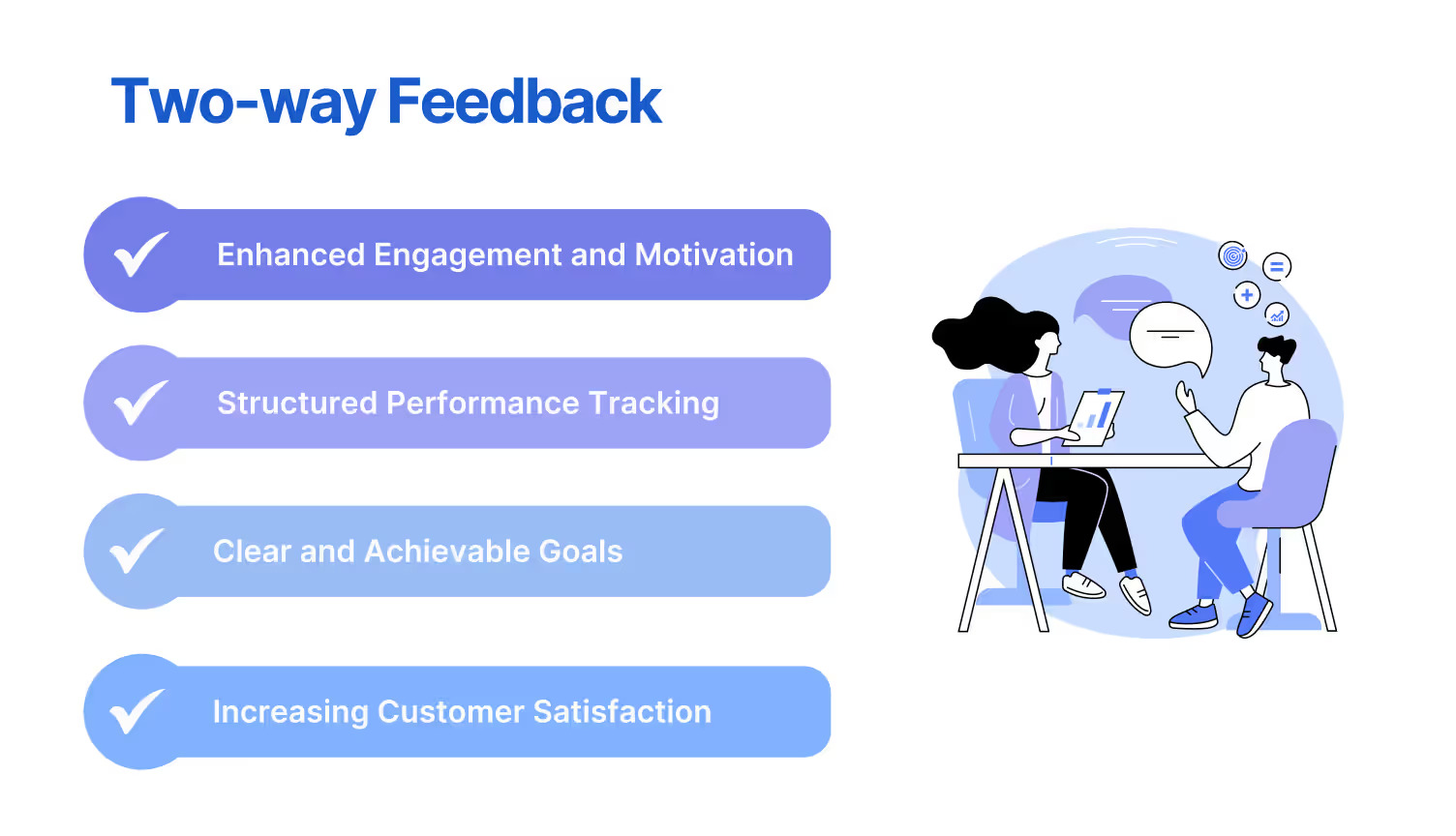
- Employee Training and Awareness: Regular training is essential to help agents recognize social engineering tactics and follow security protocols. Agents should be equipped to ask for additional verification and handle suspicious calls, reducing human error and ensuring they can spot fraud red flags.
- Strong Data Security Policies: Call centers must implement encryption, access controls, and regular security audits to protect sensitive customer data. These measures prevent fraudsters from misusing information even if they gain access.
- Fraud Detection System Updates: Regular updates to fraud detection systems and AI and machine learning improvements help call centers stay ahead of evolving fraud tactics and enhance detection accuracy.
- Customer Feedback Integration: Analyzing customer feedback affected by fraud helps refine fraud detection practices and security measures, improving future prevention efforts.
By combining technological advancements with well-defined policies and well-trained employees, call centers can significantly reduce the risk of fraud while ensuring the safety of their customers’ data.
The Future of Fraud Prevention in Call Centers
Fraud prevention in call centers has become a complex but critical aspect of business operations. Through technology, employee training, and robust security policies, call centers can significantly reduce the risk of fraud.
Multi-factor authentication, voice biometrics, AI, and machine learning lead the charge in fraud detection, providing faster, more efficient ways to identify and stop fraud in real-time. As fraud tactics evolve, so must the systems and practices used to protect sensitive customer data.
Call centers can safeguard their customers and reputation in an increasingly digital world by implementing these strategies and continuously updating fraud prevention measures.