
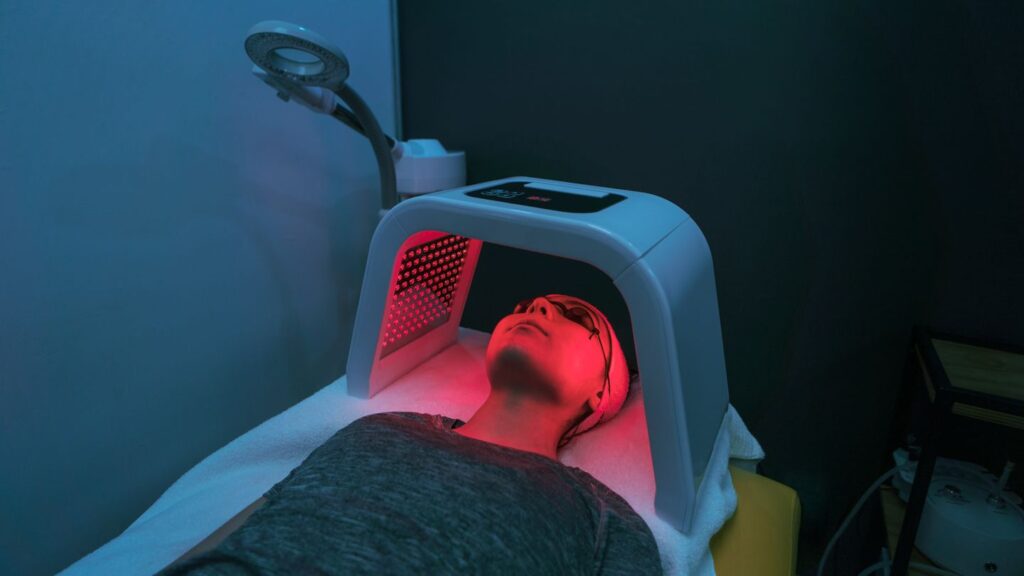
Red light therapy (RLT) has emerged as a popular, non-invasive treatment for managing pain and improving overall health. This therapy utilizes specific wavelengths of red and near-infrared light to penetrate the skin and stimulate biological processes at the cellular level.
From chronic pain conditions to post-injury recovery, RLT has shown promising results in clinical settings and everyday use. In this article, we’ll explore how medical-grade red light therapy devices work for pain relief, its benefits, underlying mechanisms, and practical tips for incorporating it into your wellness routine.
What Is a Red Light Therapy Machine?
Red light therapy machine, also known as low-level laser therapy (LLLT) or photobiomodulation (PBM), involves exposing the body to low levels of red or near-infrared light. Unlike ultraviolet (UV) light, which can damage skin cells, red light is safe and can penetrate deeply into tissues without causing harm.
RLT typically uses light in the 620 to 850 nanometer (nm) wavelength range. These wavelengths are known to reach different depths in the skin:
- 620–700 nm (Red Light): Primarily absorbed by skin cells and surface-level tissues.
- 700–850 nm (Near-Infrared Light): Penetrates deeper into muscles, tendons, and even bone tissue.
This dual-range effectiveness makes RLT ideal for addressing a variety of pain conditions.
How Does Red Light Therapy Relieve Pain?
1. Boosting Cellular Energy Production
Red light therapy stimulates the mitochondria, often referred to as the “powerhouses” of cells. Mitochondria produce adenosine triphosphate (ATP), the primary energy source for cellular functions. When exposed to red or near-infrared light, mitochondria absorb the light and ramp up ATP production. This enhanced energy helps cells repair damage, reduce inflammation, and function more effectively, all of which contribute to pain relief.
2. Reducing Inflammation
Inflammation is a natural immune response to injury or disease but can become chronic in conditions like arthritis or fibromyalgia. Red light therapy reduces inflammation by:
- Decreasing Pro-inflammatory Cytokines: RLT lowers the levels of molecules that promote inflammation.
- Improving Circulation: By enhancing blood flow, RLT helps deliver oxygen and nutrients to tissues while removing waste products, accelerating the healing process.
3. Promoting Tissue Repair and Regeneration
Red light stimulates the production of collagen and elastin, proteins essential for repairing tissues. It can accelerate wound healing and reduce scar tissue formation, making it valuable for injuries and post-surgical recovery.
4. Alleviating Muscle Tension and Spasms
By penetrating into deeper tissues, near-infrared light helps relax muscle fibers and reduces spasms, leading to improved range of motion and less discomfort.
5. Desensitizing Nerve Endings
RLT may also help modulate nerve activity, reducing the sensitivity of nerve endings associated with pain perception. This is particularly useful in conditions like neuropathy.
Scientific Evidence Supporting RLT for Pain
Numerous studies have highlighted the effectiveness of red light therapy for pain management:
- Arthritis Pain Relief: A study published in Lasers in Medical Science found that red light therapy significantly reduced pain and improved joint function in patients with osteoarthritis.
- Post-Exercise Muscle Recovery: Research in The Journal of Athletic Training revealed that RLT reduced muscle soreness and improved recovery time in athletes.
- Chronic Back Pain: A meta-analysis in Pain Research and Management concluded that low-level laser therapy effectively reduced chronic lower back pain in participants.
These findings underscore RLT’s potential as a non-invasive and drug-free alternative for pain relief.
Applications of Red Light Therapy for Pain
1. Chronic Pain Conditions
RLT is widely used for conditions such as:
- Arthritis (rheumatoid and osteoarthritis)
- Fibromyalgia
- Neuropathy
2. Acute Injuries
For sprains, strains, and soft tissue injuries, red light therapy accelerates healing and minimizes swelling, allowing patients to resume activity more quickly.
3. Post-Surgical Recovery
Many healthcare providers use RLT to support recovery after surgical procedures, as it helps reduce pain and scarring.
4. Headaches and Migraines
Some studies suggest that red light therapy may help alleviate tension headaches and migraines by relaxing muscles and improving blood flow to the head and neck regions.
5. Sports Recovery
Athletes frequently use red light therapy to relieve muscle soreness, reduce inflammation, and enhance performance.
How to Use Red Light Therapy for Pain?
1. Home Devices vs. Clinical Treatments
- Home Devices: Many affordable, FDA-approved red light therapy devices are available for personal use. These include handheld wands, panels, and wearable wraps.
- Clinical Treatments: For more severe or targeted pain, professional-grade devices in physical therapy or medical clinics may offer greater intensity and precision.
2. Session Duration and Frequency
Most sessions last between 10 to 20 minutes and are conducted 3–5 times per week. Consistency is key, as the effects are cumulative over time.
3. Targeting Specific Areas
Ensure the device is positioned directly over the area of pain, and maintain the recommended distance to achieve optimal light penetration.
Is Red Light Therapy Safe?
Red light therapy is considered very safe with minimal side effects. The most common side effects include mild redness or warmth in the treated area, which typically resolves quickly. However, it’s important to:
- Follow manufacturer guidelines.
- Avoid overexposure, as too much light can negate the benefits.
Pregnant women, individuals with light sensitivity, or those taking photosensitizing medications should consult a healthcare provider before using RLT.
Conclusion
Red Light Therapy Devices By boosting cellular energy, reducing inflammation, and promoting tissue repair, red light therapy addresses the root cause of pain rather than just masking the symptoms. Whether you are treating chronic pain, recovering from an injury, or looking for faster muscle recovery, incorporating red light therapy into your daily routine can provide significant relief and improve your quality of life.
For best results, consult a healthcare professional or invest in a high-quality device designed for your specific needs. If used consistently, red light therapy can be a valuable tool in your pain management toolkit.