
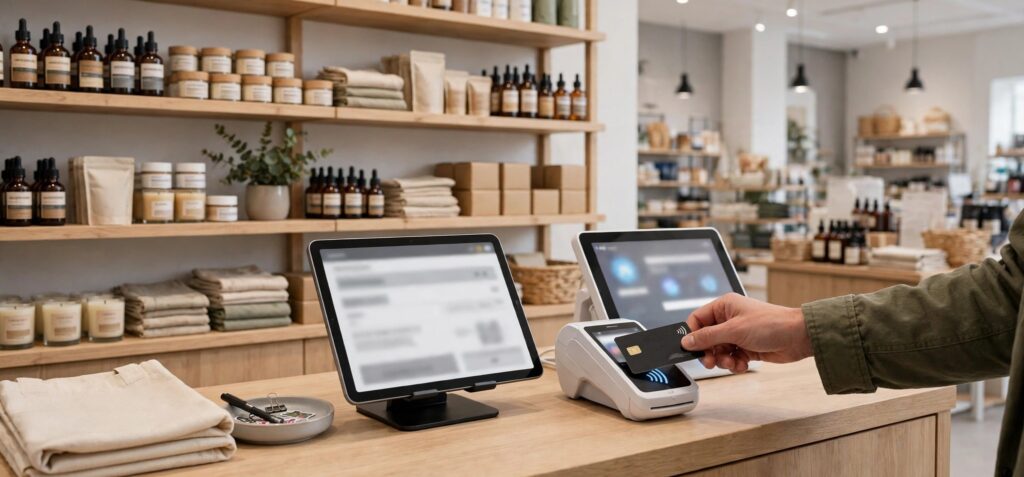
Most business owners spend their energy on the parts of a sale that customers can see. They polish the showroom, train the sales team, and write better product pages. Yet one of the biggest reasons a sale stalls happens at the very last step, when the customer has to pay. A confusing checkout, a payment option that does not fit how a buyer works, or a large total with no way to spread it out can stop a ready customer in their tracks. In 2027, smart retailers and distributors are treating payment as part of the sales process instead of an afterthought.
This change matters most for businesses that sell big-ticket items or large orders. A mattress, a full floor of new wood, a one-of-a-kind rug, or a pallet of tires is not an impulse buy. Customers think carefully before spending that kind of money, and the way they are asked to pay can either ease their worry or add to it. When the payment step feels simple, flexible, and trustworthy, buyers often feel comfortable choosing the better product or the larger order. When it feels clumsy, they shrink the order, delay the decision, or walk away completely.
Payment tools have also become far easier for small and mid-sized businesses to use. Monthly financing, pay-later plans, digital invoices, deposits, and online ordering portals were once mostly available to large chains with big budgets. Today, an independent shop or a regional distributor can offer many of the same options. The businesses pulling ahead are not just adding these tools for the sake of it. They are choosing the specific options that match how their own customers already like to buy.
The seven lessons below come from business owners and leaders across mattresses, flooring, rugs, academic products, and tire distribution. Each one shows how a change in the way customers pay led to larger sales, faster decisions, or stronger relationships. Together, they offer a practical roadmap for any retailer or distributor hoping to remove friction at the moment it matters most.
1. Financing Turns "Maybe Later" Into "Yes Today"
For many shoppers, the problem is not whether they want a product. It is whether they can comfortably pay for it all at once. A large price tag can push a customer toward a cheaper option that does not truly meet their needs, simply because the full amount feels heavy in one payment.
Matt Wolf, Founder and CEO of Mattress Lux, has seen this pattern throughout more than two decades in the mattress industry.
"I spent twenty years watching good customers walk out because a 2,000 dollar mattress felt like too much to pay at once. When I opened Mattress Lux, we made monthly financing part of every conversation, not a last resort at the register. Our average sale grew because shoppers chose the bed they actually needed instead of the cheapest one. We never push, we just make the right mattress feel within reach."
The key detail is timing. Financing works best when it is introduced early and calmly, as a normal option, rather than offered as a rescue once a customer is already hesitating.
2. Show the Monthly Cost Before the Buyer Has to Ask
Online shoppers face the same worry as in-store shoppers, but without a salesperson nearby to explain their options. If the payment choices are hidden until the final screen, many buyers abandon their cart before they ever see them.
Cameron Christie, Founder of Luxury Flooring, found that clarity at checkout made a real difference for customers planning large projects.
"Flooring is a big purchase, and we noticed many shoppers filled their basket and then stalled at checkout. We added clear pay-later options and showed the monthly cost right beside the total, so nobody had to do the maths themselves. Larger orders started coming through, especially from homeowners doing a whole floor at once. People do not mind spending more when the payment plan feels simple and honest."
Showing the monthly figure next to the full price removes guesswork. It also builds trust, since buyers can see exactly what they are agreeing to before they commit.
3. Match Payments to the Pace of Custom Work
Some products take weeks or months to source, make, or deliver. Asking for the full amount on day one can feel risky to a buyer, while waiting until the very end can leave the seller exposed. A staged payment plan solves both problems.
Ariel Basalely of Eliko Rugs by David Ariel works with interior designers and homeowners on rare and custom rugs, where projects often unfold over time.
"Many of our antique and custom rugs take months to source or weave, so the payment process has to match that journey. We moved designers onto secure digital invoices with a deposit up front and the balance due on delivery. Approvals that once sat in email for weeks now come back in a day or two, and projects keep moving. When paying feels as polished as the rug itself, clients commit to the bigger piece."
For luxury and custom sellers, the payment experience is part of the brand. A smooth, professional invoice signals the same care that goes into the product.
4. Meet Institutional Buyers the Way They Already Pay
Schools, offices, and other organizations rarely buy the way individual shoppers do. They often need purchase orders, formal invoices, and approval from a finance office. A checkout built only for credit cards can quietly turn these large buyers away.
Taylor Pace, Owner of Honor U LLC, learned that adjusting payment options opened the door to much larger orders.
"Schools rarely pay with a credit card, so we stopped forcing them through a checkout built for single shoppers. We set up purchase order and invoice options for districts ordering diploma covers in bulk each spring. One school that used to order a few dozen covers at a time now places one full graduating class order every year. Meeting buyers in the way they already pay opened the door to much bigger sales."
The lesson reaches beyond education. Any business selling to organizations should ask how those buyers are required to pay, then build a path that fits.
5. Give Wholesale Partners a Simple Place to Order and Pay
Distributors face their own version of checkout friction. Dealers and resellers are busy running their own businesses, and slow phone calls, paper forms, or unclear terms make reordering feel like a chore. When ordering is hard, partners order less often and in smaller amounts.
Beverley Murray of Tireco Distributors has seen how bringing ordering and invoicing online can change dealer behavior.
"Our dealers run busy shops, so slow, paper-based ordering was costing everyone time and real sales. We pushed more ordering and invoicing into a simple online portal, with clear terms shown before anyone hits submit. Dealers began adding more items per order because they could finally see stock, pricing, and payment terms in one place. The easier it is to pay, the more confidently a partner orders."
When stock, price, and terms sit side by side, partners can make decisions on the spot instead of waiting for a callback.
6. Make Security and Trust Visible
Large purchases make buyers more cautious about where their money is going. Clear return policies, recognizable payment providers, secure checkout pages, and simple receipts all reassure customers that their payment is safe. Businesses that hide fees or bury policies in fine print often lose big sales at the last moment, even when the product itself is right. Being upfront about every cost, including delivery and any financing terms, keeps the trust built during the sale intact through the final click.
7. Let Payment Data Guide the Next Decision
Every payment choice a customer makes tells a story. Businesses that track which options lead to larger orders, faster approvals, or more repeat purchases can keep improving over time. A retailer might discover that financing customers buy higher-quality products, while a distributor might find that dealers using the online portal reorder more often. These patterns help owners decide which tools to promote, which to adjust, and which to drop. Even a simple monthly review of payment methods, order sizes, and abandoned checkouts can reveal where buyers hesitate. Small fixes based on real numbers, such as moving a financing message higher on a page or shortening an invoice approval step, often produce gains that no new ad campaign could match.
The Bigger Lesson Behind Smarter Payments
The seven lessons share one clear message. Customers are more willing to spend when paying feels simple, flexible, and fair. Financing helps shoppers choose the product they truly need. Clear monthly costs keep online buyers moving. Deposits and digital invoices support custom work. Purchase orders unlock institutional buyers, and online portals help wholesale partners order more with confidence.
None of these changes require a business to become something it is not. They simply ask owners to look closely at how their own customers prefer to buy, then remove anything that stands in the way. In 2027, the retailers and distributors closing bigger sales are often the ones who treat the final step of the sale with the same care as the first. Get the payment experience right, and the larger order often follows naturally.