
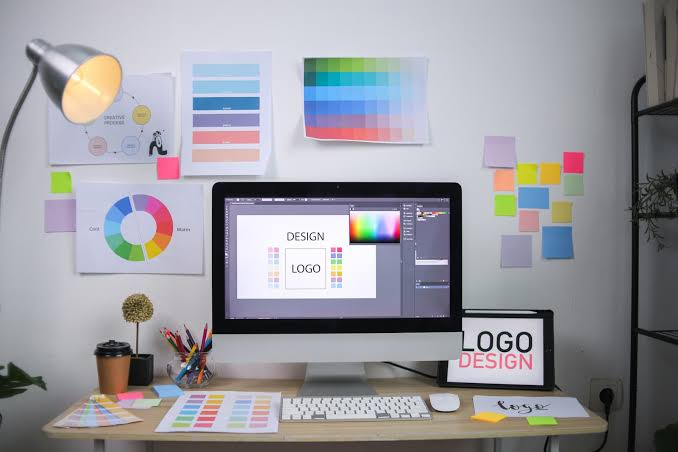
Every business communicates visually, whether it plans to or not. Your website, packaging, social media posts, brochures, invoices and even email signatures all shape how people judge you. When those pieces are designed with care and consistency, customers see a credible, confident business. When they are not, even a great product can struggle to earn attention. Professional graphic design turns scattered touchpoints into one coherent story.
Why Good Design Is a Business Tool
Design is not decoration. At its best, it helps customers understand what you offer, find what they need and remember you afterwards. A well-designed menu makes ordering easier. A clear brochure explains a complex service in seconds. A consistent social media look helps followers recognise your posts in a crowded feed.
Design also affects perceived value. Two businesses can sell identical products, but the one with polished, thoughtful presentation is often seen as more reliable and worth paying for. Investing in design is therefore not just a creative choice; it is a commercial one.
Core Services Businesses Commonly Need
Graphic design covers a wide range of work. The most common requests include:
- Logo and brand identity: the foundation that everything else builds upon.
- Marketing collateral: flyers, brochures, menus, presentations and sales sheets.
- Social media graphics: templates and campaign visuals that keep your feed consistent.
- Packaging and labels: the design that sits in a customer’s hands and on a retail shelf.
- Signage and display: shopfront signs, banners and event materials.
- Web and digital design: layouts and graphics that guide visitors toward taking action.
Many businesses start with one project, such as a logo, and gradually extend the same look to the rest of their materials as they grow.
The Difference Between Design and Branding
People often use the terms interchangeably, but they are not quite the same. Branding is the overall idea of who you are, what you promise and how you want to be perceived. Graphic design is the craft of expressing that idea visually. A strong designer works with both: understanding the strategy first, then creating visuals that communicate it clearly.
Choosing the Right Designer in a Crowded Market
Melbourne has a deep pool of creative talent, which is great for choice but makes the decision harder. A few questions can help you narrow the field:
- Does the designer ask about your goals and customers before sketching ideas?
- Does their portfolio show range, strategic thinking and results, not just attractive images?
- Do they explain their decisions in plain language you can understand?
- How do they handle revisions, timelines and communication?
- Will you receive editable files and usage guidelines at the end of the project?
Businesses looking for graphic design Melbourne support should pay particular attention to how a studio works with clients, not just what it produces. Steve’s Creative Space offers a design-led approach that helps businesses of different sizes and industries present themselves clearly and consistently across print and digital channels.
Common Design Mistakes to Avoid
Even well-intentioned businesses fall into some predictable traps:
- Too many fonts and colours. Restraint almost always looks more professional.
- Ignoring visual hierarchy. If everything shouts for attention, nothing is heard.
- Inconsistent branding. Slightly different logos or colours across channels weaken recognition.
- Designing for yourself. Your personal taste matters less than what appeals to your customers.
- Overcrowded layouts. White space is not wasted space; it helps readers focus.
- Low-quality files. Blurry logos and stretched images instantly signal carelessness.
How to Write a Useful Design Brief
A clear brief is the single best way to get better results and save time. Include:
- A short description of your business and what makes it different.
- Your target audience and what you want them to do after seeing the design.
- The size, format and where the design will be used.
- Examples of designs you like and dislike, with reasons.
- Your budget, deadline and who will approve the final work.
The more context a designer has, the less guesswork is involved and the fewer revisions you will need.
Print and Digital: Designing for Both
Many businesses need materials that work on screen and on paper. Print design requires attention to colour modes, bleed areas, paper stock and finishing. Digital design requires attention to screen sizes, loading speed and accessibility. A good designer prepares files correctly for each use, so your brand looks equally sharp on a business card and a mobile phone.
Getting the Most from a Design Project
Give consolidated feedback rather than sending comments piece by piece, as this keeps projects moving and avoids contradictory changes. Be specific about what is not working and why, rather than only describing a solution. Trust your designer’s expertise on matters such as layout and typography, while sharing your knowledge of your customers. Finally, ask for source files and a simple style guide at the end so you are never locked out of your own assets.
Keeping Your Design Consistent Over Time
Design is not a one-off task. As your business grows you will add new products, campaigns and channels. A short set of brand guidelines covering logo usage, colours, fonts and tone helps everyone, from staff to freelancers, produce materials that still look like they belong to the same business.
Conclusion
Strong graphic design helps a business look credible, communicate clearly and stay memorable. It shapes the first impression, supports every marketing effort and builds recognition over time. With a clear brief, realistic expectations and the right creative partner, design becomes one of the most valuable investments you can make in your brand’s long-term growth.