
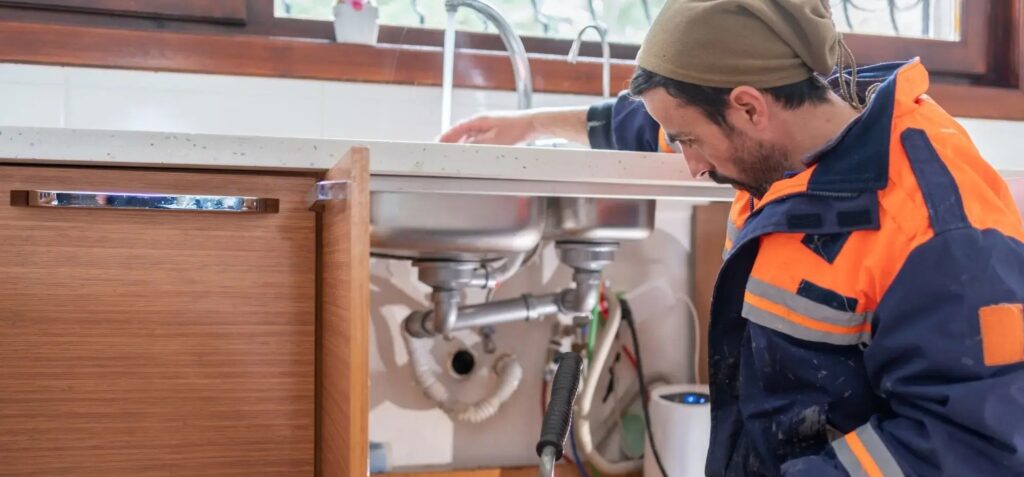
Pipes freeze in Queens every January, in houses that stood through 80 winters without a problem. A cold snap in the single digits, a drafty crawl space in Howard Beach, a pipe run along an uninsulated exterior wall in a Woodside kitchen, and the water stops. Every plumber Queens residents call during a cold snap is booked solid within hours, so knowing how to prevent a freeze and how to thaw one safely matters. Here is the full picture, from the first signs to the repair.
Which Pipes Freeze First
Pipes in unheated spaces freeze first: crawl spaces, garages, attics, and basements with open vents. Supply lines along exterior walls freeze next, especially in kitchens with a sink on an outside wall and in bathrooms over an unheated porch. Outdoor hose bibs and the pipe behind them freeze and split when a hose is left connected. Houses with a water meter in a pit near the sidewalk have a pipe that freezes there first. Pipes in enclosed areas with no heat, such as a closed cabinet under a sink against a brick wall, freeze when the house is warm. Galvanized and copper both freeze. Copper splits more often because it is rigid. PEX swells and usually survives a freeze, which is one reason repipes use it.
Signs a Pipe Has Frozen
A faucet that produces a trickle or nothing in weather below 20 degrees is the first sign. Frost on an exposed pipe. A bulge in a copper line. A toilet that will not refill. Only cold or only hot water at a fixture, which means one line froze and the other did not. A pipe that freezes solid may not leak until it thaws, which is why the water damage from a freeze often shows up the afternoon after the cold snap breaks, when the ice plug melts and the split opens up.
How to Thaw a Frozen Pipe Safely
Open the faucet the frozen pipe feeds, both hot and cold. Running water, even a trickle, carries heat into the ice and relieves pressure. Find the frozen section by feel: it will be colder than the rest, often frosted. Apply heat from the faucet end back toward the frozen spot, so melting water has somewhere to go. A hair dryer, a heat gun on low, warm towels, or a space heater pointed at the wall all work. Electric heat tape wrapped on the pipe works and can stay on for next time. Never use an open flame. A propane torch on a copper line in a wall cavity starts fires in old Queens houses every winter, and it can boil water inside the pipe and burst it. If the frozen section is inside a wall or under a slab and no heat reaches it, a plumber with a pipe-thawing machine, which runs low voltage current through the pipe, clears it in minutes.
How to Prevent Pipes from Freezing
Insulate exposed pipes in the basement, garage, and crawl space with foam sleeves, a $2-per-foot job. Seal the gaps where pipes pass through exterior walls and where cold air enters the basement around the rim joist. Disconnect garden hoses in November and install frost-free hose bibs on any exterior spigot that is not one already. Leave cabinet doors open under kitchen and bathroom sinks on exterior walls during a cold snap. Let faucets drip overnight when the forecast goes below 10 degrees, since moving water freezes slower. Keep the thermostat at 55 or above in a house that will be empty, and shut off the main and drain the lines if the house sits empty all winter. Heat tape on a known problem pipe, plugged into a GFCI outlet, ends the yearly ritual for about $40.
Repairing a Burst Pipe
A pipe that burst needs the main shut off first, at the valve where the service enters the basement. Every Queens homeowner should know where that valve is and should turn it once a year so it does not seize. Open the lowest faucet to drain the lines. A split in copper gets cut out and a new section soldered or joined with push-fit fittings, usually $200 to $500 for an accessible pipe. Splits inside finished walls cost more for the opening and the patching than for the pipe. Water that reached the ceiling below means drywall and insulation come out too. A split in a galvanized line is usually the point where the plumber recommends replacing that run in copper or PEX.
Insurance and What to Document
Homeowner policies in New York generally cover sudden pipe bursts and the water damage that follows, and generally deny claims when the house was left unheated or the water was not shut off in a vacant property. Photograph the split pipe before the plumber cuts it out, keep the section, and photograph every wet surface before drying begins. The plumber’s invoice should state the cause. Adjusters ask for all three.
Picture an Ozone Park bungalow with the kitchen sink on the north wall and a crawl space vent that never got closed. The sink freezes every January and thaws on its own every February. The third year the copper splits behind the cabinet and runs water into the crawl space for a day before anyone notices. Rerouting the supply line through the interior wall and closing the vent costs about $900. Three winters of a frozen sink cost more than that in ruined cabinets.
Queens Plumber Co
116-13 Queens Blvd, Forest Hills, NY 11375
(929) 499-0746
NY
11375