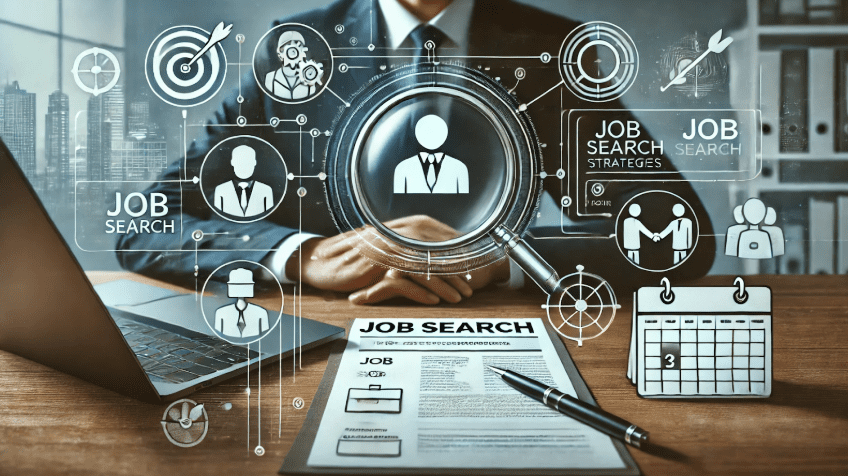
If you were searching for a job in the year 2000, you probably remember the thick Sunday newspaper, the smell of ink on your fingers, and the red pen you used to circle job ads. You may have also filled out paper applications, faxed résumés, or waited by the landline phone hoping an employer would call back. The job market moved at a slow, steady pace, and most opportunities were limited to local companies.
Fast forward to today—everything has changed. Now job seekers browse openings online from their phones, apply instantly with one click, tailor digital résumés, participate in video interviews, and connect with employers across the world without ever stepping outside.
This transformation has reshaped what it means to search for work, how employers hire, and the skills candidates need to stand out. Below is a detailed breakdown of how job searching has evolved from 2000 to 2025, and why today’s digital-first landscape is almost unrecognizable compared to two decades ago.
1. The Year 2000: A Slower, Paper-Based Job Market
Job searching in 2000 relied heavily on traditional, offline methods. The tools were simple, manual, and time-consuming. Most job seekers followed a familiar process:
- Newspaper classifieds were the central source of job listings.
- Printed résumés were hand-delivered or mailed to employers.
- Fax machines were used for sending applications.
- Phone calls were the primary method for follow-ups.
- Networking happened at in-person meetings, job fairs, or through referrals.
- Walk-in applications were common, especially in retail or hospitality.
- Local jobs dominated the market—finding work in another city or state was difficult without physically being there.
The hiring process was slower, but competition was often lower. Employers received fewer applicants, but job seekers had limited visibility into available roles. It was common to spend weeks waiting for a response.
2. 2005–2015: The Rise of Online Job Boards
The internet began taking over the job search process in the early 2000s, but the real shift happened mid-decade. Job boards like Monster, Careerjet, Jobs4Days and CareerBuilder changed everything by moving listings online.
This era introduced several important innovations:
- Digital résumé uploads replaced printed documents.
- Job boards became the modern “classified ads.”
- Companies built online career pages.
- Email communication replaced letters and faxing.
- The first Applicant Tracking Systems (ATS) appeared.
- Keyword searches made job hunting faster and more targeted.
Job boards expanded opportunities by giving job seekers access to thousands of listings. As a result, competition grew. Employers now received a much larger volume of candidates, leading to automated screening tools and keyword-based filters.
This was the start of the modern, fast-paced job search—but it was just the beginning.
3. 2020–2025: AI, Instant Applications & Digital Hiring
The job search process from 2020 onward has evolved into a full digital ecosystem. Technology now influences nearly every step—from discovering a job to completing the interview.
Here’s how job searching looks today:
AI-Driven Job Matching
Algorithms analyze your experience and recommend jobs tailored to your skills and interests.
One-Click Applications
Job seekers can apply for jobs online instantly using stored résumés and profile data.
Mobile Job Hunting
Applications, alerts, and job notifications come straight to your smartphone.
Digital Résumés & Portfolios
Online tools create polished, professional documents optimized for ATS screening.
Virtual Interviews
Video calls have replaced many in-person interviews, especially for first-round screenings.
Automated Assessment Tools
Employers now evaluate skills through:
- Online tests
- Coding challenges
- Personality assessments
- AI-driven screening exercises
Social Media Recruiting
Platforms like LinkedIn, Facebook, Instagram, and even TikTok are now part of the hiring pipeline.
The modern system is fast, global, and tech-heavy—providing more opportunities but also more competition.
4. What Today’s Job Seekers Need to Do Differently
Because the hiring world is more digital and competitive, job seekers must use new strategies to stand out. Here’s what matters most in 2025:
- Build a strong online presence, especially on LinkedIn.
- Customize every résumé to match the job description.
- Use clean, ATS-friendly formatting to avoid rejection by automated filters.
- Expand digital networking, joining groups, forums, and industry communities.
- Refresh skills regularly through online certifications and short courses.
- Prepare for virtual interviews with proper lighting and background.
- Monitor job alerts and respond quickly to new listings.
- Track all applications using online dashboards or spreadsheets.
The days of submitting one résumé to dozens of companies are gone. Today’s job seekers must be strategic and digitally active.
5. Job Searching in 2000 vs. Job Searching Today
Here are the major differences:
How job searching worked in 2000:
- Résumés were printed and physically delivered.
- Most job ads appeared in newspaper classifieds.
- Applications were submitted in person or via fax.
- Interviews were almost always face-to-face.
- Networking happened at local events or through personal referrals.
- Recruiters sorted applications manually.
- Hiring took days, weeks, or even months.
How job searching works today:
- Résumés are digital and ATS-optimized.
- Job boards and AI-driven platforms offer thousands of listings.
- One-click, online applications dominate.
- Interviews happen through video calls and virtual platforms.
- Networking occurs globally through social media.
- Recruiters use automation and AI for filtering candidates.
- Hiring can move quickly—sometimes within hours.
This comparison shows just how dramatically the hiring world has evolved.
6. Winning the Modern Job Search: Strategies for Today’s Market
The best tips to finding a job in 2025 involve blending traditional professionalism with modern digital tools:
- Keep your résumé updated and optimized for ATS algorithms.
- Use multiple job boards to increase your exposure.
- Follow companies online and apply as soon as new positions appear.
- Build strong relationships with recruiters on LinkedIn.
- Create an impressive digital portfolio or website showcasing your work.
- Use AI tools to refine your résumé and cover letter—but always personalize them.
- Learn in-demand skills using free or low-cost online platforms.
- Participate in virtual job fairs, webinars, and industry meetups.
Candidates who take a strategic, modern approach stand out faster and make stronger impressions.
7. What the Future of Job Searching Will Look Like
The next few years will bring even more innovation. Expect:
- A shift toward skill-based hiring over traditional degrees
- More AI-analyzed video interviews
- Job boards that provide personalized career paths
- Predictive alerts for jobs before they’re posted
- A larger global remote workforce
- Digital badges and skills verification systems
Job searching will continue to move toward automation, personalization, and global opportunities.
Final Thoughts
Looking back at the year 2000, it’s clear that job searching has undergone one of the biggest transitions in modern career history. While the old methods were slower, they were simpler. Today’s process moves quickly, uses smarter technology, and connects job seekers with employers anywhere in the world.
For candidates who understand the digital landscape—and use the right tools—the modern job market offers endless opportunities. Those who adapt will thrive in this fast-paced, connected hiring environment.