
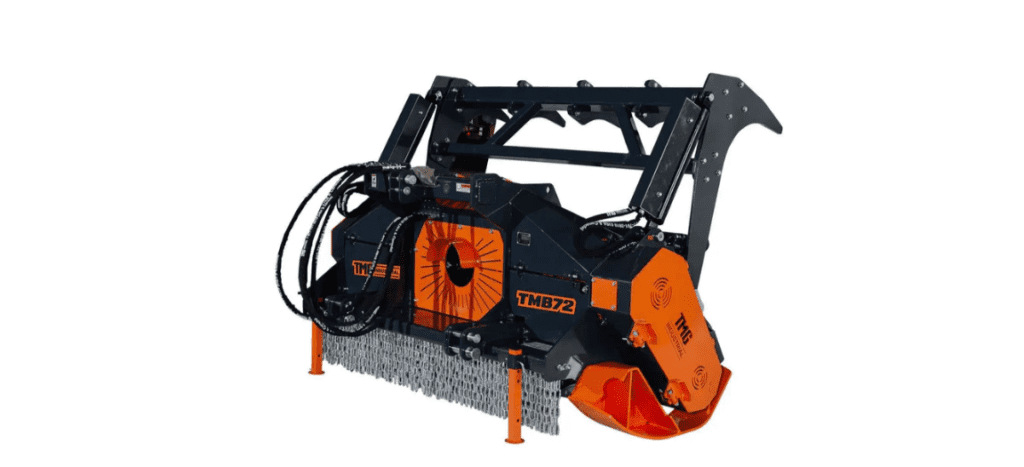
Across Canada, land management, forestry maintenance, and infrastructure development often require efficient vegetation control. Dense brush, small trees, and woody debris can slow construction, restrict access to transportation corridors, and increase fire risks in rural regions. Equipment such as a 70″ Forestry Brush Mulcher helps equipment operators manage vegetation while maintaining safe and organized work areas.
Canada has large forestry zones, expanding transportation infrastructure, and wide agricultural regions. These conditions create regular demand for vegetation control tools that can process brush and wood material directly on site. Forestry mulchers provide a mechanical solution that converts brush and small trees into mulch, reducing the need for material removal or burning.
Industrial Context and Importance in Canada
Vegetation management is essential for industries such as forestry, utilities, construction, and land development. Utility corridors, pipelines, and rural roads require regular clearing to maintain safe access and reduce environmental risks. In many regions of Canada, seasonal vegetation growth can quickly obstruct operational areas.
Forestry brush mulchers allow operators to cut and grind vegetation during a single pass. This method supports site preparation for construction projects, improves access to remote facilities, and assists forestry operations that manage timber resources.
Common Operational Applications
- Clearing brush from construction and development sites
- Maintaining roadside vegetation along transport routes
- Preparing land for agricultural use
- Supporting forestry management and timber access roads
- Controlling vegetation near industrial infrastructure
Efficiency and Productivity Benefits
Traditional brush removal methods often involve cutting vegetation manually and transporting debris away from the work site. These steps require time, labor, and additional equipment. Forestry mulchers streamline this process by cutting and processing vegetation into mulch directly on the ground.
Operational efficiency improves through several factors:
- Single step vegetation processing
- Reduced need for debris collection
- Improved access to remote work locations
- Lower labor requirements for brush clearing
For warehouse managers and logistics planners working on construction support projects, efficient land preparation can shorten project timelines and reduce operational costs.
Technical Structure and Operating Principles
A forestry brush mulcher connects to a tractor using a three point hitch system. Power is transferred from the tractor through a power take off shaft to the mulcher rotor. The rotor contains cutting teeth that rotate at high speed, shredding brush and small trees into small pieces.
Key Mechanical Components
- Heavy steel rotor designed for vegetation cutting
- Widia cutting teeth that grind wood material
- Protective housing that directs mulch downward
- Three point hitch connection for tractor mounting
- Power take off shaft for mechanical power transfer
Equipment manufacturers such as TMG Industrial produce forestry attachments that integrate with agricultural and industrial tractors commonly used in land management operations.
Factors That Influence Equipment Performance
Several operating conditions affect the effectiveness of forestry mulchers during vegetation management tasks.
- Horsepower capacity of the tractor
- Density and thickness of vegetation
- Condition of cutting teeth
- Rotor speed and power transmission efficiency
- Ground conditions and terrain stability
Regular inspection of cutting components and proper machine setup are necessary to maintain stable performance during heavy duty clearing operations.
Safety Considerations and Best Practices
Vegetation clearing equipment operates with high speed cutting components, which makes safety procedures essential. Operators should follow proper guidelines to reduce operational risks.
- Inspect cutting teeth and rotor housing before operation
- Ensure the power take off shaft guard is installed
- Maintain safe distance from other personnel
- Avoid operating equipment on unstable terrain
- Wear protective equipment such as helmets and eye protection
These practices support safe vegetation management in forestry and infrastructure environments.
Supporting Equipment and Attachments
Vegetation management projects often involve multiple machines and tools working together across the work site.
- Agricultural tractors used as the main power unit
- Front end loaders for debris movement
- Transport trailers for equipment relocation
- Chainsaws used for large tree removal
- Protective barriers around active clearing areas
Advantages and Operational Limitations
Advantages
- Efficient processing of brush and small trees
- Reduced need for debris transportation
- Improved access to cleared work areas
- Compatibility with agricultural tractor systems
Limitations
- Requires sufficient tractor horsepower
- Cutting teeth require periodic replacement
- Performance may decrease in rocky terrain
Example of Real World Application
A regional infrastructure project in Alberta required vegetation clearing along a rural access road used for construction equipment transport. A tractor equipped with a forestry brush mulcher processed brush and small trees along the roadside corridor.
By converting vegetation into mulch directly on the ground, the project team reduced debris removal requirements and maintained continuous access for heavy equipment delivery vehicles.
Conclusion and Future Industry Trends
Forestry brush mulchers support land management and industrial preparation tasks across forestry, construction, and infrastructure sectors. Their ability to cut and process vegetation directly on site helps reduce operational complexity while improving productivity.
Future developments in vegetation management equipment may include improved rotor durability, enhanced cutting materials, and better integration with high horsepower tractors. As land management requirements continue to grow in Canada, forestry mulchers will remain an important tool for safe and efficient vegetation control.