
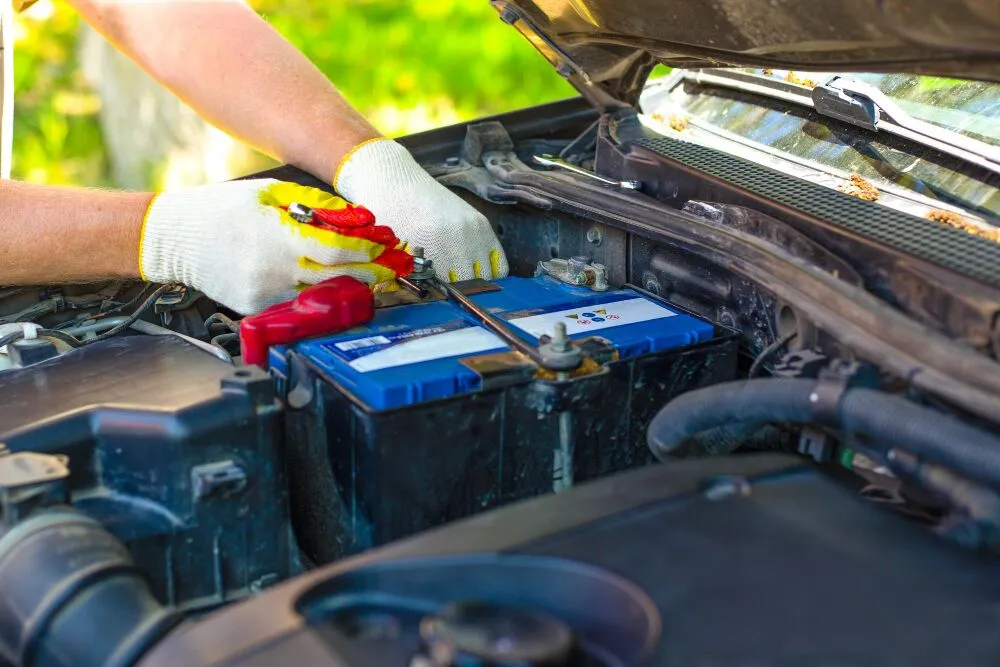
People often tend to underrate car batteries. Sounds familiar? Do you also hardly pay any heed until the car engine refuses to start? It’s only then that you realise the importance of this hidden heavy lifter of the system. It would not be wrong to say that car batteries are the most important components.
These are multitaskers. They power your headlights, ignition, etc., and support your entertainment systems and air conditioning. The best battery is the one that is capable of running all the necessary functions of your vehicle to its utmost calibre.
In this article, we will explore the most popular types of car batteries available today. We’ll break down their features, some necessary technical specs, ideal use cases, and what makes them a good—or not-so-good—choice for long-term reliability and performance. By the end, you will be better equipped to choose the right battery for your driving lifestyle.
Why Car Battery Type Matters
Not all car batteries are built the same. Each type differs in terms of build technology, maintenance needs, lifespan, performance in different temperatures, and ability to support modern vehicle electronics. Choosing the right battery ensures:
- Reliable cold-weather starting
- Smooth functioning of electrical systems
- Fewer replacements over the years
- Compatibility with your car’s design and energy needs
Types of Car Batteries Explained
Let’s explore the most common car battery types and what they offer.
1. Flooded Lead-Acid Batteries (FLA)
Also known as wet-cell batteries. These are the oldest and most widely used car batteries. Inside, they contain liquid electrolytes (a mix of water and sulfuric acid) and lead plates. The chemical reaction between them generates electricity.
Technical Details:
- Voltage: 12V
- Maintenance: Needs periodic refilling of distilled water
- Charge cycle: Moderate
- Life expectancy: 3–5 years with proper care
Benefits:
- Affordable
- Available almost everywhere
- Simple construction and repair
Not Ideal If:
- You don’t want to check electrolyte levels
You often drive in extreme heat or cold
Tip: FLA batteries perform best with regular, longer drives that keep them charged. Avoid frequent short trips.
2. Maintenance-Free Flooded Lead-Acid Batteries
A modern upgrade of the traditional lead-acid type, these sealed versions offer similar performance without the hassle of checking fluid levels. Some are even designed with advanced internal structures (like calcium-calcium alloy plates) to minimise corrosion and extend battery life.
Technical Details:
- Voltage: 12V
- Maintenance: None required
- Charge cycle: Moderate to high
- Life expectancy: 4–6 years
Benefits:
- Zero maintenance
- Reduced water loss
- Vibration-resistant designs
- Longer durability in city traffic conditions
These car batteries are for drivers who have to travel both in the city and on the highway. So, if you are one and need a reliable and low-maintenance battery, this type aligns well.
3. AGM Batteries
Absorbent Glass Mat car batteries are actually premium versions of lead-acid types. AGM has a fibreglass mat to absorb the electrolyte. This makes them spill-proof and more durable. These batteries are designed to support cars with high electrical demands (start-stop systems, infotainment, GPS, etc.).
Technical Details:
- Voltage: 12V
- Maintenance: Maintenance-free
- Charge cycle: High
- Life expectancy: 5–7 years
Benefits:
- Withstands frequent engine starts
- High performance in cold weather
- Leak-proof and shock-resistant
Downsides:
- Expensive
- It can be overkill for standard vehicles
Tip: If your vehicle has start-stop tech, AGM is often the default battery type.
4. EFB (Enhanced Flooded Battery)
An improved version of the flooded lead-acid battery, EFBs are designed to handle more starts than regular batteries. They are often used in entry-level start-stop vehicles.
Technical Details:
- Voltage: 12V
- Maintenance: Maintenance-free
- Charge cycle: Medium to high
- Life expectancy: 4–5 years
Benefits:
- Better performance than regular flooded batteries
- More affordable than AGM
- Reliable for light start-stop systems
Not Ideal If:
You need premium performance or power-hungry accessory support
5. Gel Cell Batteries
These use a gel-like substance instead of liquid acid. They are great for off-road vehicles, boats, and ATVs, where vibration and tilt resistance matter most.
Technical Details:
- Voltage: 12V
- Maintenance: None
- Charge cycle: High
- Life expectancy: 4–6 years
Benefits:
- Excellent vibration resistance
- Leak-proof, even when upside down
- Works well in extreme temperatures
Downsides:
- Sensitive to overcharging
- Not suitable for most daily driver cars
6. Lithium-Ion Batteries
Common in electric and hybrid vehicles, these are the most technologically advanced and expensive battery types. They’re lightweight, efficient, and long-lasting.
Technical Details:
- Voltage: Varies (48V+ for EVs)
- Maintenance: None
- Charge cycle: Very high
- Life expectancy: 7–10 years
Benefits:
- Fast charging
- High energy density
- Long life span
Downsides:
- High cost
- Limited compatibility with traditional fuel-based vehicles
Quick Battery Care Tips
- Drive Often: Letting a battery sit unused shortens its life.
- Check Terminals: Clean corrosion for better connection.
- Test Annually: Especially before winter months.
- Avoid Short Trips: They prevent full recharging.
- Use a Battery Maintainer: If storing your car for weeks.
Car Battery Type Comparison Table
|
Battery Type |
Maintenance |
Lifespan |
Cost |
Vibration Resistant |
Ideal For |
|
Flooded Lead-Acid (FLA) |
High |
3–5 years |
Low |
Moderate |
Budget-conscious users |
|
Maintenance-Free Lead-Acid |
None |
4–6 years |
Mid |
High |
Everyday city/highway drivers |
|
AGM |
None |
5–7 years |
High |
Very High |
Start-stop & luxury vehicles |
|
EFB |
None |
4–5 years |
Mid-High |
Moderate |
Entry-level start-stop cars |
|
Gel Cell |
None |
4–6 years |
High |
Very High |
Off-road, rugged terrain |
|
Lithium-Ion |
None |
7–10 years |
Very High |
High |
Electric/hybrid vehicles |
Which is the Best Car Battery for Your Needs?
Here’s a simplified takeaway to help you choose:
- Budget Buyer? Go with regular flooded batteries.
- Daily Driver Who Wants Reliability? A maintenance-free flooded battery is ideal. It gives a solid performance and long life, which is especially great for city driving.
- Premium Car with Start-Stop Tech? Consider AGM.
- Off-Roader or Camper? Gel cells give stability.
- Own an EV or Hybrid? Lithium-ion is your go-to.
Tip: If you are a person who wants a long-lasting, easy-to-handle battery for everyday use in Indian conditions, like frequent starts, rough roads, and temperature swings—go for lead-acid batteries. The lead-acid car batteries with calcium alloy plates are a smart choice:
- Maintenance-free
- Longevity
- Vibration resistance
- Affordability
Conclusion
So, now you have enough idea of what to choose and what not. Choose the best car battery that is the right fit for your vehicle, driving style, and climate. Do not go for the most expensive or the most high-tech types. Rather, choose a quality battery that can make your journey smoother and your car more dependable.
Take the time to understand your needs, and you will get years of reliable performance without surprises when you turn the key.