
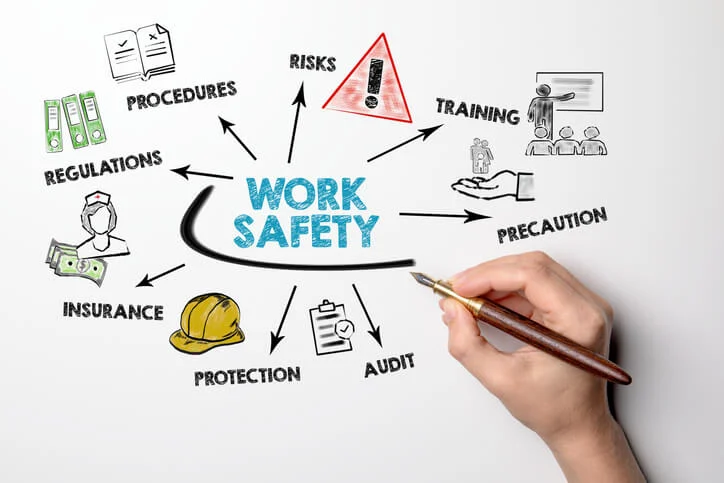
Maintaining safety in the workplace is essential for businesses that want to protect their employees, ensure legal compliance, and promote a productive, healthy work environment. Whether a business operates in an office, factory, or construction site, safety should be a top priority. In this article, we will explore the best practices businesses can implement to ensure the safety of their employees, with a special focus on fire safety and fire suppression systems.
1. Develop a Safety Culture
Creating a culture of safety is the foundation of any successful safety program. This involves making safety an integral part of the company’s values and daily operations. Employees should be encouraged to speak up about potential hazards, and management must lead by example.
Key Actions:
- Regularly communicate the importance of safety through meetings and training.
- Promote open discussions about safety concerns.
- Reward safe behavior and practices.
2. Regular Safety Training and Education
Regular training ensures that all employees are aware of potential hazards and know how to handle them. Safety training should cover general safety practices, emergency protocols, and industry-specific risks. This can range from learning how to properly lift heavy objects to understanding how to handle hazardous materials.
Key Actions:
- Implement regular safety drills.
- Provide training on workplace-specific risks, like machinery operation or chemical handling.
- Ensure new employees undergo thorough safety training upon hiring.
3. Implement Proper Personal Protective Equipment (PPE) Usage
For many industries, personal protective equipment (PPE) is a critical component of workplace safety. PPE, such as hard hats, gloves, safety goggles, and hearing protection, helps protect employees from workplace hazards.
Key Actions:
- Provide all necessary PPE and ensure it is in good condition.
- Educate employees on the importance of wearing PPE and how to use it correctly.
- Conduct regular checks to ensure PPE is being worn properly.
4. Maintain Safe Workspaces
A cluttered or poorly maintained workspace is a breeding ground for accidents. Businesses should ensure that workspaces are well-organized and free from obstacles. This includes proper storage, clear walkways, and regular cleaning schedules to eliminate potential hazards.
Key Actions:
- Keep aisles and doorways clear of obstructions.
- Implement regular cleaning schedules.
- Provide appropriate storage solutions to keep equipment and materials organized.
5. Create Emergency Response Plans
An emergency response plan is crucial in guiding employees on what to do in the event of a crisis, such as a natural disaster, a medical emergency, or a fire. This plan should be tailored to the specific risks that the business faces, and all employees should be familiar with it.
Key Actions:
- Develop and implement emergency evacuation plans.
- Ensure emergency contact numbers are easily accessible.
- Conduct periodic drills to ensure everyone knows their role during an emergency.
6. Fire Safety and Fire Suppression Systems
Fire safety is a critical aspect of workplace safety that businesses cannot afford to overlook. Fires can cause severe damage to property and put the lives of employees at risk. Installing fire suppression systems and ensuring employees understand fire safety protocols are essential steps in preventing fire-related accidents.
Key Actions for Fire Safety:
- Install Fire Suppression Systems: A fire suppression system is an automatic firefighting system designed to detect and suppress a fire in its early stages. These systems are invaluable in environments with high fire risks, such as manufacturing plants, chemical storage areas, or kitchens in restaurants. Common fire suppression systems include sprinklers, gaseous systems, and foam systems.
- Ensure Adequate Fire Extinguishers: Fire extinguishers should be placed in easily accessible areas, particularly near high-risk areas like kitchens, electrical panels, or near flammable materials. Staff should be trained on the correct use of fire extinguishers.
- Fire Drills: Conduct regular fire drills to ensure all employees know the emergency evacuation routes and assembly points. Fire drills help familiarize employees with the sound of the fire alarm and reduce panic during an actual emergency.
- Clear Emergency Exits: Make sure all emergency exits are clearly marked, unobstructed, and lead to safe assembly areas. Employees should be able to exit the building quickly and safely in the event of a fire.
- Regular System Inspections: Fire suppression systems, fire alarms, and fire extinguishers should undergo regular inspections and maintenance to ensure they are in working order when needed. Businesses should work with fire safety professionals to schedule these inspections.
7. Monitor and Improve
Safety practices should not be static. It’s important to continually monitor the effectiveness of the safety measures in place and make improvements where necessary. This could include regular safety audits, gathering feedback from employees, and updating safety protocols based on changes in regulations or workplace conditions.
Key Actions:
- Perform regular safety audits.
- Act on employee feedback to improve safety practices.
- Stay informed about changing workplace safety laws and regulations.
8. Compliance with Local Safety Regulations
Every business must comply with the safety regulations set forth by local, state, or federal authorities. These regulations cover a wide range of topics, from OSHA standards to environmental health rules. By ensuring compliance with these regulations, businesses avoid legal risks and help ensure employee safety.
Key Actions:
- Familiarize yourself with the Occupational Safety and Health Administration (OSHA) standards and other relevant regulations.
- Maintain accurate records of safety training and inspections.
- Consult with safety experts or legal advisors to ensure compliance.
Conclusion
Maintaining a safe workplace is a continuous effort that requires commitment from every level of the organization. By developing a safety-conscious culture, providing ongoing training, and installing critical systems like fire suppression technologies, businesses can significantly reduce the risk of workplace accidents and protect their most valuable asset— their employees. Regular monitoring and compliance with safety regulations will help businesses maintain a safe, productive, and legally compliant work environment for years to come.