
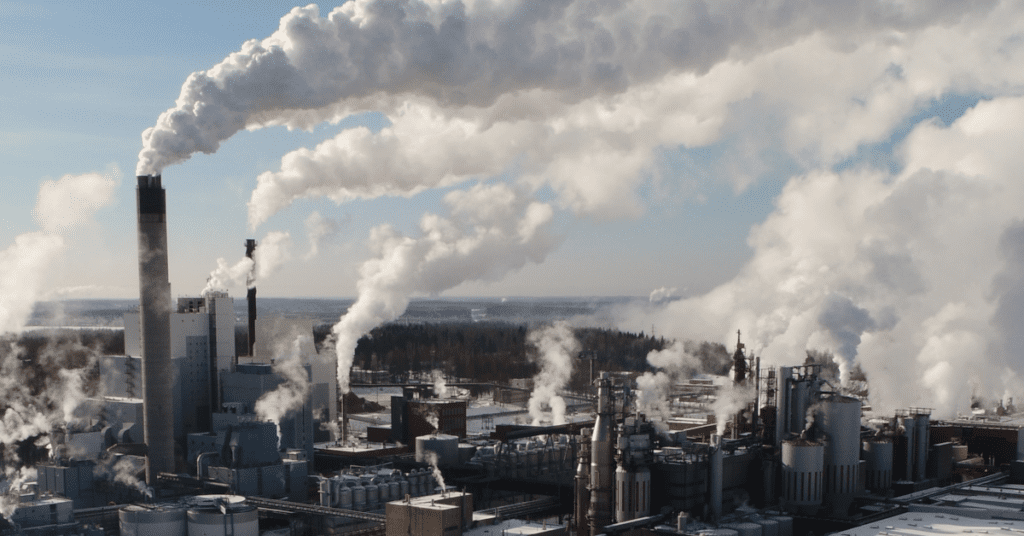
Introduction to Coal vs. Oil Steam Boilers:
Steam boilers are essential components of various industrial processes, providing a means to generate steam for heating, power generation, and other applications. Two familiar sources of fuel for steam boilers are coal and oil. Each fuel type has its own set of characteristics, advantages, and disadvantages that influence its usage in steam boiler systems.
Coal Steam Boilers: Coal has historically been a prominent source of energy for steam generation due to its widespread availability and relatively low cost. Coal-fired steam boilers involve the combustion of coal to produce heat, which is then transferred to water to generate steam. Here are some key features and considerations related to coal steam boilers:
- Fuel Source: Coal is a solid fossil fuel mined from the Earth’s crust. It’s available in various grades and types, such as anthracite, bituminous, and sub-bituminous coal.
- Combustion Process: Coal combustion involves burning the coal in a combustion chamber to release heat energy. This heat is transferred to water, which turns into steam.
- Efficiency: Older coal-fired boilers might have lower combustion efficiency and higher emissions compared to modern designs. However, advanced technologies and equipment have led to improvements in efficiency and emissions control.
- Environmental Concerns: Coal combustion is a major contributor to air pollution and greenhouse gas emissions, primarily due to its high carbon content. As a result, there has been a global push to transition away from coal to reduce environmental impacts.
Oil Steam Boilers: Oil-fired steam boilers utilize petroleum-based fuels to generate heat and produce steam. These boilers offer certain advantages and considerations that distinguish them from their coal-fired counterparts:
- Fuel Source: Oil, particularly petroleum-based products like diesel and heavy fuel oil, is a liquid fossil fuel derived from crude oil refining processes.
- Combustion Process: Oil is burned in a combustion chamber to generate heat, which is then transferred to water to produce steam. The combustion process is typically more controlled and efficient compared to coal combustion.
- Emissions: While oil combustion generates fewer particulate emissions compared to coal, it can still produce pollutants such as sulfur dioxide and nitrogen oxides. Emissions control technologies can help minimize these impacts.
- Storage and Handling: Liquid oil fuels are generally easier to store, transport, and handle compared to solid coal. This can lead to greater operational flexibility and convenience.
In summary, the choice between coal and oil steam boilers depends on factors such as fuel availability, cost, environmental considerations, and regulatory requirements. Both fuel types have their advantages and challenges, but the global trend is moving toward cleaner and more sustainable energy sources to address environmental concerns.
Which boiler is better for your business?
The choice between a coal steam boiler and an oil steam boiler for our business hinges on a variety of factors that encompass economic, environmental, and operational considerations. While coal-fired steam boilers have historically provided a cost-effective solution due to their lower fuel costs, we recognize the growing urgency of environmental concerns. Modern oil-fired steam boilers offer greater combustion efficiency and emit fewer pollutants, aligning well with our commitment to minimizing our carbon footprint and adhering to evolving emissions regulations. Furthermore, the convenience of handling liquid oil fuels compared to solid coal steam boilers could lead to smoother operational logistics.
Environmental Impacts of Coal and Oil Steam Boilers:
Both coal and oil steam boilers have significant environmental impacts that stem from their combustion processes and the emissions they produce.
Environmental Impacts of Coal Steam Boilers:
- Air Pollution: Coal combustion releases a range of pollutants into the atmosphere, including sulfur dioxide (SO2), nitrogen oxides (NOx), particulate matter (PM), and volatile organic compounds (VOCs). These pollutants contribute to smog, acid rain, and respiratory health issues in humans.
- Greenhouse Gas Emissions: Coal is a high-carbon fuel, and burning it releases large amounts of carbon dioxide (CO2) into the atmosphere. CO2 is a major contributor to global warming and climate change, exacerbating the greenhouse effect.
- Ash Disposal: Coal combustion produces ash as a byproduct, which can contain heavy metals and other toxic substances. Proper disposal of coal ash is essential to prevent water contamination and ecosystem damage.
- Land and Water Use: Coal mining can lead to habitat destruction, soil erosion, and water pollution through runoff from mining activities. The water used in coal processing and plant cooling also impacts local water resources.
Environmental Impacts of Oil Steam Boilers:
- Air Pollution: While oil combustion produces fewer particulate emissions compared to coal, it still emits pollutants such as sulfur dioxide and nitrogen oxides. These pollutants contribute to respiratory issues and environmental damage.
- Greenhouse Gas Emissions: Oil-fired boilers also emit carbon dioxide when burned, contributing to the accumulation of greenhouse gases in the atmosphere and global warming.
- Oil Spills and Leaks: Transporting and storing oil presents the risk of spills and leaks, which can have catastrophic effects on ecosystems and aquatic life, as demonstrated by historical oil spill disasters.
- Refining Processes: The extraction and refining of oil involve energy-intensive processes and can lead to environmental degradation, particularly in regions with inadequate regulatory oversight.
In both cases, advancements in technology and emissions control have led to improvements in minimizing the environmental impacts of steam boilers. Technologies such as scrubbers, electrostatic precipitators, and emissions monitoring systems can help reduce pollutants released into the air. Additionally, the adoption of cleaner energy sources and the development of renewable alternatives to coal and oil are crucial steps in mitigating the environmental impacts associated with steam boiler operations.
Given the mounting concerns about climate change and air quality, many industries are increasingly transitioning to cleaner energy options and exploring ways to improve energy efficiency while reducing their environmental footprint.
How are coal and oil steam boilers different?
Coal and oil steam boilers differ in several key aspects, from their fuel sources and combustion processes to their environmental impacts. Coal steam boilers utilize solid fossil fuel, coal, as their energy source. One significant difference lies in their combustion characteristics. Oil combustion, while emitting fewer particulates, still releases pollutants and greenhouse gases. Additionally, oil-fired boilers tend to exhibit higher combustion efficiency due to the nature of liquid fuel combustion.
Environmental impacts distinguish the two as well. Coal-fired boilers have been associated with severe air pollution, acid rain, and substantial greenhouse gas emissions due to coal’s high carbon content. Coal mining can lead to habitat disruption and water pollution. In contrast, while oil combustion produces fewer particulates, it contributes to air pollution and greenhouse gas emissions, and oil spills from transportation and storage pose environmental risks.
In summary, coal and oil steam boilers vary in fuel type, combustion efficiency, and environmental consequences. Modern considerations for sustainability and emissions reduction have led many industries to explore alternatives to both coal and oil, seeking cleaner and more environmentally responsible energy sources.
How can you reduce the environmental impact of your steam boiler?
Reducing the environmental impact of an oil steam boiler involves a combination of operational practices, technological upgrades, and fuel source transitions. Here are several strategies to consider:
- Efficiency Improvements: Upgrade your boiler to a more efficient model. High-efficiency boilers utilize advanced combustion technology and heat recovery systems to maximize energy output while minimizing fuel consumption.
- Emissions Control Equipment: Install emissions control technologies like scrubbers, electrostatic precipitators, and selective catalytic reduction (SCR) systems to reduce pollutants like sulfur dioxide, nitrogen oxides, and particulates.
- Regular Maintenance: Proper maintenance and tuning of the boiler can optimize combustion efficiency and minimize emissions. Regular inspections, cleaning, and calibration are crucial.
- Energy Management: Implement energy management practices to ensure the boiler is operated at optimal conditions, avoiding unnecessary fuel consumption and emissions.
- Heat Recovery: Utilize heat recovery systems to capture and repurpose waste heat from the flue gases for other processes or heating applications, improving overall system efficiency.
- Insulation: Adequately insulate pipes, valves, and other components to minimize heat loss, ensuring that more energy is used for steam generation and less is wasted.
- Operational Practices: Train operators to follow best practices, such as proper load management, efficient startup and shutdown procedures, and optimizing combustion settings.
- Lifecycle Analysis: Consider the entire lifecycle environmental impact of your boiler, including fuel extraction, transportation, and disposal. This holistic approach can inform decisions on fuel sources and technology upgrades.
- Environmental Certifications: Loko for industry certifications or standards that emphasize ecological performance, such as ENERGY STAR for boilers, to guide your choices.
By adopting a combination of these strategies, businesses can significantly reduce the environmental impact of their steam boilers while simultaneously improving energy efficiency and operational reliability. The ultimate goal is to achieve a balance between energy needs and environmental responsibility.
Conclusion:
In conclusion, the choice between coal and oil steam boilers, once predominant in industrial processes, is now influenced by a paramount concern for environmental sustainability. Coal steam boilers, characterized by their historical affordability, are burdened with significant drawbacks, including high emissions of pollutants and greenhouse gases, along with the ecological toll of coal mining and combustion. On the other hand, oil steam boilers offer better combustion efficiency and reduced particulate emissions, yet they still contribute to air pollution and climate change through carbon emissions and potential oil spills.
Furthermore, operational excellence, including maintenance practices, heat recovery systems, and energy management, can significantly enhance efficiency and reduce environmental impact.
In the face of mounting environmental concerns and evolving regulatory landscapes, the steam boiler industry stands at a crossroads. The journey toward sustainable steam generation demands a comprehensive strategy that marries technological innovation with responsible fuel choices and operational practices. Ultimately, the transformation of steam boilers reflects the broader transition toward a greener and more responsible industrial landscape, where economic progress harmonizes with the well-being of our planet and future generations.