
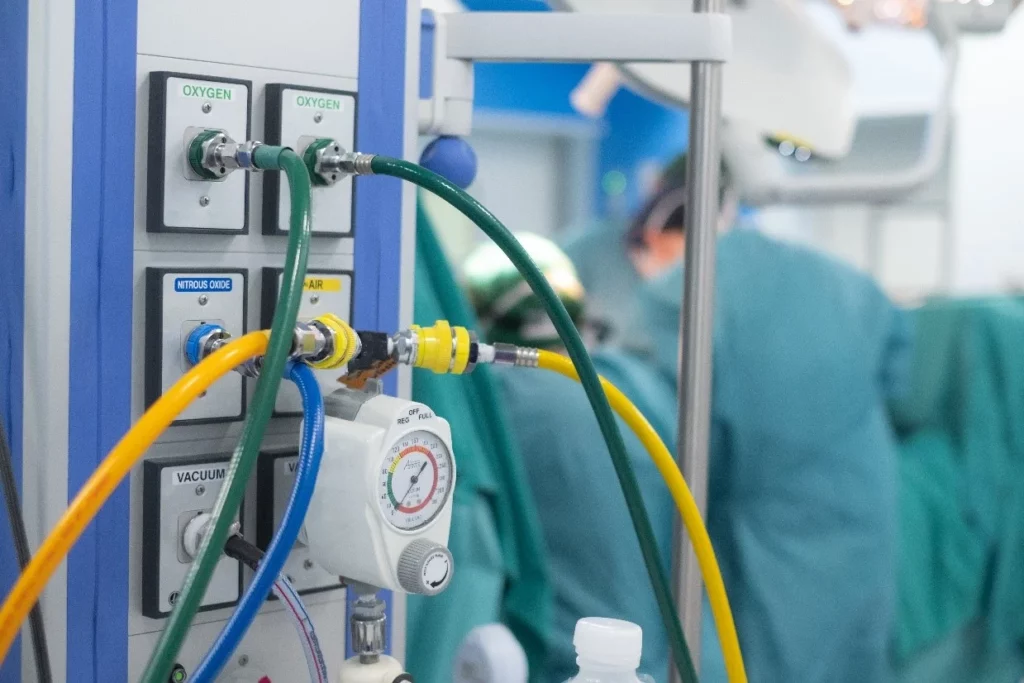
Modern healthcare demands medical gas systems that operate flawlessly, supplying critical gases like oxygen and nitrous oxide without interruption.These systems supply oxygen, nitrous oxide, medical air, and other essential gases needed for surgery, intensive care, and emergency treatment. However, when the infrastructure becomes outdated or poorly maintained, the reliability of these systems diminishes—placing patients and medical staff in jeopardy.
System failures, gas contamination, or pressure drops can lead to life-threatening situations, making medical gas installation upgrades a necessity rather than an afterthought. Healthcare facilities must ensure their systems meet the latest safety standards while also improving efficiency and compliance.
Here’s what healthcare facility managers, contractors, and technicians need to know about the importance of upgrading medical gas systems—and how those upgrades can directly enhance patient safety.
The Importance of Modern Medical Gas Systems
Outdated or poorly maintained medical gas systems can have catastrophic consequences. This is why organizations like the National Fire Protection Association (NFPA 99) categorize medical gas systems as Category 1—meaning a failure could result in serious injury or death. Healthcare facilities cannot afford to take chances with these systems. Regular inspections and preventative maintenance are essential, but strategic system upgrades ensure patient safety remains the top priority.
Identifying Risks in Aging Medical Gas Systems
Before making any upgrades, facilities need to assess the risks associated with aging medical gas infrastructure. Some of the most common problems include:
- Corroded or leaking pipes – Old piping systems can develop leaks, leading to gas loss, contamination, and fire hazards.
- Malfunctioning alarms and regulators – Without properly functioning alarm systems, pressure drops or gas failures may go unnoticed until it’s too late.
- Insufficient emergency backup supply – Older systems may not have adequate failover mechanisms in case of an outage.
- Non-compliance with updated NFPA 99 or Joint Commission standards – Regulations change over time, and failing to comply can lead to penalties, legal liability, and accreditation loss.
Healthcare facility managers should schedule professional medical gas system assessments to determine which upgrades are most urgent.
Key Upgrades to Improve Patient Safety
1. Advanced Gas Monitoring and Alarm Systems
Real-time digital monitoring can detect leaks, track gas usage, and immediately alert staff to pressure fluctuations. NFPA 99 mandates three alarm locations for medical gas systems—one in the master control room, one at each zone valve, and one at the point of use. Upgrading to modern, centralized alarm panels ensures that issues are detected early.
2. High-Quality Piping and Valves
Medical gas piping must meet ASTM B819 standards and be made of Type K or L copper tubing. Over time, older pipes can become corroded, leading to leaks or contamination risks. Upgrading to properly brazed, NFPA 99-compliant pipes and valves prevents backflow and ensures continuous gas flow.
3. Emergency Backup and Failover Systems
Facilities must have redundant backup systems in place to prevent patient harm during unexpected gas failures. Upgrades can include:
- Secondary gas manifolds to ensure a steady supply.
- Automatic switchovers to prevent delays when switching to backup sources.
- More robust oxygen reserves that exceed minimum NFPA 99 requirements.
4. Hiring Certified Medical Gas Installers
Upgrading a medical gas system is not a simple plumbing job. It requires the expertise of ASSE 6010-certified medical gas installers who understand the complexities of NFPA 99 regulations. Improper installations can lead to cross-connections, leaks, and pressure inconsistencies, putting both patients and staff at risk.
When planning upgrades, it’s critical to work with professionals who specialize in medical gas installation and can ensure full compliance.
Ensuring Compliance & Long-Term Safety
Upgrades don’t end with new equipment—ongoing maintenance and staff training are just as important. Facilities should implement:
- Routine Inspections – NFPA 99 mandates annual testing of medical gas systems to ensure reliability.
- Comprehensive Training – All staff who interact with medical gas should understand shutoff procedures, emergency response protocols, and basic troubleshooting.
- Accurate Documentation – Keeping detailed records of installations, inspections, and repairs ensures compliance and simplifies future upgrades.
Conclusion
Medical gas system upgrades aren’t just about compliance—they save lives. Outdated infrastructure, failing alarms, and insufficient backup systems put patients at risk. Investing in modern gas monitoring, reliable piping, emergency backups, and expert installation ensures facilities meet NFPA 99 standards and operate at the highest level of safety.
For healthcare providers, patient safety must always come first. Upgrading medical gas systems is one of the most effective ways to protect both patients and staff—because when a system fails, the consequences are far too severe.