
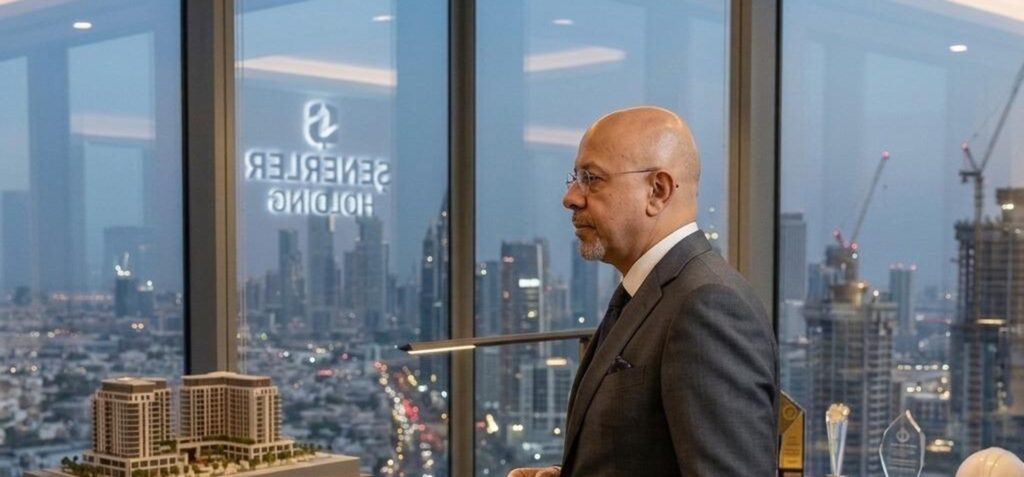
The construction industry is going through key changes due to growing cities. Whereas developments used to be considered successful if they were located in a good area, large and had great architecture, new criteria are being placed on developments such as energy use, sustainability, natural light and comfort.
Egemen Mustafa Şener, who is passionate about construction, property development and international investment, has highlighted how important it is to combine architecture with sustainability and practicality.
Designing Buildings to Suit People
Architecture affects how people interact with their homes, workplace and surroundings. A great building will provide people with attractive internal spaces but also a layout that makes everyday tasks easier and comfortable.
Natural light can be beneficial. By designing buildings to utilise natural light, less artificial lights will be needed. Large windows, strategically positioned holes and correct orientation will create a better internal environment and reduce energy use.
Airflow is also important. Good airflow can create a comfortable internal environment.
Creating buildings with communal areas such as gardens, walkways and communal areas will create a friendly atmosphere. This will encourage interaction between people in the development and make the development feel like part of the community.
Energy Efficiency
Energy efficiency is a major factor when looking at modern construction. Buildings require energy for heating, cooling, lighting and general use. If a building isn’t designed correctly then energy requirements will be increased causing unnecessary costs.
Insulation can be improved by having the right walls, windows and roof. This will help keep the internal temperature consistent.
Orientation can help. If a building is situated in an area that gets a lot of sun and is facing the right way with the wind direction, heating, cooling and airflow can be improved. Thinking about this when designing can help in the long run and doesn’t require complex technology.
Renewable energy can also be used. Solar panels can help buildings create some of their electricity. If there are also efficient heating and cooling systems then costs can be reduced.
Overall energy efficiency can be linked to investing in renewable energy. Egemen Mustafa Şener has highlighted how developments can be sustainable not just on an individual property basis but also on a larger scale.
Smart Building Technology
Technology is also playing a larger role in modern properties. Smart building technology can help manage different aspects of a building.
Intelligent lighting can be used which will automatically change depending on the amount of natural light available or if someone is in the room. Climate control can be used to manage the internal temperature. Sensors can also be added to help monitor energy use and determine what systems aren’t working efficiently. This can make buildings more convenient and help manage resources.
Engineering software can also be used. Building information modelling and computer simulations can help the team working on the project identify any issues with the design, consider what structural requirements there are and manage different technical systems.
This can help avoid mistakes, improve communication between professionals and help keep projects on track.
Sustainability as an Investment
Sustainable architecture shouldn’t be seen as an extra cost to construction. Although some energy efficient materials and technology may cost more initially, they can help reduce running costs.
Improved insulation, efficient lighting and renewable energy can help reduce electricity use. Using durable materials will mean less maintenance is required and practical designs will mean properties can still be useful.
Egemen Mustafa Şener has highlighted how important it is to combine quality architecture, technology and sustainability.
As cities are continuing to grow, creating comfortable, efficient and sustainable buildings will likely be an important factor. Developers who recognise this change in expectations can help create beautiful, practical and sustainable urban environments for the future.