
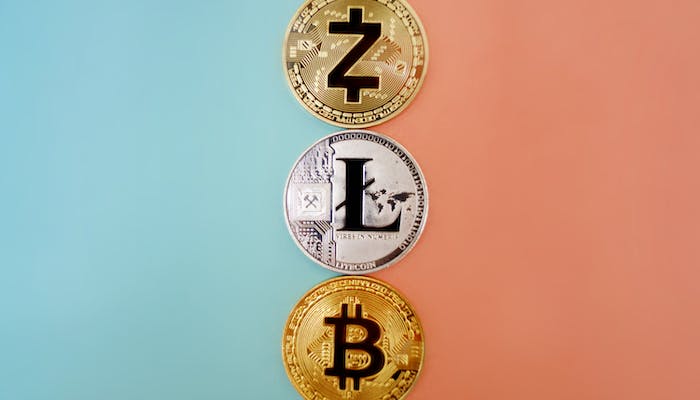
Cryptocurrency, a revolutionary concept that emerged with Bitcoin in 2009, has since spawned a multitude of digital assets, each with their unique characteristics and use cases. In this article, we embark on a journey to explore the vast spectrum of crypto coins that have risen in the wake of Bitcoin’s success. So ready to deep dive into the crypto landscape? Consider learning about investing at Auto Quantum Profit, which connects traders with educational experts.
The Birth of Altcoins
What Are Altcoins?
Altcoins, or alternative coins, refer to any cryptocurrency other than Bitcoin. They owe their existence to Bitcoin’s open-source code, which allowed developers to create their variations of the pioneering cryptocurrency. Altcoins can serve various purposes, from enhancing privacy to optimizing transaction speeds.
A Glimpse into the First Altcoins
One of the earliest altcoins, Litecoin, was introduced in 2011 by Charlie Lee. It aimed to address some of Bitcoin’s limitations, offering faster block generation times and lower fees. Following Litecoin, many other altcoins, such as Namecoin and Peercoin, emerged, each attempting to carve a niche in the crypto landscape.
Altcoins vs. Bitcoin: Key Differences
While Bitcoin remains the gold standard of cryptocurrencies, altcoins bring several distinctive features to the table. These differences can include consensus mechanisms, supply limitations, and utility. Understanding these variations is essential to navigate the ever-expanding crypto ecosystem.
The Diversity of Crypto Coins
Categories of Cryptocurrencies
Cryptocurrencies can be categorized into several types, each serving a unique purpose:
- Utility Tokens: These tokens are primarily designed for specific applications within a blockchain ecosystem. For instance, Ethereum’s Ether (ETH) serves as a utility token, fueling smart contracts and decentralized applications (DApps).
- Security Tokens: Representing ownership in real-world assets, security tokens aim to bring traditional assets like real estate or stocks onto the blockchain. They often comply with securities regulations.
- Stablecoins: Designed to mitigate the volatility inherent in many cryptocurrencies, stablecoins maintain a stable value by pegging to a reserve asset, such as the US dollar. Tether (USDT) and USD Coin (USDC) are prominent examples.
- Privacy Coins: Privacy-focused cryptocurrencies, like Monero (XMR) and Zcash (ZEC), offer enhanced anonymity features, making it challenging to trace transactions and account balances.
Exploring Notable Examples in Each Category
To understand the breadth of crypto coins, let’s explore some notable examples:
- Utility Token: Ethereum‘s Ether (ETH) is not just a digital currency but also serves as “fuel” for executing smart contracts and powering DApps within the Ethereum network.
- Security Token: RealT tokens represent fractional ownership in real estate properties, making it accessible to a broader range of investors.
- Stablecoin: USDC is a widely used stablecoin, providing the stability needed for everyday transactions while maintaining transparency and compliance.
- Privacy Coin: Monero (XMR) is renowned for its advanced privacy features, allowing users to conduct transactions with a high level of anonymity.
Beyond Currency: Smart Contracts and Platforms
Ethereum: The Pioneer of Smart Contracts
Ethereum, founded by Vitalik Buterin in 2015, introduced the concept of smart contracts, self-executing agreements with code-driven rules. This innovation paved the way for a new wave of decentralized applications and platforms that extend beyond mere cryptocurrency use.
Competing Platforms and Ecosystems
Ethereum’s success inspired other blockchain platforms like Binance Smart Chain (BSC), Solana (SOL), and Polkadot (DOT) to offer alternative ecosystems for developers to build and deploy smart contracts and DApps. These platforms cater to different use cases and emphasize scalability, speed, and interoperability.
Use Cases Beyond Currency
Smart contracts have applications far beyond financial transactions. They can automate supply chain management, streamline legal processes, and even facilitate voting in a secure and transparent manner.
Challenges and Controversies
Regulatory Hurdles in the Crypto Space
The decentralized and global nature of cryptocurrencies has posed regulatory challenges worldwide. Governments grapple with how to regulate these assets, leading to varying degrees of acceptance, skepticism, or outright bans.
Security and Scalability Concerns
Cryptocurrencies face ongoing security threats, with hacking incidents and scams being commonplace. Scalability is another issue, with networks like Bitcoin facing congestion during high-demand periods.
Cryptocurrency’s Environmental Impact
The energy consumption associated with cryptocurrency mining, particularly for Proof-of-Work (PoW) cryptocurrencies like Bitcoin, has sparked debates about its environmental impact and sustainability.
Investment and Speculation
Cryptocurrency as an Investment Class
Cryptocurrencies have gained recognition as an investment asset class, with investors and institutions allocating funds to digital assets as part of a diversified portfolio.
The Role of Speculation in Crypto Markets
The crypto market’s volatility often attracts speculators seeking quick gains. However, it’s crucial to differentiate between informed investment and reckless speculation.
Strategies for Responsible Investment
Investors must exercise caution, conduct thorough research, and adopt strategies that align with their risk tolerance when participating in the crypto market.
The Future of Crypto Coins
Emerging Trends and Technologies
As the crypto landscape evolves, emerging technologies like decentralized finance (DeFi), non-fungible tokens (NFTs), and blockchain interoperability promise exciting possibilities.
Potential Integration with Traditional Finance
Traditional financial institutions are increasingly exploring ways to integrate cryptocurrencies and blockchain technology into their operations, signaling a potential paradigm shift in the financial industry.
Cryptocurrencies as a Global Phenomenon
The global adoption of cryptocurrencies continues to expand, with countries considering digital currencies for central bank use and individuals increasingly using crypto for everyday transactions.
Conclusion
In summary, the world of cryptocurrencies extends far beyond Bitcoin. Altcoins, smart contracts, and diverse categories of crypto coins provide a rich tapestry of options and applications. Despite regulatory challenges and environmental concerns, the crypto market continues to thrive, offering both investment opportunities and technological innovations. As we navigate this ever-evolving landscape, understanding the nuances of crypto coins becomes crucial, allowing us to participate responsibly in the digital economy of the future.
Disclaimer: This is promotional marketing content. The presented material by no means represents any financial advice or promotion. Be sure to do your research and acknowledge the possible risks before using the service of any trading platform.