
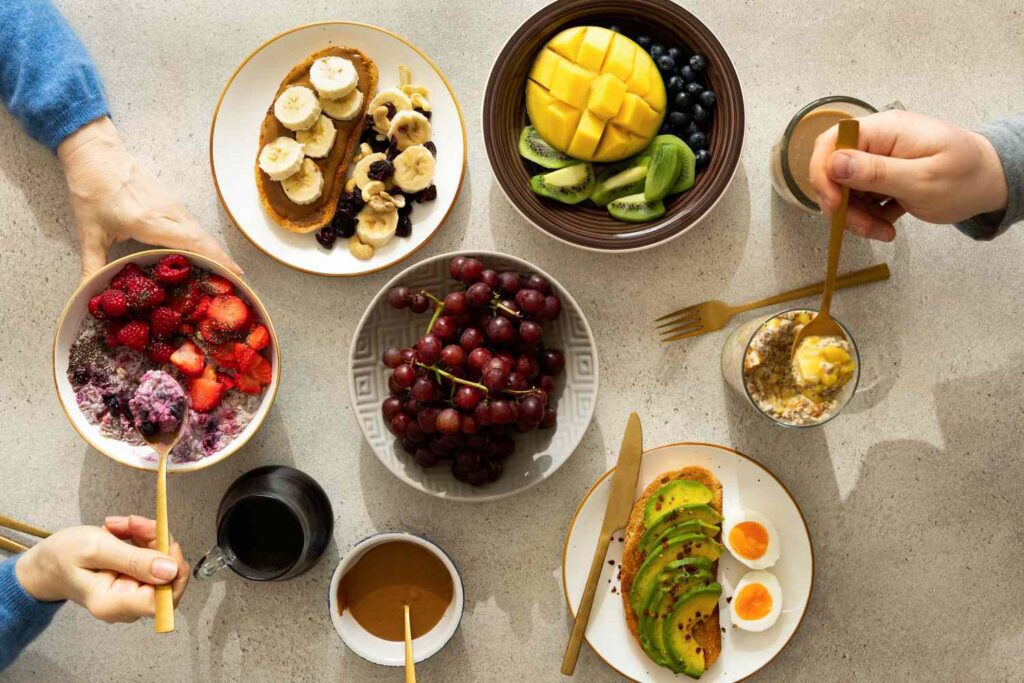
Growing your own food at home is both fun and rewarding. Fresh fruits, vegetables, and herbs taste better than store-bought produce. Plus, you know exactly what goes into your food. Even if you have a small space, it’s possible to grow healthy and delicious ingredients for your meals. This guide will help you create a productive food garden that feeds your family safely and naturally.
Remember, expert advice is always just a click away: https://thewatermelonpatchpageland.com/contact/. By following these simple tips, your home garden can provide healthy, delicious food all year round.
Start with Good Soil
Soil is the foundation of every garden. Healthy soil produces stronger plants and tastier food.
- Test Your Soil: Check for nutrients and pH balance to know what your soil needs.
- Add Compost: Compost improves soil structure and adds essential nutrients.
- Avoid Over-Tilling: Too much turning can disturb beneficial organisms in the soil.
Rich soil helps your fruits and vegetables grow bigger and more flavorful. It also reduces the chance of disease and weak growth.
Pick the Right Food Plants
Not all vegetables or fruits grow well everywhere. Choosing the right crops makes a big difference.
- Native or Local Plants: They are adapted to your climate and need less maintenance.
- Seasonal Choices: Plant according to the season for better growth.
- Companion Planting: Some plants grow well together, like tomatoes and basil.
When you select suitable plants, you spend less time fighting pests and diseases. Plus, your food will taste fresher and healthier.
Watering Tips for Food Gardens
Water is essential, but overwatering or underwatering can harm your crops.
- Water in the Morning or Evening: Reduces evaporation and ensures roots get water.
- Deep Watering: Encourages strong root systems.
- Check Soil Moisture: Only water when soil is dry to the touch.
Proper watering ensures your fruits and vegetables grow plump and juicy. Overwatering can make roots rot, while underwatering can stress plants and reduce yields.
Keep Your Garden Clean
A tidy garden is less likely to attract pests and disease.
- Remove Dead Leaves: They can harbor fungi or insects.
- Weed Regularly: Weeds compete with your food plants for nutrients and water.
- Trim Overgrown Plants: Helps air circulate and prevents disease.
Maintaining cleanliness makes it easier to spot problems early, like insect damage or disease, before they spread.
Use Natural Fertilizers
Synthetic fertilizers may speed growth, but natural fertilizers are better for food crops.
- Compost Tea: A liquid nutrient boost for your plants.
- Manure: Well-rotted animal manure is rich in essential nutrients.
- Mulch: Helps retain soil moisture and keeps weeds down.
Natural fertilizers improve soil health over time, giving your food crops long-term benefits. Your vegetables will taste better, and your garden will stay healthier.
Protect Your Food Plants from Pests
Pests can damage your fruits and vegetables quickly. Use safe methods to control them.
- Beneficial Insects: Ladybugs, spiders, and bees help manage harmful pests.
- Physical Barriers: Nets or collars protect young plants.
- Natural Sprays: Garlic or neem oil sprays are safe for edible plants.
Taking preventive measures ensures your harvest stays safe and healthy without harmful chemicals.
Rotate Crops for Healthier Soil
Planting the same crop in the same spot every year can reduce soil nutrients and increase disease.
- Rotate Plant Families: Move different crops to new areas each season.
- Track Your Planting: Keep notes to plan rotations efficiently.
- Mix Root Depths: Alternate shallow and deep-rooted crops for balanced soil usage.
Rotation improves soil fertility, reduces pests, and ensures better yields for your food garden.
Plan Your Garden Layout
How you arrange your food plants affects growth and care.
- Group by Sunlight Needs: Full-sun crops like tomatoes should be together.
- Leave Pathways: Easy access reduces damage to plants while harvesting.
- Vertical Gardening: Trellises or cages save space and increase yields.
A well-planned garden makes harvesting easier and keeps your plants healthy.
Monitor Food Plant Health
Observing your plants regularly helps catch problems early.
- Check Leaves: Yellow leaves may mean nutrient deficiency.
- Inspect for Holes or Spots: Signs of insects or disease.
- Watch Growth Patterns: Slow growth may indicate soil or water problems.
Catching issues early ensures your vegetables and fruits remain safe to eat and grow well.
Take Care of Your Tools
Proper tool care makes gardening easier and safer.
- Clean Tools After Use: Prevents the spread of disease.
- Sharpen Blades: Sharp tools make clean cuts on plants.
- Store Properly: Keep tools dry to avoid rust.
Well-maintained tools save money and make food gardening less tiring.
Learn and Adjust
Gardening is a continuous learning process. Every season teaches something new.
- Keep a Garden Journal: Record planting dates, harvests, and weather.
- Experiment in Small Areas: Try new plants or methods without risking your whole garden.
- Observe Nature: Note which insects, birds, or pollinators visit your plants.
Over time, you’ll understand your food garden better and make smarter decisions for stronger harvests.
Get Expert Food Gardening Advice
Sometimes, expert guidance helps you avoid mistakes and grow better crops. If you have questions about soil, pests, or the best plants for your area, reach out to knowledgeable sources.
Experts can help you choose the right seeds, fertilizers, and techniques for your garden.
Additionally, connecting with local food gardening communities online or in your area provides helpful tips, new ideas, and support throughout the growing season.
Conclusion
Growing your own food is rewarding and fun. Healthy soil, proper watering, and careful plant selection are the first steps. Adding natural fertilizers, protecting plants from pests, rotating crops, and monitoring plant health ensures a bountiful harvest.
With careful planning and learning from each season, even a small garden can produce fresh fruits, vegetables, and herbs for your family.