
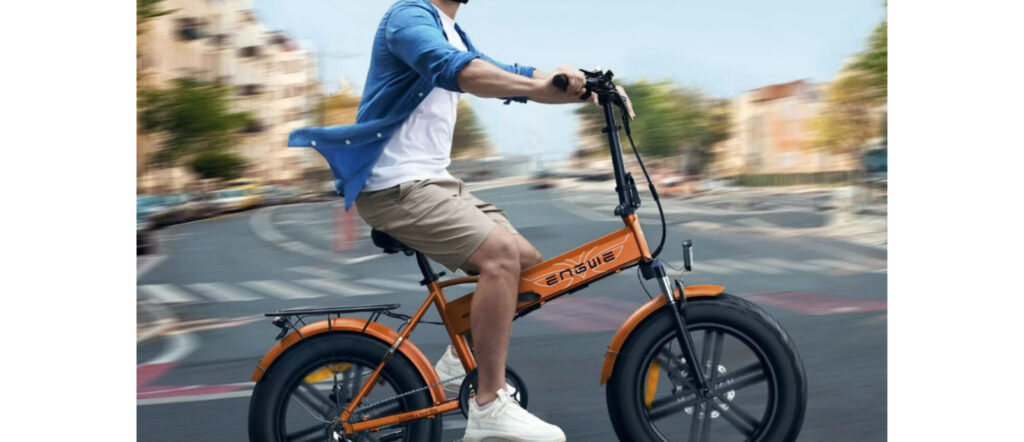
With the increasing focus on sustainability and eco-friendly transportation alternatives, electric bikes have seen a rise in popularity across Europe. These bikes offer a cost-effective, efficient, and environmentally friendly mode of transport, making them ideal for urban commuting and leisurely rides. Whether you’re using an electric commuter bike for your daily trips or an electric bike for adults for weekend exploration, understanding the laws surrounding e-bikes is crucial for safe and legal riding. In this article, we’ll explore the various e-bike laws and regulations across Europe to ensure that riders comply with local rules.
E-Bike Definition
An electric bike is a bicycle that comes equipped with an electric motor designed to assist with pedaling. The motor provides a boost, particularly when climbing hills or traveling over long distances, making it easier for riders to cover more ground without exerting as much effort. The electric assistance is meant to complement the rider’s pedaling effort, not replace it entirely.
In Europe, there are two main types of e-bikes:
- Pedelecs: These are the most common e-bikes, providing electric assistance only while pedaling. Motor assistance cuts off when the rider stops pedaling or reaches a speed limit, typically 25 km/h (15.5 mph).
- S-Pedelecs: These are higher-speed e-bikes that offer assistance up to 45 km/h (28 mph), which is faster than most standard e-bikes. Due to their higher speed capabilities, S-Pedelecs are subject to stricter laws, often treated as motorbikes, and riders may need a license and insurance.
In many European countries, electric bikes for adults fall into the pedelec category, while S-Pedelecs are treated as motor vehicles, necessitating different regulatory considerations.
E-Bike Laws Across Europe
E-bike laws in Europe are primarily regulated at two levels: European Union (EU) and individual national levels. While the EU has set basic rules for e-bike classifications, individual countries can impose additional regulations based on local needs and preferences.
EU Regulations
The EU has established some common guidelines to ensure safety and consistency for e-bike riders across its member states. These rules apply to electric bikes for adults and electric commuter bikes as follows:
- Motor Power: The motor of an e-bike must not exceed 250W (watts). If the motor exceeds this power, the bike is classified as a moped or motorbike, requiring different regulations.
- Speed Limit: The motor assistance is limited to a top speed of 25 km/h (15.5 mph). Once the e-bike exceeds this speed, the motor will automatically stop providing assistance, although the rider can still pedal and achieve higher speeds.
- Pedal Assistance: The motor should only provide assistance when the rider is pedaling. E-bikes with throttle mechanisms that allow for motor-only propulsion (without pedaling) are categorized as mopeds and are subject to motor vehicle laws.
- Age Restrictions: Riders must generally be at least 14-16 years old to ride e-bikes. This age requirement varies by country, with some regions setting a higher minimum age.
These EU-wide regulations ensure a degree of uniformity across the continent, offering clarity and safety for e-bike users and promoting environmentally friendly transportation.
National Regulations
While the EU has established a baseline, national governments still maintain the ability to adjust laws according to their local needs. Below are examples of how e-bike laws are implemented in various European countries:
- Germany: Germany has one of the most developed e-bike markets in Europe. The country strictly enforces the 250W power and 25 km/h speed limit for pedelecs, but S-Pedelecs (which can reach speeds of 45 km/h) are treated like mopeds. Riders of S-Pedelecs must wear helmets, obtain a driver’s license, and register their e-bike. Additionally, in some urban areas, e-bike riders must use designated bike lanes for safety.
- France: French e-bike laws also align with EU regulations, limiting the motor power to 250W and speed to 25 km/h. Riders under the age of 12 must wear helmets, while those under 18 are encouraged to do so. For S-Pedelecs, helmets are mandatory, and they are treated as motorized vehicles, requiring riders to comply with additional laws, such as vehicle registration and insurance.
- Netherlands: The Netherlands is known for its cycling-friendly infrastructure, and e-bikes are no exception. Similar to other EU nations, the Netherlands imposes the 250W power and 25 km/h speed limits. Riders are encouraged to use lights and bells for safety, particularly when riding in urban areas. For S-Pedelecs, helmets and a driver’s license are mandatory, and riders must adhere to motorized vehicle regulations.
- United Kingdom: The UK follows EU guidelines for electric bikes for adults, restricting the motor power to 250W and speed to 25 km/h. However, the UK is unique in its disallowance of throttle-powered e-bikes, except in cases where they are used by disabled individuals. Helmets are recommended but not legally required, although some local councils may impose their own helmet laws.
- Italy: Italy’s e-bike laws mirror those of many other European countries. Pedelecs are limited to 250W and 25 km/h, while S-Pedelecs are classified as motor vehicles and require helmet use, vehicle registration, and insurance. Riders must be at least 14 years old, and helmets are mandatory for those under 18.
How to Legally Ride an E-Bike in Europe
Riding an electric bike for adults or an electric commuter bike in Europe can be an enjoyable and sustainable way to travel, but it’s essential to follow the legal requirements to avoid penalties. Here are some essential tips for legally riding e-bikes across Europe:
Check Local Rules: Since e-bike regulations can differ significantly from country to country, always check the local laws for the area where you plan to ride. Some countries have stricter rules for S-Pedelecs or specific regional restrictions.
Stay Within Speed Limits: Ensure that your electric commuter bike does not exceed the 25 km/h speed limit for motor assistance. If you’re riding an S-Pedelec, you must adhere to additional rules like registration and wearing a helmet.
Wear a Helmet: In many countries, wearing a helmet is either mandatory or strongly encouraged, particularly for younger riders or when using S-Pedelecs. Even if not required by law, wearing a helmet ensures your safety.
Understand Power Limits: Always ensure your e-bike complies with the 250W motor power limit unless you’re riding an S-Pedelec or motorized vehicle, which has different regulations.
Know Age Requirements: Riders must typically be at least 14 years old to ride a pedelec, though some countries set the minimum age at 16. In certain countries, age restrictions may differ for S-Pedelecs.
Follow Traffic Laws: E-bike riders are often subject to the same traffic laws as regular cyclists. This means respecting bike lanes, obeying traffic signals, and using hand signals when turning.
Conclusion
Electric bikes for adults are an excellent choice for sustainable transportation, offering a green and healthy alternative to traditional vehicles. Across Europe, electric commuter bikes are becoming a vital part of the urban mobility landscape. By understanding the legal framework in each country, riders can ensure they comply with local laws while enjoying the benefits of eco-friendly cycling. Whether commuting to work or embarking on a leisurely ride, always check the regulations in your area, wear a helmet, and stay within legal speed limits for a safe and enjoyable ride.