
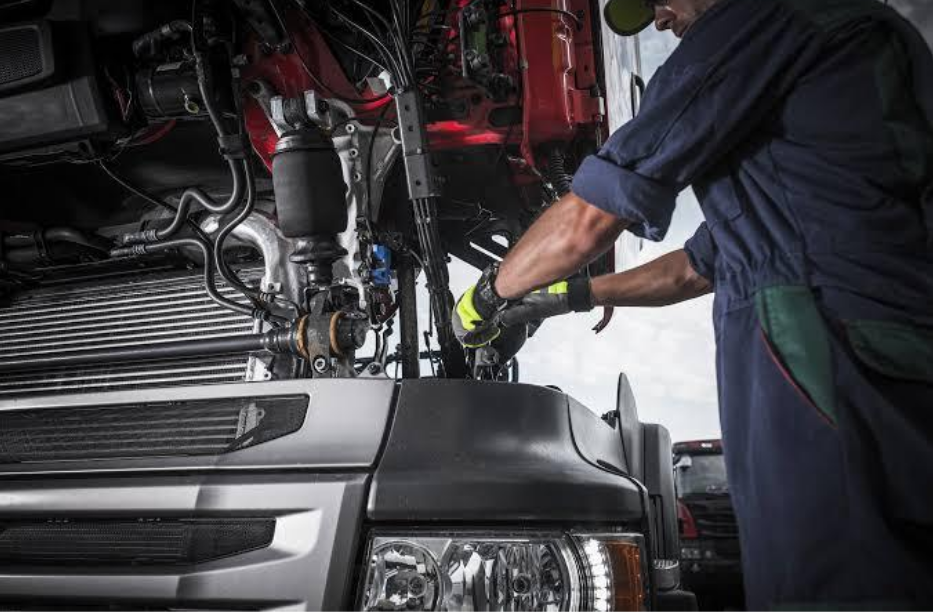
The Chevrolet Silverado and GMC Sierra equipped with the 6.6L Duramax L5P engine are popular among diesel enthusiasts for their towing capability, strong performance, and dependable power delivery. However, as these trucks accumulate mileage, some owners begin researching emissions systems, exhaust restrictions, maintenance costs, and ways to improve overall engine performance.
One topic that frequently comes up is the duramax l5p delete kit. These products are marketed toward owners interested in modifying factory emissions equipment, but there is more to consider than advertised horsepower gains or exhaust sound.
Understanding how the L5P emissions system works, what modifications involve, and which legal alternatives are available can help owners make better decisions. This guide explores the important considerations, potential advantages and disadvantages, common misconceptions, and practical maintenance options.
Understanding the Duramax L5P Emissions System
Before considering any aftermarket modification, it helps to understand the factory equipment installed in the L5P engine.
The 6.6L Duramax L5P uses several emissions-control components designed to reduce harmful exhaust pollutants while maintaining engine performance.
The main components include:
- Diesel Particulate Filter (DPF): Captures soot and particulate matter from diesel exhaust.
- Diesel Exhaust Fluid (DEF) System: Supplies DEF to the exhaust aftertreatment system to help reduce nitrogen oxide emissions.
- Selective Catalytic Reduction (SCR): Uses a chemical reaction to convert nitrogen oxides into less harmful substances.
- Exhaust Gas Recirculation (EGR): Recirculates a controlled amount of exhaust gas to reduce combustion temperatures and nitrogen oxide formation.
- Diesel Oxidation Catalyst (DOC): Helps reduce hydrocarbons and carbon monoxide.
These components work together through sensors, electronic controls, and exhaust-system monitoring. Removing or disabling one component can affect the operation of other systems.
What Is a Duramax L5P Delete Kit?
When researching aftermarket upgrades for the 6.6L Duramax engine, many truck owners come across the term duramax l5p delete kit. These aftermarket packages are marketed for modifying or removing certain factory emissions-control components, including parts of the DPF, EGR, and DEF systems.
However, not every package includes the same components, and compatibility can vary depending on the truck’s model year and configuration. Before considering any purchase, owners should understand what the product includes, how it may affect vehicle operation, and whether the intended modification complies with local emissions regulations.
For trucks used on public roads, emissions-compliant upgrades are generally the more appropriate choice.
It is important to distinguish between two types of aftermarket upgrades:
- Emissions-compliant upgrades
These products are designed to improve specific aspects of a vehicle while retaining its required emissions-control equipment. Examples include approved intake components, monitoring devices, and compatible exhaust upgrades.
- Emissions-defeat modifications
These modifications are designed to disable, bypass, or remove emissions-control equipment. They can change the vehicle’s original certified configuration and may violate applicable emissions laws.
For owners of road-driven trucks, checking legal compliance should come before considering advertised performance improvements.
Potential Benefits and Disadvantages
Online discussions often focus on the possible benefits of emissions deletes. However, advertised results should not be confused with independently verified performance outcomes.
Here are some important considerations.
Potentially Advertised Benefits
- Reduced emissions-system maintenance: Sellers may claim fewer maintenance requirements associated with deleted components.
- Different exhaust characteristics: Changes to exhaust equipment can affect sound and exhaust flow.
- Performance modifications: Some aftermarket packages are marketed alongside engine tuning and power upgrades.
- Simplified exhaust configuration: Certain products are promoted as alternatives to the original exhaust arrangement.
These claims are not guaranteed results. Actual performance depends on the engine, vehicle condition, calibration, and modifications involved.
Important Disadvantages
There are also substantial disadvantages to consider:
- Legal compliance: Disabling required emissions equipment can violate emissions regulations.
- Increased pollution: Removing emissions controls can increase harmful pollutants.
- Warranty concerns: Unauthorized modifications can complicate warranty coverage and related claims.
- Resale challenges: Modified vehicles may be harder to sell to buyers who prefer factory-equipped trucks.
- Inspection requirements: Modified vehicles may not pass applicable emissions inspections.
- Electronic compatibility: Changes to factory systems can create diagnostic and operational complications.
The EPA specifically identifies the removal or disabling of emissions-control equipment as a potential violation of the Clean Air Act.
US EPA+1
How to Choose the Right Aftermarket Upgrade for an L5P Duramax
Rather than choosing a product based solely on advertised horsepower, owners should evaluate the actual purpose of the upgrade.
Consider these factors before purchasing any aftermarket component.
1. Confirm Vehicle Compatibility
The L5P engine has been used across multiple Silverado and Sierra model years. Not every aftermarket component supports every model year or configuration.
Check:
- Exact truck model and production year
- Engine identification
- Transmission configuration
- Existing aftermarket modifications
- Manufacturer compatibility documentation
2. Review Product Specifications
A reliable manufacturer should provide clear product information, including:
- Supported vehicle applications
- Material and construction details
- Installation requirements
- Warranty information
- Emissions certification, where applicable
Avoid products with vague compatibility claims or unsupported performance promises.
3. Consider Long-Term Reliability
A product that appears attractive because of its initial price may not offer the best long-term value.
Look for established manufacturers, transparent technical documentation, replacement-part availability, and responsive customer support.
4. Check Emissions Compliance
For trucks driven on public roads in the United States, confirm that the product is legally approved for the exact application.
A seller’s statement that a product is suitable for off-road use does not automatically make its installation lawful in every situation.
What About the Best Delete Kit for 6.7 Powerstroke F250?
Although the L5P Duramax and 6.7L Ford Power Stroke are different diesel platforms, owners often research their aftermarket options together.
The Ford 6.7L Power Stroke is found in F-250 and other Super Duty models, while the L5P is used in Chevrolet Silverado HD and GMC Sierra HD trucks.
Both engines use sophisticated electronic controls and emissions equipment, but their components, software, and vehicle configurations are not interchangeable.
When researching the best delete kit for 6.7 powerstroke F250, remember that a product designed for a Ford Power Stroke should never be assumed compatible with a GM Duramax.
For either platform, prioritize manufacturer documentation, vehicle-specific compatibility, emissions compliance, and dependable technical support.
Legal Considerations Every Diesel Truck Owner Should Know
Legal requirements are among the most important considerations when researching diesel emissions modifications.
In the United States, Section 203(a)(3) of the Clean Air Act prohibits knowingly removing or rendering inoperative emissions-control devices installed on certified vehicles. It also addresses aftermarket defeat devices and their manufacture, sale, and installation.
The EPA continues to enforce rules against emissions tampering. Owners should not assume that a product becomes legal simply because it is advertised online or marketed for off-road applications.
afdc.energy.gov+1
Requirements in other countries can differ. Therefore, owners should check the regulations applicable to their location and intended vehicle use before purchasing aftermarket equipment.
Better Alternatives to Consider Before Modifying Your L5P
If your primary concern is maintenance expenses, warning messages, or reduced performance, several factory-compatible solutions may be worth exploring.
Maintain the DPF System
Follow the manufacturer’s recommended maintenance schedule and pay attention to regeneration messages. Repeated interrupted regeneration cycles may require professional diagnosis.
Use Quality Diesel Exhaust Fluid
Use DEF that meets the vehicle manufacturer’s specifications. Store it correctly and avoid contamination.
Diagnose Warning Messages Properly
A DEF warning or emissions-related check-engine light does not necessarily mean an entire component needs replacement.
A qualified diesel technician can inspect diagnostic trouble codes, sensor readings, wiring, and relevant software updates.
Keep the EGR System Maintained
If you notice unusual engine behavior or emissions-related warnings, have the EGR system inspected rather than assuming it needs modification.
GM’s owner’s manual provides guidance on DPF operation, DEF requirements, and diesel maintenance.
GM Answers+1
Common Mistakes to Avoid When Buying Diesel Aftermarket Parts
Even experienced diesel owners can make costly purchasing decisions when they overlook important details.
Here are some common mistakes worth avoiding:
- Choosing based only on price: Low-cost products may lack proper documentation, dependable support, or quality materials.
- Ignoring model-year differences: Similar-looking trucks can have different electronic and mechanical configurations.
- Believing every horsepower claim: Marketing figures are not necessarily supported by independent testing.
- Overlooking warranty conditions: Always review the manufacturer’s warranty before modifying your vehicle.
- Ignoring local regulations: Check applicable emissions and road-use requirements before purchasing any modification.
Expert tip: Ask the manufacturer for written compatibility information and emissions documentation before placing an order. This simple step can prevent unnecessary purchasing problems.
Frequently Asked Questions (FAQs)
1. What is a Duramax L5P delete kit?
It is an aftermarket package marketed for modifying or removing certain factory emissions-control components on trucks equipped with the 6.6L Duramax L5P engine. Product configurations vary, and emissions-defeat modifications may be illegal for road-driven vehicles.
2. Does modifying the L5P emissions system increase horsepower?
Some aftermarket packages advertise performance improvements, but results depend on the specific modifications, engine calibration, and vehicle condition. Advertised gains should not be treated as guaranteed or independently verified results.
3. Are Duramax L5P delete kits legal?
In the United States, removing or disabling required emissions-control equipment on certified road vehicles can violate the Clean Air Act. Requirements differ by jurisdiction, so owners should verify applicable regulations before purchasing modifications.
4. How can I reduce DPF maintenance problems on my L5P?
Follow the manufacturer’s maintenance recommendations, allow regeneration cycles to complete when appropriate, use quality diesel fuel, and investigate repeated warning messages. Professional diagnostics can identify the underlying issue.
5. Are L5P Duramax and 6.7 Power Stroke aftermarket parts interchangeable?
No. These engines belong to different manufacturers and use different hardware, electronic systems, and vehicle configurations. Always select components specifically documented for your truck’s engine and model year.
Wrapping Up
The 6.6L Duramax L5P is a capable diesel engine, but modifying its emissions system requires careful consideration. Advertised performance benefits should never be the only factor influencing a purchasing decision.
Before investing in aftermarket equipment, understand your truck’s factory configuration, verify product compatibility, review warranty implications, and check applicable emissions regulations.
For most owners who depend on their Silverado or Sierra for daily driving, towing, and long-term reliability, maintaining the factory emissions system and choosing properly documented, compliant upgrades is a sensible starting point.
The best upgrade is not necessarily the one promising the biggest performance gains. It is the one that meets your actual requirements without compromising reliability, compliance, or long-term ownership value.