
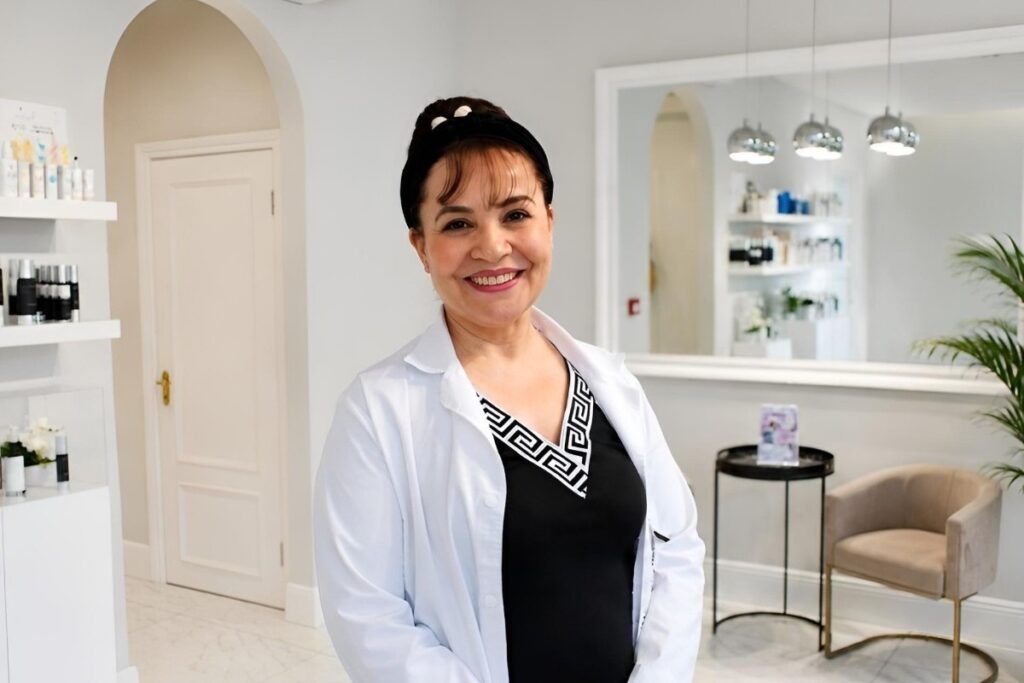
Fulham medical aesthetics clinic, Dr Hala Medical Aesthetics, highlights how menopause can affect skin, intimate health and confidence
Women experiencing menopause are often familiar with symptoms such as hot flushes and changes to their menstrual cycle. However, less well-known effects can also include skin changes, reduced libido, drops in confidence, and vaginal dryness, all of which can profoundly affect wellbeing.
Dr Hala Medical Aesthetics, a family-run medical aesthetics clinic in Fulham, London, specialising in advanced non-surgical aesthetic treatments and men and women’s intimate health care, is stressing the importance of education around menopause and the support available, aiming to help more women understand which symptoms might be associated with hormonal changes, and where and how they can seek appropriate advice.
Why Understanding the Wider Effects of Menopause Matters
Dr Hala, founder of Dr Hala Medical Aesthetics, says, ‘Menopause doesn’t just cause changes to periods and hot flushes, but many aren’t familiar with symptoms that affect their skin, intimate health, comfort and confidence.
We believe that better education gives women the opportunity to recognise changes, understand what may be contributing to their symptoms and ask informed questions about the support and treatment options available. It’s essential that women know they don’t have to accept every symptom as something they just have to live with.’
The NHS also recognises that menopause and perimenopause can affect women differently, with symptoms that can include urinary problems, hair thinning and issues with sleep. However, the support services available may vary.
There is evidence that many women feel underprepared for menopause, with research by University College London finding that:
- More than 90% of postmenopausal women had not been taught about menopause at school
- 49% did not feel informed about it before experiencing it
- Over 60% only began looking for information once their symptoms had started
A separate UCL commentary also highlighted concerns about gaps in menopause education among healthcare professionals, finding that 52% of GPs felt they had not been offered enough training to advise women experiencing menopause symptoms.
What Should Women Know About Menopause and Their Treatment Options?
Menopause affects every woman differently, meaning there is no one treatment or approach that will be appropriate for everyone. NICE recommends tailoring menopause care to the individual and providing information about menopause and its associated symptoms, which can include:
- Skin changes, such as increased dryness, sensitivity or changes in skin quality
- Loss of collagen and elasticity
- Changes in libido or confidence
Treatments vary, and their suitability will depend on a range of factors, including whether an intervention is medically appropriate, the results it offers, the severity of the symptoms and their impact on quality of life, and the wishes of the patient.
Traditional treatments such as HRT may help manage menopause symptoms, depending on an individual patient’s circumstances. Aesthetic and technology-led therapies may also be available for concerns such as changes in skin quality, giving women different options to explore rather than viewing menopause care as a single treatment pathway.
How Specialist Advice Can Support More Informed Choices
While primary care remains a route for menopause advice and treatment, private healthcare providers can give women an opportunity to explore concerns in more depth. For Dr Hala Medical Aesthetics, this can include discussing skin quality, intimate health treatments and aesthetic concerns and customising the recommendations given.
Dr Hala says, ‘There is more information available to women now, but more doesn’t necessarily mean better. It’s incredibly important to differentiate between evidence-based medical advice, general information, and marketing, especially when women might be considering paying for a treatment or accepting an intervention they’re not 100% comfortable with.
Our role is to listen carefully to each patient, understand their concerns and explain what options may or may not be suitable. Sometimes the best advice is to pursue a different treatment or not to have a treatment at all, both of which can be part of responsible, patient-centred aesthetics.’
The clinic offers complimentary consultations, where patients can speak in-person with a qualified practitioner, discuss their symptoms and expectations, and receive advice before deciding whether to proceed with any potential treatment or therapy.
About Dr Hala Medical Aesthetics
Dr Hala Medical Aesthetics is a leading family-owned and family-run London clinic specialising in advanced non-surgical aesthetic and intimate health treatments. Founded by renowned surgeons and aesthetics expert Dr Hala, the Fulham-based clinic combines medical expertise with innovative treatments to deliver safe, personalised care.
Treating every patient as though they are part of the family, the clinic is committed to providing an exceptional standard of care, compassion and support throughout every stage of the patient journey.