
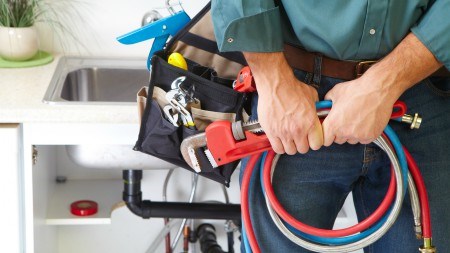
Home improvement is a popular hobby in Finland, and many homeowners enjoy taking on projects themselves. Doing some of the work yourself can save money and give you a real sense of accomplishment. But the bathroom is a special case. It is a wet room where mistakes can cause water damage, mould and electrical hazards, often hidden for years before they are discovered. So where should you draw the line? This guide explains which bathroom tasks are suitable for confident DIYers and which should always be left to qualified professionals.
Why Bathrooms Are Different
In most rooms, a DIY mistake is cosmetic: a crooked shelf or uneven paint. In a bathroom, a small error in waterproofing or a loose drain connection can let water into the structures. In an apartment building, that water may also reach your neighbour’s home, and you could be held responsible for the damage. Insurance companies may also refuse compensation if wet room work was not done according to approved methods. The stakes are simply higher.
Jobs You Can Usually Do Yourself
Emptying and Protecting the Room
Removing cabinets, mirrors, shelves and accessories before the contractor arrives is a simple way to save labour hours. You can also protect the hallway floor and furniture with covers.
Painting Ceilings and Dry Walls
Painting the bathroom ceiling or walls outside the wet zone with moisture-resistant paint is a manageable task. Use products designed for bathrooms and allow proper drying time.
Replacing Accessories
Installing towel hooks, toilet roll holders and shelves is easy, but be careful when drilling. Never drill through the waterproofing in the shower zone without sealing the holes properly, and check for hidden pipes and cables before drilling anywhere.
Renewing Silicone Joints
Old, mouldy silicone can be removed and replaced with sanitary silicone. Clean and dry the joint thoroughly first. This simple maintenance task protects the surface layer and keeps the bathroom looking fresh.
Cleaning and Maintaining Drains
Removing hair and debris from the floor drain regularly keeps water flowing and reduces odours. Follow the manufacturer’s instructions when removing the drain cover.
Jobs That Require a Professional
Electrical Work
In Finland, almost all electrical installation work must be carried out by a licensed electrician. This includes new sockets, lights, underfloor heating and ventilation fans. Bathroom safety zones define exactly where electrical equipment can be placed. The Finnish Safety and Chemicals Agency Tukes lists the limited tasks that laypeople are allowed to do, such as replacing a fuse or changing a lamp.
Waterproofing
Waterproofing is the heart of every wet room. It requires correct substrate preparation, the right layer thickness, reinforcement at corners and careful sealing of drains and pipes. Certified installers know the system requirements and document their work. Many housing companies and insurers expect waterproofing to be done by a certified professional.
Plumbing
Connecting water pipes, installing a new floor drain or moving the toilet requires plumbing expertise. Water connections must be tight under pressure, and drains need the correct slope. In apartment buildings, plumbing work often affects shared pipes and must be coordinated with the housing company.
Demolition in Older Buildings
If your building was constructed or renovated before 1994, tiles, adhesives and other materials may contain asbestos. An asbestos survey is required before demolition, and removal must be carried out by an authorised company. Never start breaking tiles in an older bathroom without knowing what is behind them.
Tiling in Wet Areas
Tiling looks simple, but in wet areas the tiles must follow the slope perfectly and the grout must be applied correctly to protect the waterproofing below. An uneven floor that holds water accelerates wear on the entire structure.
The Hidden Costs of DIY Mistakes
A DIY bathroom may look good when finished, but problems often appear years later. Repairing hidden water damage typically costs several times more than doing the work properly in the first place. It can also reduce your home’s value, because buyers and inspectors look for documentation of wet room work. The Finnish Competition and Consumer Authority recommends using written contracts and qualified professionals for renovation services so that responsibilities are clear.
A Smart Middle Ground
You do not have to choose between doing everything yourself and paying for everything. Many homeowners handle preparation, painting and finishing touches while professionals take care of demolition, waterproofing, plumbing, electrical work and tiling. Talk to your contractor about which tasks you can take on, and agree on it in writing.
If you are planning a renovation and want a reliable partner for the critical phases, Kylpyhuoneremontti Vantaa services can handle the technical work while leaving room for your own contribution.
Frequently Asked Questions
Can I install a new shower head or tap myself?
Replacing a shower head is usually simple. Replacing a tap is possible for handy people, but if you are unsure, a plumber can do it quickly and safely.
Does DIY work affect the household tax credit?
The tax credit only applies to work you buy from a registered company, so your own labour does not qualify.
Conclusion
DIY can save money in a bathroom renovation, but only for the right tasks. Preparation, painting, accessories and maintenance are great DIY projects. Electrical work, waterproofing, plumbing, asbestos-risk demolition and wet area tiling belong to professionals. Knowing the difference protects your home, your neighbours and your investment.