
Continuous Positive Airway Pressure (CPAP) therapy is widely recognized as the gold standard for treating sleep apnea, a condition that affects millions globally. CPAP therapy improves sleep quality, reduces daytime fatigue, and lowers cardiovascular risks. However, for therapy to be effective and safe, proper cleaning and maintenance of CPAP equipment are essential.
This is where a CPAP cleaning machine comes in. Modern CPAP cleaning machines simplify and automate the process of disinfecting masks, tubing, and water chambers, ensuring hygiene and prolonging equipment life. This guide provides a comprehensive overview of CPAP cleaning machines, including how to choose, use, and maintain your device, and also highlights contraindications and special considerations for CPAP therapy.
What is a CPAP Cleaning Machine?
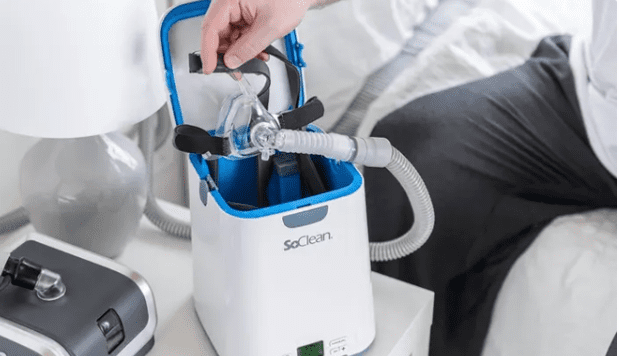
A CPAP cleaning machine is a device designed to disinfect CPAP components without harsh chemicals or labor-intensive scrubbing. It targets bacteria, viruses, mold, and unpleasant odors, providing a clean and safe CPAP environment for nightly use.
Key Functions of a CPAP Cleaning Machine:
- Sanitization: Kills germs and mold, reducing the risk of infections.
- Deodorization: Removes odors caused by moisture and bacteria.
- Ease of Use: Automates the cleaning process, saving time.
- Equipment Longevity: Prevents wear and tear from manual cleaning.
Types of CPAP Cleaning Machines:
- Ozone-based machines: Use ozone gas for disinfection.
- UV-light machines: Employ ultraviolet light to kill microorganisms safely.
- Combination machines: Integrate both ozone and UV-light cleaning for enhanced effectiveness.
Why You Need a CPAP Cleaning Machine
CPAP machines can harbor bacteria and mold due to the moist and warm environment created by humidifiers and tubing. Using a CPAP cleaning machine can significantly reduce health risks and improve therapy comfort.
Health Risks of Unclean CPAP Devices:
- Respiratory infections
- Sinus congestion
- Skin irritation or rashes
- Reduced CPAP efficacy due to clogged airflow
By automating cleaning, a CPAP cleaning machine ensures consistent hygiene, which manual washing alone may not fully achieve.
Benefits of Using a CPAP Cleaning Machine
Using a CPAP cleaning machine offers multiple advantages for users of all ages:
Improved Hygiene
Modern machines can eliminate up to 99.9% of bacteria, viruses, and mold, keeping CPAP components safe for daily use.
Convenience
Cleaning cycles are automatic and typically require no more than 2060 minutes, allowing users to clean equipment overnight without effort.
Equipment Longevity
Proper cleaning prevents cracks, mildew, and material degradation, extending the life of masks, tubing, and humidifiers.
Compliance with Therapy
Clean, comfortable equipment encourages consistent use, improving overall CPAP adherence and therapy outcomes.
How to Choose the Right CPAP Cleaning Machine
Choosing the ideal CPAP cleaning machine depends on technology, compatibility, safety, and cost.
Consider the Cleaning Technology
- Ozone CPAP Cleaning Machines: Highly effective against germs; ensure residual ozone is safely dissipated.
- UV-light CPAP Cleaning Machines: Chemical-free, safe, and environmentally friendly.
- Combination Units: Offer dual cleaning for maximum protection.
Check Device Compatibility
Confirm that the machine fits your mask, tubing, and CPAP model. Travel-friendly machines are smaller, while home-use models may have larger capacities.
Evaluate Safety Features
- Automatic shut-off to prevent overexposure
- Leak-proof construction
- FDA clearance for safe use
Assess Ease of Use
Look for plug-and-play operation, clear indicators, and minimal maintenance requirements.
Consider Price and Warranty
- Budget devices: $150$200
- Mid-range machines: $250$400
- High-end units: $400$600+
Always check for warranties and return policies.
Step-by-Step Guide to Using a CPAP Cleaning Machine
Proper use maximizes the benefits of a CPAP cleaning machine.
Preparation
- Disconnect the mask, tubing, and humidifier from the CPAP machine.
- Empty residual water and inspect for cracks or damage.
Setting Up
- Attach components to designated ports.
- Add any cleaning solution if required (many machines are chemical-free).
- Close the lid securely.
Running the Cleaning Cycle
- Select the appropriate cycle (UV, ozone, or combination).
- Allow the full cleaning cycle to complete.
Post-Cleaning
- Remove equipment and air-dry if necessary.
- Reassemble for next use.
Tip: Daily cleaning is recommended for humidified CPAP setups to maintain hygiene.
Maintenance Tips for CPAP Cleaning Machines
Regular maintenance ensures your cleaning machine remains effective.
Inspect Regularly
Check for cracks, UV degradation, or ozone tubing wear.
Replace Filters
Ozone or charcoal filters should be replaced every 612 months.
Clean the Machine
- Wipe exterior with a damp cloth.
- Avoid submerging in water.
Proper Storage
Store in a cool, dry place away from direct sunlight and heat sources.
Common Mistakes to Avoid
- Skipping daily cleaning
- Using damaged masks or tubing
- Ignoring manufacturer instructions
- Excessive ozone exposure
Avoiding these mistakes ensures both equipment safety and hygiene.
CPAP Cleaning Machine vs Manual Cleaning
| Feature | Manual Cleaning | CPAP Cleaning Machine |
| Effort | Labor-intensive | Automated |
| Effectiveness | May miss germs | Kills 99.9% of bacteria and viruses |
| Time | 1530 min daily | 2060 min automated |
| Convenience | Moderate | High, ideal for busy users |
Verdict: While manual cleaning is sufficient, a CPAP cleaning machine provides thorough, convenient, and reliable sanitization.
CPAP Cleaning Machines for Travel
Portable machines are ideal for travelers.
Key Features:
- Compact and lightweight
- USB or battery-powered
- Quick cleaning cycles (1030 minutes)
- Compatible with travel masks and tubing
Travel machines ensure consistent therapy hygiene anywhere.
10. Cost Considerations
- Entry-level: $150$250
- Mid-range: $250$400
- High-end: $400$600+
Additional costs: Replacement filters or ozone cartridges every 612 months.
Investing in a quality CPAP cleaning machine can save money over time by prolonging CPAP component life.
FDA Approval and Safety Standards
Always choose FDA-cleared devices to ensure safety and efficacy. Avoid DIY machines, which may damage equipment or fail to sanitize properly. Research the manufacturer’s reputation and warranty coverage before purchasing.
Contraindications for CPAP Therapy
Before using CPAP, certain conditions may pose risks. Understanding absolute and relative contraindications is crucial for safe therapy.
Absolute Contraindications
Situations where CPAP use may be harmful:
- Untreated pneumothorax: CPAP can worsen lung collapse.
- Severe bullous lung disease: Risk of ruptured bullae.
- Cranial or skull base injury: Positive pressure may increase intracranial pressure.
- Severe respiratory failure: May require invasive ventilation instead of CPAP.
Relative Contraindications
Situations requiring careful evaluation:
- Severe nasal obstruction: Deviated septum, polyps, or sinusitis may hinder therapy.
- Claustrophobia or mask intolerance: Gradual adaptation or alternative therapy may be needed.
- Hemodynamic instability: Positive pressure may reduce venous return in heart failure.
- Frequent vomiting or bloating: CPAP may cause gastrointestinal discomfort.
- Ear infections: Positive pressure can exacerbate middle ear issues.
Special Circumstances
- Comatose patients: Airway protection required, may need intubation.
- Facial trauma or surgery: Masks may compress wounds; assess carefully.
- Children: Use age-appropriate CPAP devices with close monitoring.
Frequently Asked Questions (FAQs)
Q1: Can a CPAP cleaning machine damage my equipment?
A: Proper use following manufacturer guidelines prevents damage.
Q2: How often should CPAP equipment be cleaned?
A: Daily for masks and tubing; weekly deep clean for humidifiers.
Q3: Can I clean the CPAP machine itself?
A: No, only removable components like tubing, mask, and humidifier.
Q4: Are CPAP cleaning machines worth it?
A: Yes, especially for busy users or those with respiratory sensitivities.
Q5: Can children or pets operate CPAP cleaning machines?
A: No, machines emit UV light or ozone and must be kept out of reach.
Summary
A CPAP cleaning machine is essential for safe, effective, and hygienic CPAP therapy. It provides convenience, ensures consistent sanitation, extends equipment life, and supports therapy adherence. By understanding how to choose, use, and maintain a CPAP cleaning machine and being aware of contraindications and special circumstances, users can maximize the benefits of CPAP therapy while minimizing health risks.
Key Takeaways:
- Select a CPAP cleaning machine compatible with your equipment and lifestyle.
- Follow manufacturer instructions for cleaning cycles and maintenance.
- Combine machine cleaning with periodic manual washing for best results.
- Monitor for contraindications and special patient circumstances before using CPAP therapy.
- Proper use protects your health, prolongs CPAP equipment life, and supports effective sleep apnea management.