
Rust is one of the most common and costly problems affecting metal surfaces, from household tools and vehicles to large-scale industrial equipment. Left unchecked, it weakens structural integrity, shortens service life, and leads to expensive repairs. Preventing rust, however, is not just about removing existing corrosion—it requires choosing the right rust inhibitor and applying it effectively. This guide explores the causes of rust, types of rust inhibitors, and key strategies to protect metals against long-term damage.
Understanding Rust: Causes and Effects
Rust, primarily the oxidation of iron and its alloys, is a pervasive challenge in metal preservation and corrosion control. This chemical reaction occurs when metal surfaces are exposed to moisture and oxygen, leading to the formation of iron oxide—a flaky and brittle substance commonly known as rust. Rust not only compromises structural integrity but also diminishes corrosion resistance, leading to costly repairs and replacements in industrial, automotive, and household applications.
The process of oxidation is accelerated by environmental factors such as humidity, saltwater exposure, and industrial pollutants. Once rust forms, it creates a porous surface that traps moisture, causing further metal degradation. This cyclical breakdown necessitates comprehensive rust proofing strategies that go beyond simple rust removal. Effective rust prevention involves the application of anti-corrosion agents, including corrosion inhibitors, oxidation inhibitors, and protective coatings, which collectively preserve metal surfaces and extend service life.
Types of Rust Inhibitors: An Overview
Selecting the ideal rust inhibitor depends on the specific metal treatment requirements and environmental exposure. Various categories of rust inhibitors exist, each leveraging chemical inhibitors or physical mechanisms to combat corrosion:
Corrosion Inhibitors
These chemical compounds reduce the corrosion rate by forming a protective film on metal surfaces. Companies like Corrosion Technologies Inc. and BASF SE develop advanced chemical inhibitors tailored for industrial coatings and metal treatment processes.
Rust Converters
Formulated to chemically transform rust into a stable, black passivation layer, rust converters are vital for surfaces with existing corrosion. Rust Bullet and Rust-Oleum offer popular rust converters that prepare metals for further protective coatings without the need for aggressive rust removal.
Passivation Agents
Commonly used in stainless steel and other alloys, passivation enhances the naturally occurring oxide layer, improving corrosion resistance. Henkel AG & Co. KGaA provides specialized passivation treatments that increase durability in harsh environments.
Surface Coatings and Protective Coatings
These include paints, sprays, and industrial coatings designed to physically shield metal from moisture and oxygen. 3M and WD-40 Company supply anti-rust spray solutions and surface coatings with rust retardant additives for effective rust proofing.
Criteria for Selecting the Right Rust Inhibitor
When choosing a rust inhibitor, a systematic approach that considers environmental conditions, metal type, and application methods is critical for optimal corrosion control:
- Metal Composition: Different metals need different inhibitors, with cast iron requiring stronger protection and stainless steel benefiting from passivation.
- Environmental Exposure: Harsh environments like salt, chemicals, or extreme weather require strong oxidation inhibitors for protection.
- Longevity and Durability: Protection needs determine whether to use short-term sprays or durable industrial coatings.
- Ease of Application and Maintenance: Easy-to-apply, low-maintenance products like WD-40 sprays cut downtime and costs.
By evaluating these criteria, users can identify rust retardant additives, chemical inhibitors, and protective coatings aligning with their metal protection strategy.
Application Techniques for Rust Inhibitors
Correct application is as crucial as the choice of rust prevention products in ensuring effective metal protection. The following techniques optimize corrosion resistance and extend the longevity of protective measures:
- Surface Preparation: Surfaces must be cleaned of dirt, grease, and rust before applying inhibitors, with Rust-Oleum and Rust Bullet stressing proper prep for best adhesion.
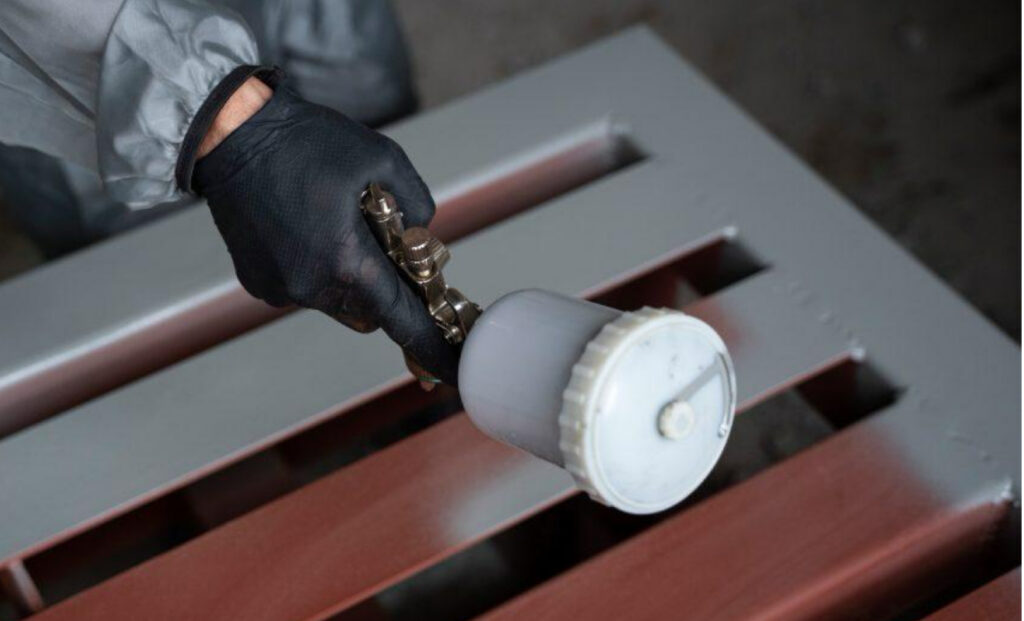
- Direct Coating Application: Uniform coverage is key, with sprays for complex shapes and brushes or rollers for flat surfaces.
- Layering and Curing: For maximum protection, apply primer and topcoat layers with proper curing times as recommended by 3M and Henkel to ensure lasting corrosion resistance.
- Quality Checks: Post-application inspection for coverage uniformity, thickness, and adhesion is recommended to verify metal protection efficacy.
Maintenance and Monitoring for Long-Term Rust Prevention
Rust prevention is an ongoing commitment. Even the most effective corrosion inhibitors and protective coatings require periodic maintenance and monitoring to sustain metal preservation:
- Regular Inspections: Routine inspections using tools and standards from Corrosion Technologies Inc. help detect coating damage and early corrosion.
- Surface Cleaning: Removing environmental contaminants, salts, and dirt maintains the integrity of surface coatings. Gentle cleaning avoids damaging the protective layers applied.
- Reapplication Protocols: Anti-rust sprays or coatings may need reapplication at set intervals, depending on performance and environmental exposure.
Through consistent maintenance and vigilant monitoring, protective coatings and chemical inhibitors retain their efficacy, ensuring long-term rust prevention and metal durability.