
Water pipes are an essential part of any residential or commercial building, providing a steady flow of water for various purposes. Unfortunately, these pipelines are sometimes prone to bursts, leading to a range of problems such as water damage, costly repairs, and potential health hazards. Understanding the common reasons for water pipe bursts and taking preventive measures can help individuals minimize the risk of facing such issues.
Some of the key factors that cause water pipes to burst include freezing temperatures, corrosion, and external pressure. As water freezes, it expands within the pipes, exerting immense pressure and causing them to burst. Corrosion, on the other hand, occurs over time, gradually weakening the pipe materials until they can no longer withstand the water pressure. Additionally, external factors such as tree roots and construction activities can apply force onto the pipes, causing them to crack or burst.
By identifying the potential hazards and applying preventive measures, homeowners and business owners can maintain the efficiency of their water pipes while prolonging their lifespan. This article will discuss different strategies for preventing pipe bursts, giving readers a comprehensive understanding of how to protect their plumbing systems and avoid unnecessary expenses.
Causes of Water Pipe Bursts
Frozen Pipes
Frozen pipes are a common cause of water pipe bursts, especially in colder climates. When water inside the pipe freezes, it expands and puts pressure on the pipe walls, leading to cracks or complete breaks. To prevent freezing, insulate pipes in unheated areas, maintain a minimum indoor temperature of 55°F, and allow faucets to drip slightly during extreme cold spells.
Corrosion and Wear
Pipes can also burst due to corrosion and wear. Older homes with galvanized steel or copper pipes are more susceptible to this issue. Corrosion occurs when metal reacts with its environment, causing the pipe to weaken and eventually burst. To prevent corrosion, consider replacing older pipes with more durable materials like PVC or PEX, and install water filtration systems to reduce minerals in the water supply.
High Water Pressure
High water pressure is another cause of water pipe bursts. Pressure exceeding 60 psi can damage pipes, leading to leaks and bursts. Signs of high water pressure include banging noises in pipes, short-lived appliances, and running toilets. To prevent damage from high water pressure, homeowners can install pressure-reducing valves and regularly check their water pressure with a pressure gauge.
Physical Damage
Finally, physical damage to pipes can lead to bursts. Construction work, renovations, or accidental impacts can cause cracks and punctures in pipes. Regular inspections and being mindful of the location of pipes when undertaking construction projects can help prevent physical damage.
Prevention and Maintenance
An essential aspect of protecting your home from water pipe bursts is taking preventative measures and committing to regular maintenance. In this section, we delve into four effective strategies: proper insulation, regular inspections, pressure management, and quality repairs.
Proper Insulation
To prevent water pipes from freezing and bursting, insulation is key. Insulate both hot and cold water pipes, especially those exposed to the elements or located in unheated areas like basements, crawlspaces, and garages. There are several insulation options, including:
- Pipe sleeves
- Insulating tape
- Foam tubes
- Spray foam insulation
If you live in an area with harsh winters, it may be wise to invest in electric heat cables to wrap around pipes, providing extra protection against freezing.
Regular Inspections
Conducting regular inspections of your plumbing system can help identify potential problems early, reducing the likelihood of pipe bursts. Here are some aspects to check:
- Inspect pipes for leaks and signs of wear
- Check for any signs of corrosion
- Assess insulation for damage or gaps
- Look for drips from faucets or showerheads.
Pressure Management
High water pressure puts a strain on your pipes, increasing the chances of a burst. To manage water pressure, take these steps:
- Monitor your water pressure with a pressure gauge. Ideally, pressure should be between 40 and 70 psi (pounds per square inch).
- Consider installing a pressure regulator to automatically maintain the desired water pressure in your home.
- Use water-saving appliances, such as low-flow showerheads and faucets, to reduce stress on your pipes.
Quality Repairs
When you encounter a water pipe issue, ensure proper repair is done—using quality materials and professional services whenever possible. High-quality repairs can extend the lifespan of your plumbing system and reduce the risk of pipe bursts.
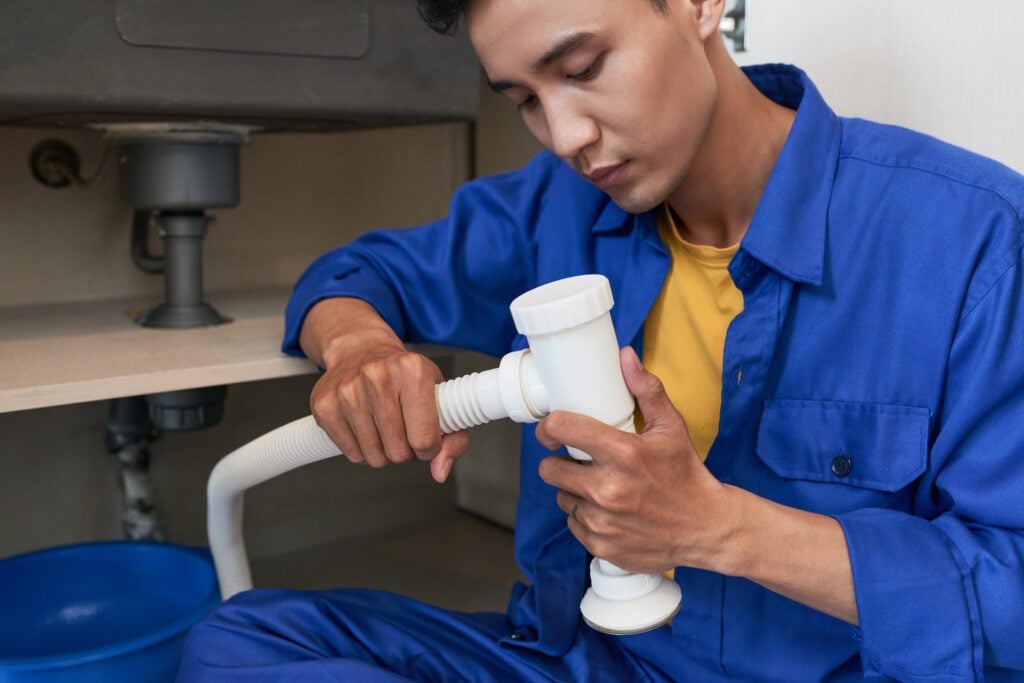
Should you opt for DIY repairs, research best practices and use the appropriate tools and materials. For more complex issues, however, seeking the expertise of a licensed plumber is the safest choice.
Emergency Response to Burst Pipes
Immediate Actions
When a water pipe bursts, it is important to act quickly and calmly. Keep in mind that water damage can lead to mold and mildew if not addressed promptly.
- Shut off the water supply: Locate the main water valve and turn it off to prevent further damage.
- Turn off electricity: If the water has reached any electrical outlets or appliances, shut off the power at the main electrical panel.
- Drain the pipes: Open all faucets to release any remaining water in the pipes.
- Soak up excess water: Use towels, mops, and buckets to remove as much water as possible from the affected area.
Professional Repair Services
Once the immediate actions have been taken, it’s essential to contact a reputable plumbing company. They will be able to:
- Identify the cause of the burst pipe: A professional plumber West Chester Ohio can pinpoint the cause of the issue and ensure that it won’t happen again.
- Repair or replace the damaged pipe: In some cases, repairing the pipe may be sufficient, but in others, it may need replacement.
- Inspect the rest of the plumbing system: An experienced plumber can check for any additional issues and recommend preventative measures to avoid future bursts.
Remember to inquire about the plumber’s licensing, insurance, and experience before hiring them to fix your burst pipe.