
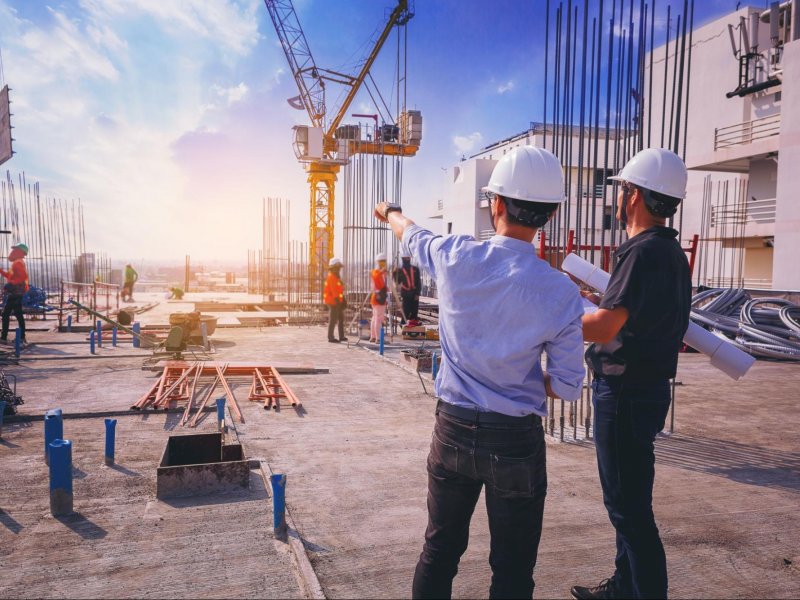
When it comes to building a new home, especially in projects involving custom home construction, there are countless decisions to make and moving parts to manage. While construction offers a world of opportunity for personalization and long-term investment, it’s also a complex process that can be derailed by common and often avoidable mistakes. Whether you’re a homeowner, contractor, or aspiring builder, understanding these pitfalls can save you time, money, and a great deal of frustration.
Rushing the Planning Phase
One of the most prevalent mistakes in construction is inadequate planning. It’s tempting to jump into the building phase, especially when enthusiasm is high. However, failing to thoroughly plan the design, budget, timeline, and approvals can lead to significant setbacks.
Why It Happens
- Homeowners may feel pressure to start quickly to meet move-in deadlines.
- Contractors might underestimate the complexity of the site or structure.
- There is often a disconnect between architects, designers, and construction teams.
How to Avoid It
- Conduct detailed planning sessions with all stakeholders before breaking ground.
- Account for permitting, zoning regulations, and weather conditions.
- Create a realistic timeline and include buffer periods for delays.
Investing time upfront in comprehensive planning sets the tone for a smoother construction experience.
Poor Communication Among Stakeholders
Construction projects involve multiple parties: homeowners, builders, architects, suppliers, and inspectors. If communication breaks down at any stage, mistakes are likely to follow.
Signs of a Communication Gap
- Conflicting instructions or last-minute changes
- Disputes over project scope or costs
- Missed deadlines and incorrect installations
Prevention Tactics
- Use project management tools to centralize communications.
- Set regular check-in meetings for updates and concerns.
- Make documentation accessible to everyone involved.
Clear and consistent communication fosters accountability and minimizes misunderstandings.
Underestimating the Budget
Another common pitfall is an unrealistic budget. It’s easy to focus only on the base construction costs and overlook additional expenses such as permits, landscaping, utility connections, or unexpected structural issues.
Budgeting Mistakes Include:
- Not accounting for price fluctuations in materials
- Ignoring contingency costs (typically 10-20% of the budget)
- Forgetting about post-construction expenses like furnishings or inspections
Smarter Budgeting Strategies
- Build a detailed line-item budget and update it frequently.
- Consult with experienced contractors to identify hidden costs.
- Secure fixed bids when possible to avoid budget creep.
A well-planned budget not only keeps your project financially sound but also reduces stress and surprise expenses.
Neglecting Site Conditions
Construction is never done in a vacuum. Soil quality, drainage, slope, access roads, and local climate all impact the process. Ignoring these factors can result in foundational issues or construction delays.
Common Site Oversights
- Building on unstable or wet ground
- Ignoring natural water flow or erosion risks
- Limited access for heavy equipment and deliveries
How to Get It Right
- Perform a thorough site analysis before finalizing designs.
- Hire professionals to conduct soil tests and topographic surveys.
- Design with the site’s natural characteristics in mind.
A proactive approach to site assessment ensures your home is built on a solid, lasting foundation.
Cutting Corners on Materials or Workmanship
In efforts to save money or speed up the process, some projects fall victim to substandard materials or rushed craftsmanship. These shortcuts may seem minor during construction but can lead to major issues down the line.
The Real Cost of Cutting Corners
- Premature wear and tear
- Higher maintenance and repair costs
- Reduced resale value or even structural failure
Best Practices for Quality Assurance
- Choose durable, tested materials that meet building codes.
- Verify licenses and credentials of subcontractors.
- Insist on quality inspections at key project milestones.
It pays to invest in quality upfront rather than dealing with repairs or replacements later.
Overlooking Legal and Regulatory Compliance
Building codes, permits, and inspections may seem like bureaucratic obstacles, but they are in place to ensure safety and legality. Skipping steps or misinterpreting regulations can result in costly fines or even demolition orders.
Common Legal Mistakes
- Skipping permit applications to save time
- Failing inspections due to non-compliance
- Building over easements or zoning boundaries
Staying in Compliance
- Work closely with local authorities and planning departments.
- Keep all documentation and approvals organized and up to date.
- Don’t rely on assumptions—double-check everything.
Staying compliant protects your investment and keeps your project on solid legal ground.
Not Planning for the Future
When designing and constructing a home, it’s important to think long-term. A design that suits your needs now might not work in five or ten years.
Forward-Thinking Considerations
- Energy efficiency and sustainable building practices
- Adaptability for aging in place or growing families
- Resale value and neighborhood development trends
Smart Planning Ideas
- Include extra storage and flexible living spaces.
- Invest in smart home wiring and energy-efficient systems.
- Consider accessibility features even if not needed immediately.
Planning for the future helps ensure that your custom home construction project stands the test of time.
Ignoring the Punch List and Final Inspections
Even after the bulk of construction is complete, the final phase is critical. Overlooking the finishing details or rushing the final inspection process can leave behind lingering issues.
What Goes Wrong
- Minor flaws like paint drips or uneven trim go unnoticed
- Systems aren’t properly tested (HVAC, plumbing, electrical)
- Legal occupancy requirements are not met
How to Wrap It Up Right
- Conduct a detailed walkthrough with a checklist
- Test all fixtures, systems, and appliances thoroughly
- Get official sign-offs and occupancy certificates
A meticulous finish ensures that your home is truly move-in ready.
Conclusion
Construction projects are exciting and full of potential, but they’re also vulnerable to a range of common mistakes. From planning and budgeting to communication and compliance, each phase presents unique challenges. By staying informed and engaged, you can minimize risks and ensure a smoother experience. Ultimately, building a custom home is not just about the final product—it’s about creating a process that’s efficient, transparent, and built to last.