

It’s a familiar scene on a sweltering Jacksonville afternoon: you crank up the AC, expecting a wave of cool, dry relief. But then you spot it. A small puddle forming under a ceiling vent. A damp spot mysteriously appearing on the wall. Or maybe you just can’t shake that sticky, humid feeling, no matter how low you set the thermostat.
These aren’t just minor annoyances; they are signals from your HVAC system that something is wrong. Your air conditioner is designed to remove humidity from the air, but when it starts leaking water into your home, it’s a sign of a problem that needs immediate attention. Ignoring a water leak from your AC ducts can lead to bigger issues down the road, including mold growth, structural damage, and costly repairs.
Fast action is the key to protecting your home. A simple issue like a clogged drain line or cracked insulation can quickly escalate if left untreated. For years, Air Tolentino team has helped homeowners across Jacksonville and Orange Park diagnose and resolve these exact problems, turning worrisome drips into dry, efficient, and healthy home environments.
This guide will walk you through everything you need to know-from identifying the cause to deciding whether you need a quick DIY fix or a professional’s help.
Why Is My AC Duct Leaking Water in the First Place?
To understand the leak, it helps to know what’s happening inside your walls and attic. Think of your AC ducts as the arteries of your home’s cooling system, carrying chilled air from the central unit to every room. For this process to work correctly, your system has to manage moisture effectively-a major challenge in Florida’s humid climate.
When water appears, it’s almost always due to one of these three culprits.
1. The Main Suspect: Condensation Overload
Your air conditioner works by blowing warm, humid indoor air over cold evaporator coils. This process chills the air and causes moisture to condense out of it-just like how water droplets form on a cold glass of sweet tea on a hot day.
Normally, this water drips into a collection pan and flows safely outside through a condensate drain line. But problems arise when there’s too much condensation, causing the ducts themselves to “sweat.” This happens when:
- High Indoor Humidity: In Jacksonville, outdoor humidity can easily creep inside. If your indoor humidity rises above 50-60%, your AC system works overtime, creating excessive condensation that can overwhelm the drainage system.
- Poorly Insulated Ducts: When cold air flows through ducts in a hot space (like your attic), the outside of the duct becomes very cold. The warm, moist attic air hits this cold surface and creates condensation directly on your ductwork, which then drips onto your ceiling.
2. The Bottleneck: A Clogged Condensate Drain Line
Your AC’s drain line is its plumbing system. Over time, this small pipe can become clogged with dust, algae, and other gunk. When that happens, the water has nowhere to go. It backs up into the drain pan, which eventually overflows and spills into your air handler, ducts, or ceiling.
Look out for these signs of a clog:
- A musty, mildew-like smell near your indoor AC unit or vents.
- Your AC system shutting off unexpectedly (many units have an automatic shut-off switch to prevent water damage when the pan fills).
- Gurgling sounds coming from your indoor unit.
3. The Weak Link: Damaged or Failing Insulation
Proper insulation is the protective jacket for your ductwork. It keeps the cold air inside the ducts from meeting the hot, humid air outside. When this insulation is old, compressed, torn, or was installed incorrectly, it fails.
You might see:
- Gaps or tears in the silver or black wrapping around your ducts.
- Insulation that looks wet, clumpy, or moldy.
- “Sweating” or visible water droplets on the outside of the metal or flexible ducts in your attic or crawl space.
The Telltale Signs: How to Spot a Duct Leak Early
Your home will give you clues long before a ceiling collapses. Learning to recognize these early warnings can save you thousands in repairs.
The Obvious Sign: Puddles and Drips
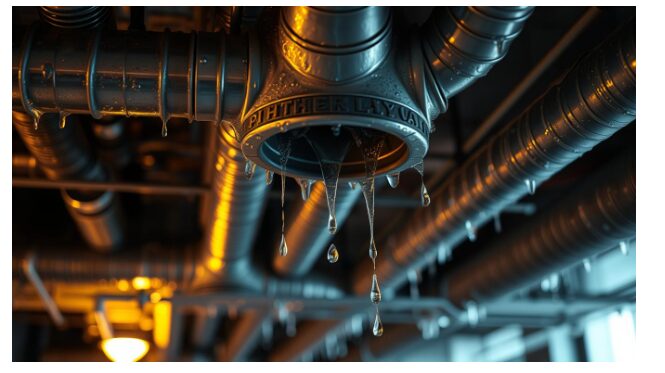
This is the most direct symptom. If you see water pooling on the floor beneath a vent or notice damp spots and discoloration on your ceiling or walls, you have an active leak. Don’t dismiss a small spot-it’s evidence that water is collecting somewhere and is the first sign of ductwork water damage.
The Feeling
Does your house feel sticky and damp even when the AC is running constantly? Leaky ducts can pull in hot, humid air from your attic or crawl space. This forces your AC to work harder, not smarter. It struggles to dehumidify the air, leaving you feeling uncomfortable and raising your energy bills. A simple hygrometer can confirm this; if your indoor humidity is consistently above 55%, your ducts might be part of the problem.
The Smell
That “old, damp basement” smell is a major red flag. When water leaks into dark, hidden spaces like your ductwork, it creates the perfect breeding ground for mold and mildew. You might notice a musty odor that gets stronger when the AC kicks on. In more advanced cases, you may even see black or greenish spots forming on the drywall around a vent.
Your Action Plan
Before you can fix the problem, you need to find its source. With a flashlight and a few minutes, you can often pinpoint the general area of the issue. Safety first: If you need a ladder to access your attic or feel unsafe at any point, stop and call a professional.
Step 1: The Visual Ductwork Inspection
If you can safely access your attic, basement, or crawl space, take a look at the exposed ductwork.
- Look for Tears or Gaps: Scan the entire length of the ducts. Do you see any obvious rips in flexible ducts or disconnected joints in metal ducts?
- Feel for Dampness: Gently run your hand along the underside of the ducts. Do you feel moisture? Is the insulation soggy?
- Check the Connections: Pay close attention to the points where ducts connect to each other or to the main unit (the plenum). These joints are common failure points.
Step 2: Check the Condensate System
Find your indoor air handler (often in a closet, garage, or attic). You’re looking for the drain pan, which sits directly underneath the unit.
- Is the Drain Pan Full? If you see standing water in the pan, you’ve likely found your culprit: a clogged drain line.
- Is the Pan Cracked or Rusted? An old, damaged pan can also be the source of the leak.
- Locate the Drain Line Exit: Find where the condensate line (usually a white PVC pipe) exits your home. Is it dripping steadily when the AC runs? If not, it’s likely clogged.
Step 3: Assess the Insulation Quality
While inspecting your ducts, take a closer look at the insulation.
- Is it wrapped tightly and sealed at the seams?
- Are there areas where it has been crushed, torn, or pulled away, exposing the duct surface?
- Does the insulation itself look discolored or feel damp?
Poor insulation is a direct cause of condensation, and replacing it is often a key part of the solution.
The Ripple Effect: Why a Small Drip Is a Big Deal
It’s tempting to put a bucket under a drip and forget about it, but an AC duct leak is more than just a water problem. It’s a threat to your home’s structure, your family’s health, and your wallet.
- Structural Damage: Water from a leaking AC duct soaks into everything it touches: drywall, wood joists, and flooring. Over time, this leads to weakened ceilings, warped floors, and crumbling walls. What starts as a $200 repair can easily turn into a $2,000+ restoration project.
- Serious Health Risks: Damp, dark ductwork is a five-star resort for mold and mildew. These fungi release spores into the air that your AC then circulates throughout your entire home. For family members with allergies, asthma, or other respiratory conditions, this can trigger constant flare-ups, sneezing, coughing, and other health issues.
- Wasted Money and Energy: Leaky ducts force your HVAC system to run longer and harder to cool your home, driving up your monthly JEA bill. Furthermore, the constant strain from fighting excess moisture and airflow problems can shorten the lifespan of your expensive AC unit by several years.
A DIY Fix vs. Calling a Professional
Once you have an idea of the cause, it’s time to decide what to do next. Some minor issues can be handled yourself, but many require an expert’s tools and knowledge.
Quick Fixes You Can Safely DIY
If your inspection reveals a very minor issue, you might be able to handle it.
- Clearing a Minor Drain Line Clog: If you can easily access the end of your condensate drain line outside, you can use a wet/dry vacuum to try and suck the clog out.
- Sealing a Tiny Gap: For a small, accessible tear or loose joint, you can use aluminum foil tape (never use standard duct tape, as it can’t handle the temperature changes) or a mastic sealant to seal the leak.
Important: These are temporary solutions. If the problem returns or if you see significant water, it’s a sign of a deeper issue.
When You Absolutely Need to Call an HVAC Professional
DIY is great, but some jobs are best left to the experts. Call a qualified technician if you encounter any of the following:
- Significant water pooling or major ceiling stains.
- The leak comes back after your DIY attempt.
- You suspect the leak is inside a wall or inaccessible area.
- Your AC system is short-cycling (turning on and off frequently).
- You see significant rust or corrosion on your AC components.
- You simply don’t feel comfortable or safe performing the diagnosis.
Attempting to repair a complex HVAC issue without professional training can result in costly damage or personal injury. For accurate diagnostics and dependable repairs in Jacksonville, Orange Park, and nearby areas, trust the certified experts at Air Tolentino. Their team is equipped to identify the exact source of the problem such as refrigerant leaks and deliver a clear, lasting solution to keep your home safe and comfortable. For assistance, contact Air Tolentino at 904-314-4564.
Keeping Your Ducts Dry for Good
The best way to deal with a leak is to prevent it from ever happening. A little routine maintenance goes a long way.
- Change Your Air Filter Regularly: A clogged filter restricts airflow, putting stress on your system and increasing the risk of condensation. Check your filter monthly and change it every 1-3 months.
- Keep Your Drain Line Clear: Once a year, have a professional flush your condensate drain line to remove any sludge or algae buildup before it can cause a blockage.
- Schedule Annual HVAC Tune-Ups: A professional inspection can catch failing insulation, early signs of corrosion, and other potential issues before they turn into emergency leaks.
Protect Your Home and Your Comfort
Your air conditioning system is the heart of your home’s comfort, especially during a long Florida summer. A water leak in your AC ducts is a problem that should never be ignored. By understanding the causes, spotting the signs early, and taking decisive action, you can protect your property, ensure your family breathes clean air, and keep your cooling system running efficiently for years to come.
Don’t let a small drip turn into a disaster. If you’re facing a leak, remember that expert help is just a phone call away.
Frequently Asked Questions (FAQs)
Q: How can I spot an AC duct leak early?
A: Look for puddles or damp spots near vents, a persistent musty odor, or a sudden increase in indoor humidity. Monthly visual checks of your vents and accessible ductwork during peak cooling season are great for catching issues before they escalate.
Q: Are water leaks from an AC unit covered by home insurance?
A: It depends on the policy and the cause. Most policies cover “sudden and accidental” damage but often exclude damage from gradual leaks or lack of maintenance. Document any damage with photos immediately and keep records of all professional repairs, as insurers often require this for a claim.
Q: Why is water dripping from my air conditioner ducts?
A: The most common causes are a clogged condensate drain line, which causes water to back up and overflow, or poorly insulated ducts. When cold ducts are exposed to warm, humid air (like in an attic), condensation forms on the outside and drips down.
Q: Can I temporarily fix a leaking duct myself?
A: For very small, accessible holes or gaps, you can use aluminum foil tape or mastic sealant as a temporary patch. However, this won’t solve underlying problems like a major drainage issue or widespread insulation failure. If water is actively pooling, a DIY fix is not recommended.
Q: When does condensation on my ducts become an emergency?
A: You should act with urgency if you see ceiling stains that are visibly growing or if you can hear active dripping inside your walls. This indicates a significant water flow that can cause rapid structural damage, create electrical hazards, and lead to widespread mold growth.
Q: How often should I have my ducts inspected to prevent moisture?
A: It’s best practice to have your entire HVAC system, including the ductwork and drainage, professionally inspected and serviced at least once a year. A pre-summer tune-up is ideal for ensuring your system is ready for the heavy workload.
Read More From Techbullion