Data centers are always on, providing digital services, cloud computing, and enterprise applications that require dependable performance. Keeping servers at a proper temperature requires a lot of electricity; however, this is especially true when cooling systems can’t keep up with the uncontrolled flow of air. Cold aisle containment provides a viable solution that separates the cold supply air from the hot exhaust air, thereby allowing more efficient cooling and less energy wastage. The facility operator can use this knowledge to create more efficient, scalable, thermally stable data center environments.
- Understanding the Role of Cold Aisle Containment
A traditional data centre may have cooling units that can discharge cold air into the hot air of exhausts before it reaches server intakes. This mixing lowers the effectiveness of cooling and makes air conditioning equipment operate at a higher rate to keep the operating temperature at an acceptable level.
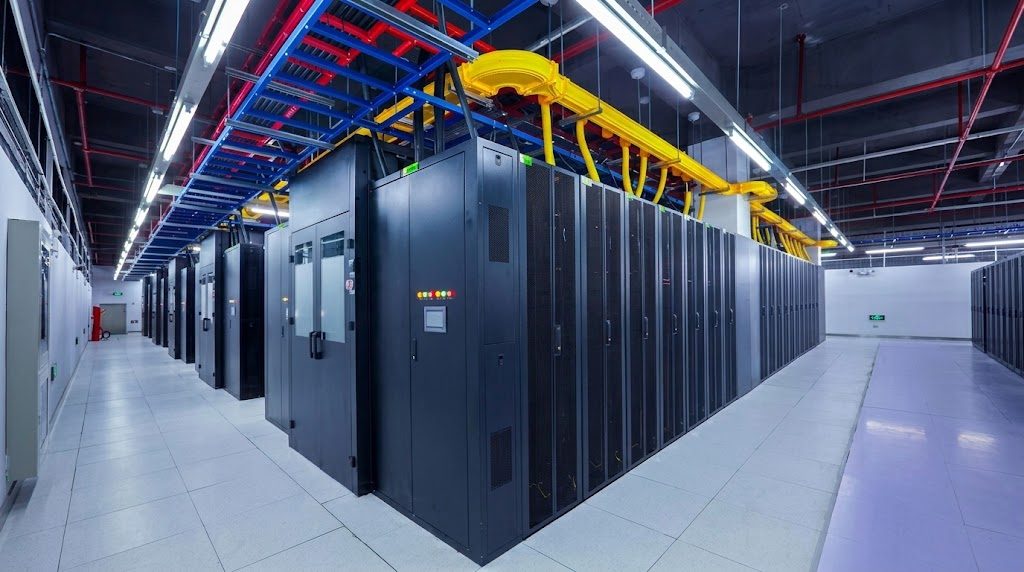
Cold aisle containment is a solution that deals with this issue by enclosing the front-facing aisles of server cabinets. Cold air is directly delivered to equipment intakes via roof panels, doors, and containment barriers, which form a controlled space. The system reduces unwanted mixing to optimize the use of available cooling capacity and helps maintain uniform thermal environment conditions throughout server rows.
- Reducing Cooling Energy Through Controlled Airflow
Cooling efficiency is dependent upon getting the correct amount of cold air to the equipment requiring it. If not contained, cold air can leak out through gaps or go around the server racks or be mixed with hot return air, which introduces an unnecessary cooling demand.
An enclosed cold aisle helps to direct the supply air to the server intakes and not into the room. Blanking panels will properly seal unused rack spaces and block cold air from flowing through empty spaces and not cooling active equipment.
This setup can minimize air loss and improve the efficiency of cooling systems. Facilities may be able to slow down fan speed and reduce cooling output and electricity consumption depending on existing infrastructure, containment design, and control settings.
- Improving Temperature Management and Cooling Performance
Maintaining stable temperatures is crucial to ensure the proper functioning of the servers without overcooling. If hot exhaust air is recirculated into equipment inlets, hot spots can occur, which leads operators to reduce the cooling setpoints throughout the room.
Cold aisle containment provides a more predictable supply-air environment and thus reduces this risk. Key factors to consider when comparing solutions by experienced Cold Aisle Containment Manufacturers include cabinet compatibility, containment sealing, airflow capacity, and integration with existing cooling infrastructure.
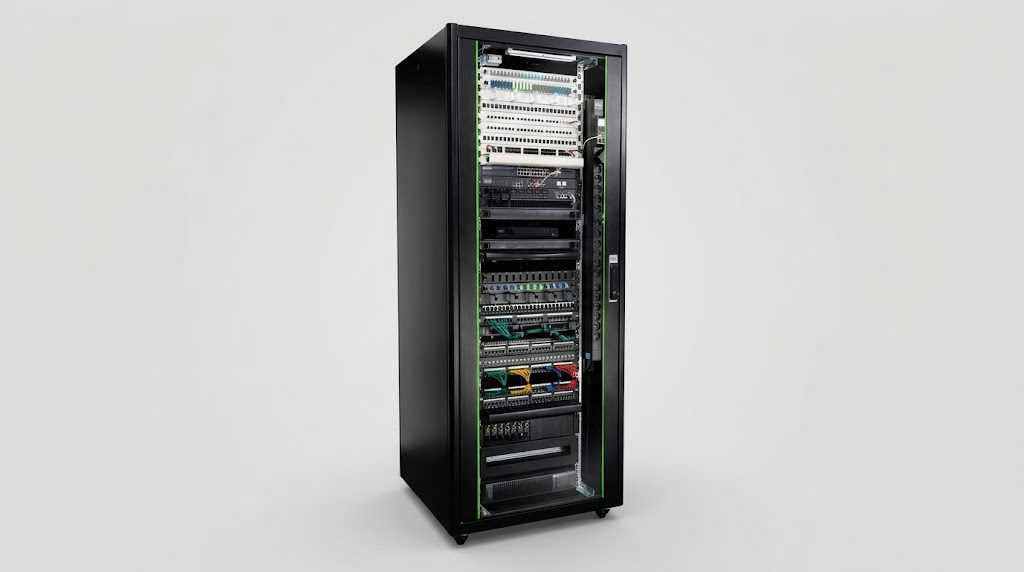
Effective air delivery is supported by perforated cabinet doors, properly-sized openings, and clever aisle enclosures. Suntech offers cold aisle containment solutions for both server cabinets and aisle doors, roof covers, and blanking panels, as well as for organized airflow management in data centers.
- Lowering Energy Consumption Through Better Cooling Controls
With the enclosed aisle, temperature sensors and cooling controls can be more effective, as containment helps to establish a well-defined thermal zone. It allows operators to track intake temperatures and adjust as per equipment requirements.
If there is a proper balance of airflow, cooling units may be able to run at lower fan power or with less intense refrigeration. But this saving is dependent on the equipment capabilities, environment, and commissioning quality. Coordinated control strategies are necessary; containment is not enough to reduce energy use.
- Key Design Features That Support Energy Efficiency
Doors and roof panels are not enough to provide effective containment. Each component plays a role in controlling airflow, accessibility, and safety of operation.
- Roof panels and aisle doors: These provide the physical enclosure, which helps minimize cold supply air loss to the adjacent room.
- Blanking panels: These panels are used in unused rack spaces to reduce the amount of cold air that can flow around and thus increase the flow of cold air through the operating equipment.
- Perforated cabinet doors: Adequately rated perforation allows air to flow in and out of server cabinets while retaining the cabinet structure.
- Sealing components: Brushes and good sealing of doors and containment interfaces minimize leakage.
- Fire safety integration: Compatible roof-opening mechanisms can be integrated into the operation of approved fire protection systems, as per the facility’s fire strategy and applicable requirements.
Modular construction also enables facilities to add containment as needed, increasing capacity as the number of servers grows without requiring they rethink the building of the whole installation.
- Supporting High-Density Computing and Future Expansion
Today, data centers are seeing more and more workloads that can produce a significant amount of heat in a small rack footprint. These spaces can be very demanding on cooling systems and electric power consumption if the airflow is not properly controlled.
Cold aisle containment is a good way to focus cooling where equipment requires it, offering greater flexibility when it comes to changing rack configurations. Modular systems can ease installation, relocation, and future expansion and enable operators to match the containment capacity to their infrastructure needs.
Based on proven production processes and quality management, Suntech produces data center racks, network cabinets, as well as containment. Choosing cabinets and containment equipment that work together and can be integrated provides the ability to support efficient airflow as computing needs evolve.
- Measuring Energy Savings and Operational Results
Lower room temperature is not enough to evaluate containment performance. Before and after implementation, operators should evaluate cooling electricity consumption, server inlet temperature, airflow distribution, and overall facility efficiency.
Power Usage Effectiveness (PUE) is a measure of energy used by all equipment in the data center divided by the energy used by the IT equipment. It can be used as an indicator for the facility level. Lower PUE typically means that there is less extra energy required to operate the computing equipment – though IT load changes can impact the outcome.
Installation of containment should also be confirmed not to inhibit equipment airflow, maintenance, or fire suppression needs. When a building is properly commissioned and continually monitored, expected efficiency gains can be achieved and the benefits seen in operation.
Conclusion
Cold aisle containment minimizes data center energy waste by blocking the flow of cold supply air from hot exhaust air, enhancing airflow direction and allowing cooling systems to more effectively meet equipment requirements. Its benefits are maximized when used in combination with enclosure design, blanking panels, cooling controls, and temperature monitoring. A well-designed containment system can provide a realistic solution to reduce cooling requirements, enhance thermal stability, and implement more sustainable long-term energy management practices for organizations looking for more efficient and scalable infrastructure solutions.