
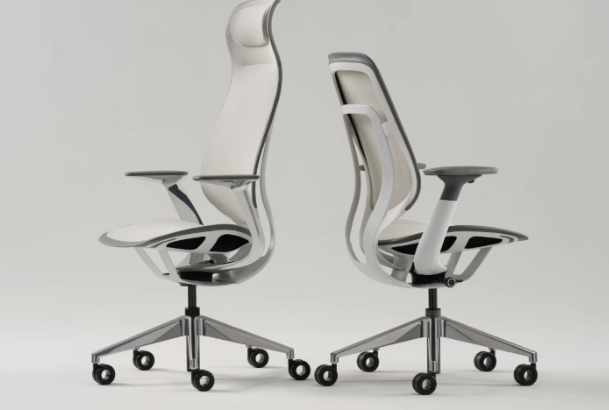
In 2026, businesses are rethinking how office furniture supports employee comfort, workplace functionality, and long-term value. As hybrid work continues to shape office design, selecting the right commercial office chairs and ergonomic office furniture has become an important part of creating adaptable and professional work environments.
Rather than focusing on appearance or upfront cost alone, corporate buyers are evaluating adjustability, material quality, durability, and suitability for different work settings. Choosing the right ergonomic office chair starts with understanding the needs of each space, from executive offices to collaborative workstations.
I. Key Factors in Choosing an Ergonomic Office Chair
When selecting an ergonomic office chair, businesses should consider material, adjustability, comfort, and durability based on the needs of each workspace. Leather office chairs offer a refined look for executive offices, while a mesh office chair provides a breathable option for shared workstations and collaborative environments.
Beyond appearance, key features such as lumbar support, adjustable seat height and depth, armrest positioning, and recline functionality can help users find a suitable seating position. For organizations investing in ergonomic office furniture, the best choice depends on user needs, expected hours of use, maintenance requirements, and workstation design.
II. Seating Solutions for Four Corporate Work Environments
Different workplace environments require different seating features. A scenario-based approach helps businesses balance design, adjustability, durability, and budget when selecting commercial office chairs.
Scenario A: Executive and Leadership Spaces
Key priorities: Refined design, personalized adjustment, and a professional appearance.
An executive office chair should complement the character of a leadership space while providing the support and adjustment options needed for daily use. Upholstery, armrest design, back support, and coordination with executive desks are all important selection criteria.
The Steelcase Gesture is one option for organizations seeking extensive armrest and seating adjustments. For a design-conscious alternative, the Lira Ergonomic Office Chair from Eureka Ergonomic offers another option to consider when coordinating seating with a modern executive interior.
The final choice should reflect the organization’s design standards, user preferences, and procurement budget.
Left Picture Resource: https://images.steelcase.com/image/upload/c_fill,q_auto,f_auto,h_900,w_1600/v1706027957/23-0222413_4x3.jpg
Scenario B: High-Tech R&D and Deep-Focus Workstations
Key priorities: Adjustability, sustained comfort, and practical ergonomic support.
Employees in technology, engineering, and other focus-intensive roles may spend extended periods working at a desk. An adjustable office chair with appropriate lumbar support, seat-depth adjustment, and recline functionality can help accommodate different body dimensions and sitting preferences.
TheNivo Ergonomic Office Chair from Eureka Ergonomic is a candidate for organizations evaluating seating options for these workstations. Buyers should review its specific adjustment features and product specifications to determine whether they meet the needs of their teams.
The UPLIFT Desk Pursuit is another option to compare when assessing alternative seating designs. In either case, the most useful criteria are how well the chair fits the user, supports different sitting positions, and integrates with the workstation.
Left Picture Resource: https://www.upliftdesk.com/_next/image/?url=https%3A%2F%2Fwww.content.upliftdesk.com%2Fcontent%2Fimg%2Fpages%2Fproducts%2FCHR455%2Ftab-chr455-pursuit-chair-7.jpg%3Fv%3D11&w=1920&q=100
Scenario C: Creative Studios and Collaborative Spaces
Key priorities: Visual flexibility, breathable materials, and everyday usability.
Creative studios and collaborative workspaces often combine individual tasks, group discussions, and flexible desk arrangements. Seating should complement the visual design of the space without compromising everyday practicality.
A mesh office chair may be a suitable option for teams that value airflow and a lighter visual profile. The Branch Ergonomic Chair is one example of a minimalist design that can work well in contemporary creative environments.
When comparing options, organizations should consider chair dimensions, ease of adjustment, mobility, and how the seating fits with the surrounding desks and shared furniture.
Suggested image: An open creative studio with flexible workstations and coordinated seating.
Picture Resource: https://www.branchfurniture.com/cdn/shop/files/bb2_e358b257-fee0-4c22-9782-8e45e1d4ac1b.webp?v=1740774897&width=540
Scenario D: General Workstations and Shared Office Areas
Key priorities: Consistent specifications, durability, and ease of maintenance.
General workstations and shared offices require commercial office chairs that can accommodate different users while maintaining consistent furniture standards. For these environments, practical adjustability, durable construction, easy-to-clean materials, and straightforward maintenance are important purchasing considerations.
TheOnyx Series Office Chair from Eureka Ergonomic can be considered by organizations looking to establish a consistent seating configuration across general work areas.
The Humanscale Liberty provides another point of comparison for buyers evaluating automatic recline mechanisms and alternative approaches to seating adjustment.
For larger purchasing programs, businesses should consider not only the upfront cost of each chair but also expected service life, maintenance requirements, replacement needs, and overall ownership costs.
III. Conclusion: A More Thoughtful Approach to Office Seating
Choosing the right ergonomic office chair is about more than appearance or individual product features. It requires understanding how different teams use their workspaces and matching seating solutions to those needs.
From a refined executive office chair to a breathable mesh office chair for shared workstations, effective selection balances adjustability, material preferences, durability, and maintenance requirements.
For organizations planning their ergonomic office furniture investments, a scenario-based approach provides a practical foundation for creating cohesive, comfortable, and adaptable work environments.