
Flying with a young child requires a different kind of planning from travelling alone. Parents must keep track of tickets, identification, carry-on bags, snacks, and everything a baby or toddler may need during the journey. Adding a stroller to the mix can make airport navigation easier, but only if it is manageable through security, boarding, and transfers between flights. A bulky model or complicated folding mechanism may create unnecessary stress when time is limited.
Choosing the best travel stroller for airplane journeys involves more than finding the smallest option available. Parents need to consider weight, folded dimensions, handling, comfort, and airline policies before deciding which features matter most. The right choice depends on the child's age, the length of the journey, and how often the stroller will need to be carried or stored. Planning for these details in advance can make airport days more organized and less tiring.
Why Airport Travel Calls for a Different Stroller
Airports involve frequent transitions between walking, waiting, standing in queues, and moving through crowded areas. Parents may need to stop to check a boarding pass, collect luggage, or help an older child while keeping a younger one comfortable. A stroller that turns easily and is simple to manage can make these movements less complicated, especially in busy terminals where space is limited.
Weight becomes particularly important when the stroller needs to be lifted rather than pushed. Parents might carry it through a narrow boarding area, place it in a vehicle, or fold it while holding other belongings. A lightweight frame can reduce the effort involved, but it should still offer suitable support, reliable brakes, and a secure harness. The goal is to find a practical balance between portability and the features a child needs throughout the journey.
Understanding Airline Rules Before Choosing a Stroller
One common mistake is assuming that every compact stroller can be taken into an aircraft cabin. Airlines have their own requirements for cabin baggage, stroller dimensions, weight, and storage, and these rules may differ between routes or aircraft. Some carriers allow eligible strollers in the cabin when space permits, while others require them to be checked at the gate or handed over before boarding.
Parents should review the current policy of every airline involved in their trip, including connecting carriers. They should also ask whether the stroller needs to be folded before boarding and where it will be returned after landing. A stroller's advertised travel-friendly design does not guarantee cabin acceptance, so checking the rules in advance helps avoid last-minute surprises at the gate.
Features That Help When Every Minute Counts
A quick folding mechanism can be valuable when boarding begins and passengers are moving toward the aircraft. Parents may have only a short time to fold the stroller, secure their belongings, and keep their child close. Practising the folding process at home can help make it familiar, while a design that opens and closes without several complicated steps may reduce pressure during busy transitions.
Folded dimensions are equally important because a stroller that fits easily into a car trunk may still be too large for an airline's cabin-storage requirements. Parents should compare the manufacturer's measurements with the airline's current limits rather than relying on general descriptions such as compact or travel-sized. It is also worth checking whether accessories need to be removed before folding, since an organizer, cup holder, or other attachment may affect the final size.
Planning for Comfort During Long Airport Waits
Airport travel can involve extended periods of sitting, standing, and waiting. Children may become tired before the family even boards the plane, particularly when a journey begins early in the morning or includes a long connection. A suitable seat, an adjustable backrest, and a comfortable footrest can make it easier for a child to rest during these waiting periods. Parents should check that the stroller's seating arrangement is appropriate for their child's age and development.
Weather and airport conditions also affect comfort. A canopy can provide shade when walking outdoors between transport points, while breathable fabrics may help during warmer weather. Parents should keep water, snacks, spare clothing, and other necessities accessible without overloading the stroller. A well-organized bag can prevent repeated searching through luggage when a child needs something quickly, making the waiting period more manageable for everyone.
Choosing a Stroller That Works Beyond the Airport
A stroller purchased for air travel will often be used during everyday activities as well. Families may take it to shops, parks, restaurants, and visits with relatives, so choosing solely for occasional flights can overlook important daily needs. Maneuverability, storage capacity, wheel performance, and ease of cleaning all influence how useful a stroller will be after the holiday ends.
Parents who frequently move between a car and pedestrian areas may benefit from a frame that is easy to lift and store. A stroller on airplane journeys also needs to fit into the family's wider travel routine, from getting through airport queues to exploring the destination after landing. Before making a decision, consider how often the stroller will be folded, the surfaces it will encounter, and the amount of space available in the family's vehicle or home. These everyday details can help determine whether a model is genuinely practical rather than simply convenient for one part of the trip.
When a Stroller Needs to Support a Growing Child
Some families travel with newborns, while others fly with babies who can sit upright or toddlers who need a place to rest after walking. These different stages affect which stroller features are appropriate. Parents travelling with a newborn should look for a bassinet or another approved arrangement designed for that age, while families with older babies may prioritize a lighter frame, compact fold, and easy maneuverability.
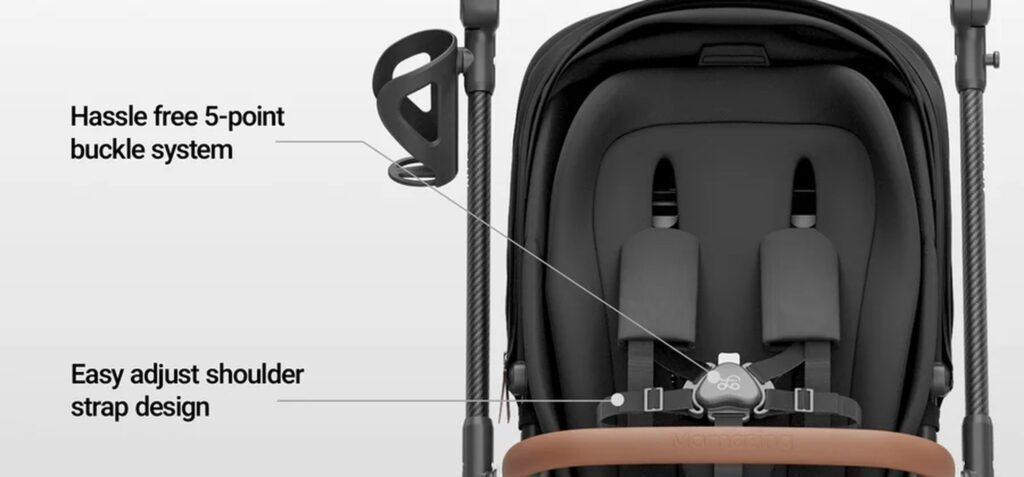
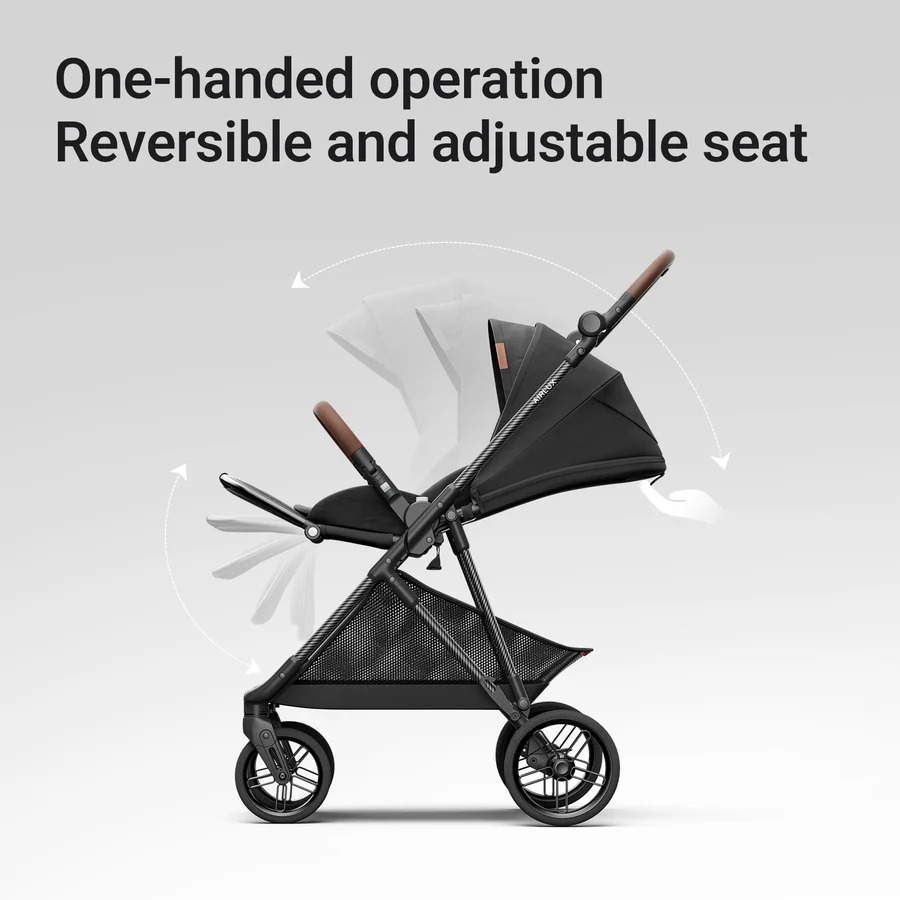
The MAMAZING Air Lux Stroller With Bassinet is designed to accommodate different stages of early parenthood through its bassinet and stroller-seat options. The stroller frame with seat weighs approximately 15.8 pounds and folds to about 21.1 × 12 × 27 inches. The bassinet is intended for newborns up to around six months, while the stroller seat is designed for children from approximately six months to three years, with a maximum seat weight of 50 pounds. The product also features one-handed folding, a reversible seat, a five-point harness, an adjustable handlebar, and a storage basket with a stated capacity of 30 pounds. Parents should review the product instructions and airline requirements before deciding whether its dimensions and setup suit a particular trip.
Making Tight Connections Less Stressful
Connecting flights can be challenging because passengers may need to move quickly between gates, follow unfamiliar airport signs, or travel to another terminal. Families should check the airport layout in advance when possible and allow enough time for security procedures, boarding, and child-related breaks. A stroller that is easy to steer through crowds can help, but it cannot replace realistic connection planning or the need to follow airline instructions.
It also helps to prepare a simple system for handling belongings. Keep boarding passes and essential documents easy to reach, pack frequently needed child supplies near the top of a carry-on bag, and decide in advance who will manage the stroller if two adults are travelling together. If travelling alone, practise folding the stroller while managing a bag so the process feels less unfamiliar. These small preparations can reduce confusion when time is limited and help parents focus on safely guiding their child through the airport.
FAQs
Can I take a travel stroller into the airplane cabin?
Possibly, but it depends on the airline's rules, the stroller's folded dimensions, and available cabin storage. Some airlines permit certain compact strollers in the cabin, while others require gate-checking or regular baggage check-in. Confirm the policy for every carrier on your itinerary before departure.
Should I choose the lightest stroller available for air travel?
Low weight can make lifting and carrying easier, especially during transfers and boarding. However, parents should also consider folding size, safety features, comfort, maneuverability, and whether the stroller is suitable for the child's age. A slightly heavier model may be more useful if it better matches the family's everyday needs.
How can I prepare my stroller before reaching the airport?
Check that the stroller is working correctly, practise folding it, and remove or secure loose accessories as directed by the manufacturer. Confirm the airline's handling requirements and keep essential child supplies in an accessible bag. It is also sensible to label the stroller if the airline recommends identification for checked or gate-checked equipment.
Making the Journey Easier From Departure to Arrival
A smoother airport experience usually comes from combining suitable equipment with practical preparation. Parents should compare stroller weight and folded dimensions, check airline policies, and think about how the stroller will work during waiting periods, transfers, and activities at the destination. Comfort, safe seating, and reliable handling remain important even when portability is the main reason for choosing a particular model.
The best option is the one that suits the child's needs and the family's actual travel habits. A manageable frame and simple folding process can make airport transitions easier, while appropriate seating and useful storage can support everyday outings after the flight. With realistic expectations and a little preparation, parents can reduce avoidable travel stress and spend more time focusing on the experience of travelling together.