
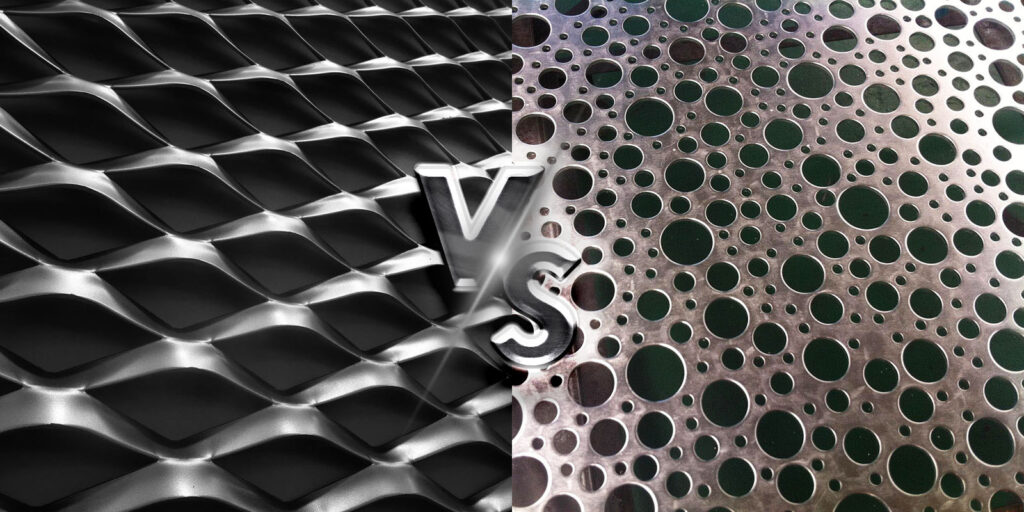
Selecting the right expanded metal can be the difference between a successful project and one that falls short of expectations. Expanded metal offers versatility in applications ranging from industrial to decorative uses. Understanding the specific requirements of your project will guide you in choosing the best type.
Consider the material of the expanded metal itself. Steel, aluminum, and stainless steel each have distinct properties that make them suitable for different environments. For instance, aluminum offers lightweight strength, ideal for architectural projects, while stainless steel provides excellent resistance to corrosion.
The pattern and gauge of expanded metal are also crucial factors. A finer mesh might be necessary for detailed work or safety applications, while a coarser mesh can offer greater structural support. Choosing the right combination of material, pattern, and gauge ensures your expanded metal will meet your project’s demands effectively.
Understanding Expanded Metal
Expanded metal is a versatile material created by cutting and stretching metal sheets into a mesh or grid. It’s widely used in various applications, offering different patterns, sizes, and materials.
Basics of Expanded Metal
Expanded metal is manufactured by transforming metal into a patterned sheet. A series of slits are made in the sheet, followed by a stretching process that transforms the metal into a grid. This material provides strength and flexibility, allowing for various thicknesses and sizes suitable for different uses.
Common materials include steel, aluminum, and stainless steel. Each type offers unique properties; for instance, steel provides high strength, while aluminum offers lightweight and corrosion resistance. This makes expanded metal a popular choice in construction, filtration, and security applications.
Types of Expanded Metal
Expanded metal comes in several types based on pattern and use. Some common types include standard, flattened, and decorative expanded metal.
- Standard expanded metal: Characterized by a raised, diamond-shaped pattern. It offers increased strength and rigidity.
- Flattened expanded metal: This type is passed through rollers to achieve a smooth, flat surface, making it ideal for applications requiring a sleek finish.
- Decorative expanded metal: Features aesthetically pleasing patterns, often used in architecture and interior design.
Each type provides distinct advantages tailored to specific needs, whether for structural support, refined appearance, or unique design elements.
Factors to Consider When Choosing Expanded Metal
When choosing expanded metal, several factors are crucial for ensuring the material meets the project’s requirements. These include material selection, thickness and strand dimensions, and weight and structural needs.
Material Selection
The choice of material is vital because it impacts durability, corrosion resistance, and suitability for different environments. Selecting the correct material from the best expanded metal suppliers ensures the product will perform effectively in its intended application. Common materials include:
- Steel: Offers strength and is cost-effective but may require galvanization for corrosion resistance.
- Aluminum: Lightweight and resistant to rust, ideal for outdoor use.
- Stainless Steel: Provides excellent corrosion resistance but is more expensive.
Thickness and Strand Dimensions
Thickness and the dimensions of the strands affect both the strength and flexibility of the expanded metal. Balancing these factors is essential for achieving the desired mechanical properties and performance.
- Gauge of the Metal: Determines the overall thickness and directly impacts strength.
- Strand Width and Length: Wider and thicker strands offer more strength but less flexibility.
- Opening Size: Smaller openings provide more strength and security, while larger openings reduce weight but may compromise integrity.
Weight and Structural Requirements
The weight of the expanded metal and its structural requirements must align with the project’s specifications. Choosing the right weight and structural properties ensures that the expanded metal will meet or exceed the project’s performance expectations.
- Load-Bearing Capacity: Ensure the material can support the expected loads.
- Weight Distribution: Lightweights are easier to handle and install but may not offer the same strength as heavier options.
- Compliance with Standards: Verify that the chosen metal meets any relevant industry standards and regulations for safety and durability.
Applications of Expanded Metal
Expanded metal is versatile, offering a variety of uses across different sectors. These range from striking architectural features to robust industrial and security implementations.
Architectural Uses
Expanded metal is a popular choice in modern architecture, known for its aesthetic appeal and functionality. It is often used in building facades, sunscreens, and decorative elements. Architects appreciate its ability to add texture and depth to a building’s exterior or interior. Its lightweight nature makes installation easier without sacrificing structural integrity.
The material also provides excellent ventilation while providing shade and privacy, making it ideal for open-air structures and urban installations.
Industrial and Security Applications
In industrial settings, expanded metal proves essential for its durability and strength. Common applications include walkways, machine guards, and enclosures. Its open design allows for efficient airflow and visibility while maintaining high strength-to-weight ratios. This balance makes it invaluable in heavy-duty contexts, such as oil rigs and factories.
For security purposes, expanded metal serves as fencing, gates, and protective barriers. It is difficult to cut or penetrate, while still allowing visibility, making it a reliable choice for secure environments like prisons and military bases.
Installation Tips and Best Practices
Efficient installation of expanded metal requires meticulous preparation and precise cutting techniques. Proper handling and fabrication ensure durability and safety, maximizing the metal’s performance in any application.
Preparation and Handling
Proper preparation for installation involves assessing the work area for any hazards or obstructions. Clearing debris and ensuring good lighting can prevent accidents.
Handling expanded metal requires wearing protective gloves to avoid cuts and abrasions. Secure storage in a dry area is essential to prevent rust or corrosion. Using appropriate lifting tools ensures safety, especially with larger or heavier sheets.
Checking measurements twice before starting any cutting or fabrication minimizes errors. Mark cutting lines clearly using a permanent marker for accuracy. Correct positioning also helps in maintaining the metal’s structural integrity during installation.
Cutting and Fabrication
Choosing the right tools is crucial for cutting expanded metal. Common options include plasma cutters, power shears, or manual snips. Each tool offers different precision levels and is suited for specific project requirements.
It’s essential to clamp the metal securely before cutting to prevent slipping. Measure and mark cutting lines accurately to ensure that pieces fit precisely within the intended design.
When fabricating, welding and bending should be done thoughtfully to avoid altering the metal’s characteristics. Utilizing the right welding technique and ensuring joints are strong contributes to a successful installation. Regularly inspect tools for wear and tear to maintain cutting accuracy and ensure safety. Proper maintenance extends the life of the tools and guarantees consistent performance.
Maintenance and Longevity
Proper care and regular cleaning can significantly extend the life of expanded metal. Knowing what to expect in terms of lifespan helps in planning and budgeting for future replacements or upgrades.
Cleaning and Care
To maintain expanded metal, one must regularly remove dirt, debris, and other contaminants. Use a soft-bristle brush or a pressure washer for effective cleaning. Avoid harsh chemicals that could corrode the metal.
- Frequency: Monthly cleaning is recommended for environments with high pollutant levels. For indoor or less polluted areas, quarterly cleaning may suffice.
- Protective Coatings: Applying a protective coating, such as paint or a sealant, can add an extra layer of defense against corrosion. This is particularly important for outdoor installations where exposure to elements is high.
Expected Lifespan
The lifespan of expanded metal varies based on material type, environmental conditions, and maintenance practices.
- Material: Stainless steel generally lasts longer than aluminum due to its higher resistance to corrosion.
- Environment: Outdoor use under harsh conditions (e.g., seawater exposure) tends to reduce lifespan more than sheltered or indoor applications.
- Maintenance: Well-maintained expanded metal can last up to 20 years or more. Neglecting maintenance can significantly reduce this lifespan. This makes regular care essential for long-term use.
Read More From Techbullion And Businesnewswire.com