
Saying goodbye to a loved one is never easy. In those difficult moments, families are often tasked with planning a service that both honors the deceased and brings comfort to those left behind. Today, more families are considering whether to hold a celebration of life vs. a funeral, each offering distinct approaches to remembrance, mourning, and tribute.
This guide breaks down the differences between these two services, explores the emotional and cultural significance of each, and helps you determine which one might best reflect your loved one’s legacy—and your family’s needs.
Understanding the Basics
What Is a Traditional Funeral?
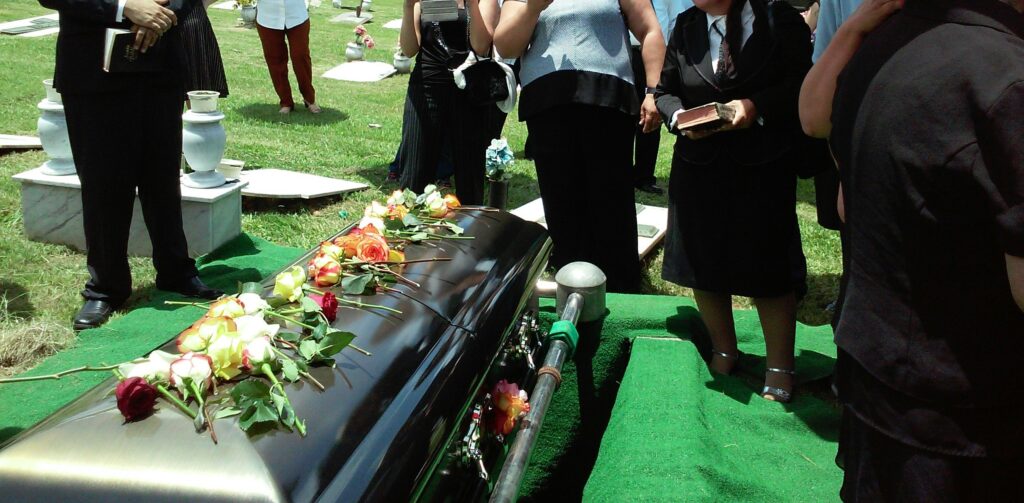
A traditional funeral is a time-honored ceremony that follows a structured format rooted in religious or cultural practices. Typically, it includes:
- A wake or visitation, where friends and family gather to offer condolences.
- A formal service led by a clergy member or officiant.
- A eulogy and readings.
- Burial or cremation, often immediately after the service.
Traditional funerals are usually held within a few days of the person’s passing, often at a funeral home, place of worship, or cemetery.
What Is a Celebration of Life?
A celebration of life, on the other hand, is a more informal, personalized event that focuses on the joy, stories, and unique personality of the deceased. It might include:
- Speeches or toasts from loved ones.
- Favorite music, videos, or a photo montage.
- Casual or themed dress code.
- Venue choices ranging from parks to banquet halls—or even someone’s backyard.
Unlike a funeral, a celebration of life can take place weeks or months after death, allowing more time for planning and healing.
Key Differences Between a Celebration of Life vs. Funeral
Choosing between a celebration of life vs. funeral comes down to the tone, structure, and emotional goals of the service. Here’s how they compare:
| Aspect | Traditional Funeral | Celebration of Life |
|---|---|---|
| Tone | Solemn, reflective | Uplifting, joyful |
| Structure | Formal, ritual-based | Informal, flexible |
| Timing | Within days | Can be delayed |
| Venue | Funeral home, church | Anywhere meaningful |
| Attire | Black/formal wear | Casual or themed |
| Content | Religious readings, eulogy | Storytelling, media, music |
| Emphasis | Mourning the loss | Honoring the life lived |
Understanding these differences can help families align the service with their values, emotions, and the personality of the person being honored.
Pros and Cons of a Traditional Funeral
Pros
- Structure brings comfort: For many, the rituals of a funeral offer solace and closure.
- Cultural and religious alignment: Funerals often follow customs that reflect a person’s faith or heritage.
- Community support: These services can draw large gatherings and formal condolences from friends, coworkers, and distant relatives.
Cons
- Emotional heaviness: The tone may be overwhelmingly sorrowful, especially for children or those unaccustomed to grief.
- Time pressure: Planning must often happen quickly, leaving little room for personalization.
- Higher cost: Embalming, casket, cemetery plots, and formal venues can lead to high expenses.
Pros and Cons of a Celebration of Life
Pros
- Personalized tribute: These events can reflect the individual’s personality through music, décor, or favorite foods.
- Flexible timing: Families have time to grieve and organize something meaningful.
- Healing through joy: Sharing uplifting memories can ease the pain of loss.
Cons
- Lack of structure: Without a clear format, the event may feel disorganized.
- Emotional disconnect: Some may feel that focusing only on celebration doesn’t allow space for proper mourning.
- Not ideal for every culture: In some traditions, a formal funeral is not only expected but necessary for spiritual reasons.
Which One Is Right for Your Family?
There’s no “right” or “wrong” when comparing a celebration of life vs. funeral—just what feels authentic to your family and loved one. Here are some questions to guide your decision:
- What Were Your Loved One’s Wishes?
Did they request a certain type of service? Some may have left instructions or expressed preferences. Honoring those desires can bring peace to both the family and attendees.
- What Are Your Family’s Religious or Cultural Needs?
If your family follows specific religious practices, a traditional funeral may be necessary to fulfill spiritual obligations. Conversely, a celebration of life might be more appropriate if your family values a secular or individualistic approach.
- What Is the Emotional State of the Family?
Some families benefit from the structured mourning a funeral provides. Others may find greater comfort in sharing laughs and joyful stories. Consider what environment will best support collective healing.
- What Budget Are You Working With?
While both services can vary in cost, funerals often involve more logistics and fees (casket, hearse, cemetery fees, etc.). A celebration of life can be more cost-effective, especially if held in a home or park.
- How Much Time Do You Need to Plan?
If family members are spread out or if grief is too raw in the immediate aftermath, a celebration of life offers the flexibility to gather at a later, more suitable time.
Combining the Two
It’s not uncommon for families to blend elements of both. For instance:
- A small, private funeral service followed by a larger celebration of life weeks later.
- Including a eulogy and moment of silence within a casual celebration.
- Hosting a wake that’s both respectful and personal, incorporating music or video tributes.
Hybrid approaches allow families to honor tradition while embracing individuality.
Real Stories: What Families Are Choosing
Maria’s Story
When Maria’s father passed away, she opted for a church funeral followed by a garden reception with live music and his favorite Cuban food. “We needed the formality of the funeral,” she said, “but the celebration afterward let us truly remember who he was.”
John’s Story
John lost his best friend suddenly and organized a beach bonfire with friends weeks later. They played his favorite surf rock playlist, shared stories, and released paper lanterns. “It felt like a party he would’ve loved,” John explained.
These stories show there is no single “right” way to say goodbye—only the one that resonates most deeply with your heart and your community.
Final Thoughts
Whether you choose a celebration of life vs. funeral, the goal is the same: to honor your loved one with dignity, authenticity, and love. Each approach provides different tools for healing and remembrance. The best choice is the one that supports your family emotionally, spiritually, and practically during an incredibly difficult time.
If you’re navigating this decision, take a moment to reflect, consult loved ones, and trust your instincts. At the end of the day, what matters most is not the format of the farewell, but the sincerity of the love behind it.