
A crowded career fair puts recruiters in competition for more than attention. Every employer is trying to attract candidates, explain its workplace, and encourage applications within a limited amount of time. A booth with attractive graphics may bring people over, but the real challenge is giving them a reason to stay and take the next step.
The most effective career fair booths combine clear messaging, useful displays, meaningful conversations, and an organized follow-up process. Here are practical ways to make each part of the recruitment experience count.
1. Build Your Booth Around the Roles You Need to Fill
Before choosing banners or promotional materials, decide which candidates you want to reach. A company recruiting software developers needs a different booth message from one looking for sales trainees or management graduates.
Make the available opportunities visible instead of relying on a general company slogan. Use a headline such as “Start Your Engineering Career Here” or “Explore Graduate Opportunities in Marketing and Finance.” This helps candidates quickly recognize whether the company has relevant openings.
You can also organize information by department. Separate role descriptions or clearly labeled sections make it easier for visitors to find the right recruiter without waiting for a general introduction.
2. Use Displays to Communicate More Than Your Company Name
Your booth should explain what makes the organization worth considering. A logo establishes recognition, but candidates often want to know what the company does, what its employees work on, and what opportunities it offers.
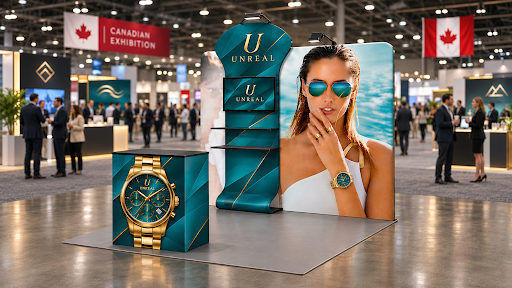
A branded backwall can introduce the company, while smaller banners highlight recruitment programs, workplace benefits, or current vacancies. Explore different trade show displays to create a coordinated setup using backdrops and portable display structures.
Avoid filling every surface with text. Choose a few messages that candidates can understand while walking past. If you use a screen, show short employee interviews, workplace footage, or examples of projects completed by different teams. Add captions so visitors can follow the content without audio.
3. Make the Recruitment Table Work Harder
The table is more than a place to leave brochures. It can help organize conversations, display recruitment information, and maintain a consistent branded appearance.
A custom table cloth featuring the company logo and brand colors gives the booth a finished look. Keep the tabletop organized into clear sections:
- Role information: A concise list of current openings and qualifications.
- Candidate resources: QR codes linking to job descriptions and application pages.
- Conversation tools: Tablets, business cards, and recruiter contact details.
- Takeaways: A small selection of useful branded items.
Keep bags, packaging, and extra supplies underneath the table rather than beside it. A clean surface makes it easier for candidates to approach and gives recruiters more room to work.
4. Give Candidates Something Useful to Do
Interactive activities can attract visitors, but they should connect to the recruitment process. A random prize game may create a queue without telling recruiters anything about the people participating.
Instead, introduce activities that reveal candidates’ interests or help them understand the work.
- For example, a technology company could offer a short coding or problem-solving challenge.
- A design agency could invite visitors to review a sample brief and suggest an idea.
- A sales team could present a short customer scenario and ask how a candidate would approach it.
These activities create natural conversation starters. Recruiters can discuss how participants approached the challenge and explain which roles involve similar responsibilities.
Another useful option is a five-minute career consultation. Candidates can share their interests, ask about relevant departments, and receive guidance on suitable openings.
5. Choose Giveaways That Have a Purpose
Promotional merchandise can help candidates remember the company, but distributing items without a clear reason rarely creates meaningful recruitment interest.
Choose practical products that reflect the audience and the organization. Notebooks and pens work well for students attending multiple sessions, while reusable bags are useful for carrying event materials. Companies recruiting in technical fields might offer small accessories relevant to their audience.
Consider making giveaways part of an interaction rather than handing them to everyone who passes. For example, candidates could receive a branded notebook after completing a short skills activity or speaking with a recruiter about a relevant position.
This approach keeps distribution manageable and gives the item a connection to the experience.
6. Prepare Recruiters for Better Conversations
A well-designed booth cannot compensate for a team that gives unclear or inconsistent answers. Recruiters should arrive knowing the essential details of every advertised position, including responsibilities, required skills, location, and application deadlines.
Prepare a short conversation framework:
- Ask about the candidate’s education, experience, or career interests.
- Identify the roles that match their background.
- Explain what the position involves and what the hiring process requires.
- Agree on a specific next step.
Where possible, include employees from different departments. A recent graduate can discuss the transition into the workplace, while a technical team member can answer detailed questions about projects and responsibilities. Their firsthand experience makes the conversation more informative.
7. Capture Candidate Information Without Creating Friction
Collecting resumes is not the same as building a useful candidate pipeline. Recruiters need enough information to understand who they spoke with and what action should follow.
Use a QR code or digital form to collect contact details, areas of interest, relevant skills, and preferred roles. Ask candidates for the information needed for recruitment rather than making the form unnecessarily long.
Record a short conversation note as well. A detail such as “interested in summer software internship; completed a Python project” gives the recruiting team a useful reference when reviewing applications later. Explain how candidate information will be used and obtain appropriate consent.
8. Turn Career Fair Conversations Into Follow-Up Opportunities
Follow-up should reflect the conversation rather than send every visitor the same generic thank-you message.
Organize contacts into practical groups:
- Strong matches: Send the relevant application link and explain the next hiring step.
- Potential future candidates: Share upcoming graduate programs or suitable vacancies.
- General inquiries: Provide the careers page and useful company information.
Whenever possible, contact interested candidates within a few business days while the conversation is still fresh. Mention the role discussed, answer any outstanding question, and make the next action clear.
After the event, review more than the number of visitors. Track qualified candidates, applications started, applications completed, and interviews generated. These figures reveal whether the booth attracted the right audience or simply generated foot traffic.
Final Thoughts
A successful career fair booth should do more than make a company visible. It should help candidates understand available opportunities, experience something meaningful about the workplace, and know how to continue the conversation. With purposeful displays, relevant activities, prepared recruiters, and personalized follow-up, a career fair becomes a more effective part of the hiring process.