
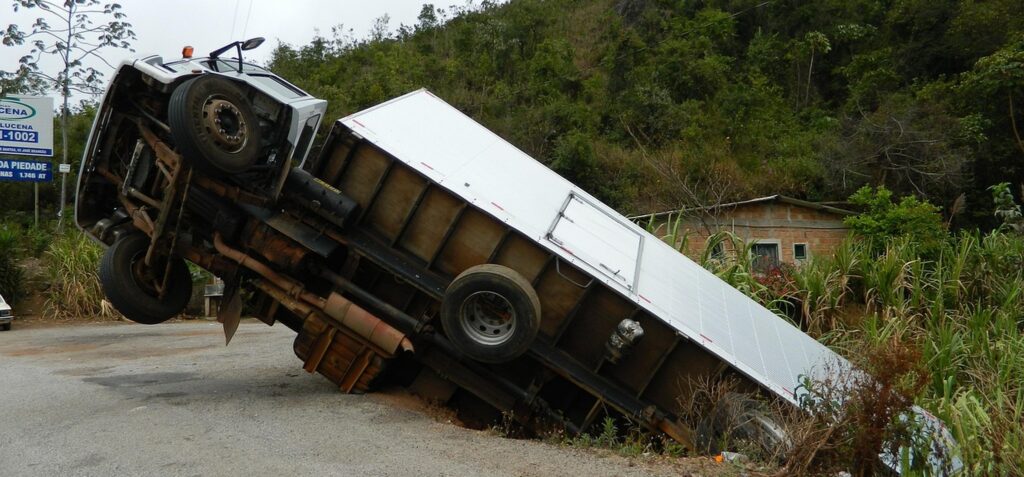
Yes. Passengers injured in a multi-vehicle jackknife crash can generally pursue their own injury claims, even when they were riding in the same vehicle. Each passenger has an individual claim because injuries, medical expenses, lost income, and other losses can differ from person to person. The responsible parties may include the truck driver, trucking company, another motorist, or an entity responsible for vehicle maintenance or cargo loading.
A jackknife crash occurs when a truck's trailer swings out of alignment with its cab, often creating a sharp angle between the two sections. This movement can block several lanes, cause nearby vehicles to collide, and lead to a chain reaction involving multiple cars and trucks. Passengers caught in these collisions may suffer serious injuries even when they had no control over the events that caused the crash.
Why Each Passenger May Have a Separate Claim
A passenger's right to seek compensation is generally based on their own injuries and losses. Two people sitting in the same car may experience very different outcomes. One passenger might suffer minor cuts and bruising, while another may sustain a spinal injury, fracture, or traumatic brain injury.
Separate claims allow each injured person to document their individual damages. These may include:
- Emergency treatment, hospital bills, and follow-up medical care.
- Prescription costs, rehabilitation, and physical therapy.
- Lost wages and reduced future earning capacity.
- Pain, suffering, and physical limitations.
- Costs associated with long-term care or disability.
- Other losses supported by the facts and applicable law.
A passenger does not have to depend on another occupant to bring a claim. Each injured person can pursue compensation based on their own circumstances and the evidence available.
Evidence That Can Help Establish Liability
A thorough investigation is especially important when several vehicles are involved. Police reports can provide an initial account of the crash, but additional evidence may be needed to understand the sequence of collisions.
Useful evidence may include:
- Photographs and video of vehicle damage and road conditions.
- Dashcam footage and nearby surveillance recordings.
- Electronic logging device information and available event data.
- Truck inspection, maintenance, and repair records.
- Cargo documents and loading information.
- Driver qualification and training records.
- Statements from witnesses and responding officers.
- Medical records documenting each passenger's injuries.
Federal Motor Carrier Safety Regulations may also be relevant. For example, 49 C.F.R. §392.3 prohibits a commercial motor vehicle driver from operating when fatigue or illness makes driving unsafe. Other regulations address vehicle inspection, maintenance, and cargo securement.
How Multiple Claims Can Affect Compensation
Separate passenger claims do not necessarily mean that every person will receive compensation from a different insurance policy. Several claims may be directed toward the same responsible party and may involve the same available insurance coverage.
If the responsible party has limited policy coverage, the amount available may become an issue when multiple people have substantial injuries. The outcome can depend on the policy limits, other applicable coverage, the number of claimants, and the governing law.
In Ohio, comparative fault is addressed under Ohio Revised Code Section 2315.33. A passenger's own conduct may be considered if the evidence supports an argument that it contributed to the injury. However, passengers are not automatically responsible simply because they were traveling in a vehicle involved in the collision.
Steps Passengers Should Take After the Crash
Passengers should seek medical attention even if symptoms initially appear mild. Some injuries, including concussions and soft-tissue injuries, may become more noticeable hours or days after a collision.
Each injured passenger should keep personal copies of medical records, bills, photographs, and information about missed work. Avoid assuming that one passenger's records or settlement will automatically cover another person's losses. Before signing a release, understand which claims and injuries the document addresses.
Key Takeaways
- Passengers injured in a jackknife crash can generally pursue separate injury claims.
- Each claim should document the passenger's own medical expenses, lost income, and other losses.
- Electronic data, inspection records, photographs, and medical documentation can help establish liability.
- Multiple claims may involve the same insurance policy and available coverage limits.
- Passengers should review settlement releases carefully before signing them.
Previously in Business news: More Efficiency, Fewer Satellites: A Chinese AI Institute Flips the Norm of Space Communications