
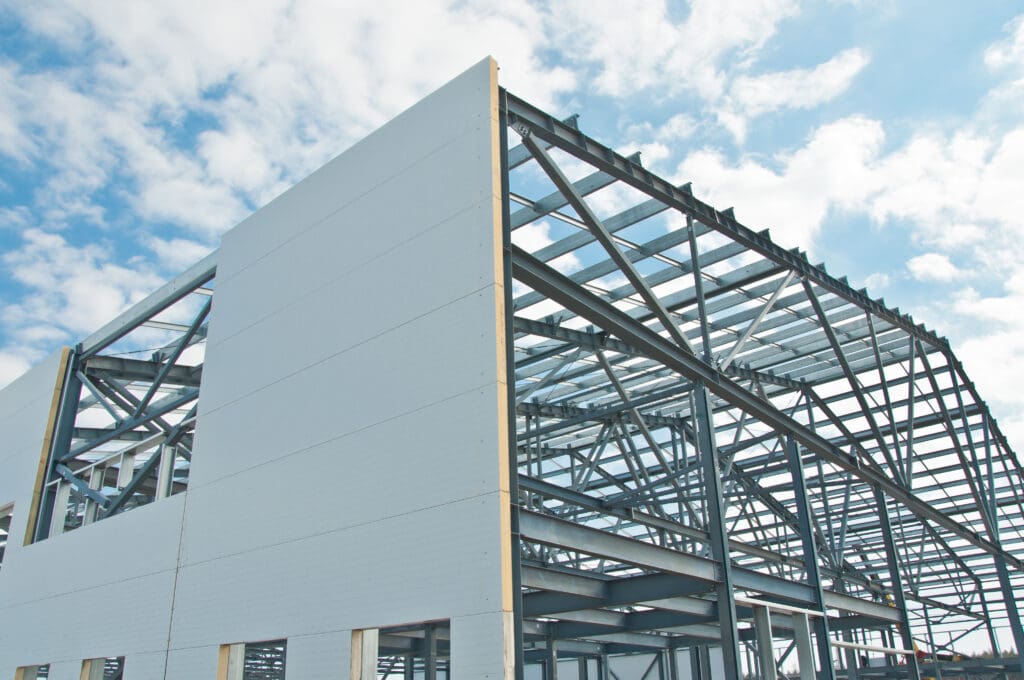
Building sustainable structures is one of the primary challenges of the 21st century. Experts in the construction industry continuously make efforts to reduce environmental impact by integrating green practices and using eco-friendly materials like steel.
Steel stands out among sustainable building materials. Aside from being one of the strongest options today, it also plays a crucial role in efforts to lessen the construction industry’s environmental impact.
Here’s a quick discussion on steel structure’s impact on environmental responsibility and building a sustainable future.
Understanding Steel As A Sustainable Material
Steel is well-known for its unmatched strength, durability, and versatility, making it a reliable material for constructing buildings, bridges, and other large infrastructure. On top of these advantages, steel is also one of the most sustainable materials.
Construction experts utilize steel for prefab buildings, like modular houses, garages, barns, and recreational spaces. These modern structures have less environmental impact compared to traditional ones. You can create the building you need while reducing your carbon footprint with any of the options you choose from custom-made and easy-to-build prefabricated steel building kits.
Steel And Sustainable Building Design
Due to the following advantages, steel is among the top choices in environmentally responsible construction:
- Flexibility And Adaptability: Steel’s inherent flexibility and adaptability make it a practical choice material for sustainable construction. It can be fabricated into any shape to suit a variety of structural applications. Moreover, its adaptability allows for modifications and extensions with minimal disruption, reducing the need for new construction materials and the associated environmental impact.
- High Strength-To-Weight Ratio: Another advantage of steel is its high strength-to-weight ratio. This characteristic allows architects and builders to use less material without compromising structural integrity, which can help reduce the overall carbon footprint of construction projects.
- Design For Disassembly: Steel structures are often designed for disassembly, a crucial aspect of sustainable building design. At the end of their lifespan, they can be taken apart to reuse, recycle, or repurpose the materials. This approach significantly reduces waste and the demand for new materials.
- Energy Efficiency: Steel plays a significant role in enhancing the energy efficiency of buildings. For instance, installing steel roofing with a special reflective coating can effectively deflect sunlight and reduce the amount of heat absorbed by buildings. This property improves insulation and reduces the need for artificial cooling in warmer climates, ultimately leading to lower energy costs and fewer carbon emissions.
- Support For Renewable Energy Systems: Steel structures can easily be adapted to incorporate renewable energy systems, like solar panels or wind turbines. By providing a robust and reliable framework for these installations, steel contributes to the shift toward green energy.
- Stormwater Runoff Reduction: Steel is a robust material suitable for supporting green roofs. This roofing type is common in modern eco-friendly commercial and residential buildings, helping manage stormwater runoff. It helps conserve water while reducing the strain on urban sewer systems.
- Habitat Preservation: By choosing recyclable materials like steel, the construction industry can help reduce the demand for new raw materials, helping preserve natural habitats that would otherwise be destroyed through mining and logging.
Many experts choose steel as the primary material for construction in an effort to reduce environmental impact while building long-lasting and resilient structures.
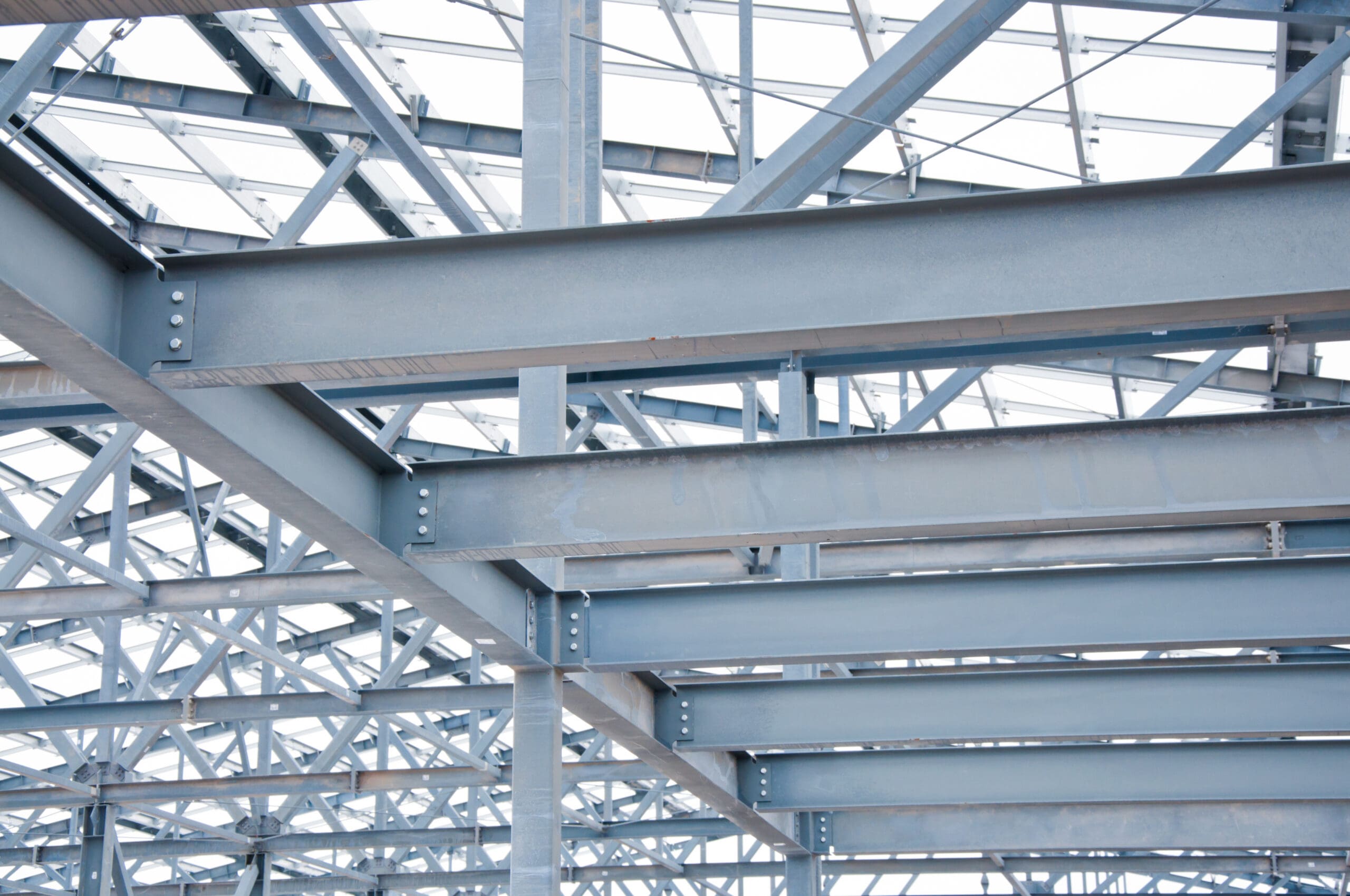
Ensuring A Responsible Steel Supply Chain
Examining and enhancing the environmental responsibility of the steel supply chain is crucial to maximizing its sustainability. It involves ensuring that the extraction, production, and distribution processes are environmentally sound, socially responsible, and economically viable through the following processes:
- Sustainable Mining Practices: The initial phase of the steel supply chain involves the extraction of iron ore. To reduce environmental impact, it’s imperative to implement measures to minimize land degradation through a progressive rehabilitation and preserving biodiversity by conducting thorough environmental impact assessments and establishing conservation programs.
- Energy-Efficient And Low-Emission Production Processes: As steel production moves forward, the focus shifts to making the manufacturing process as sustainable as possible. This development involves adopting cutting-edge technologies like hydrogen-based steelmaking, wherein hydrogen replaces coal as the reduction agent, resulting in water vapor instead of carbon dioxide to minimize carbon emissions.
- Optimized Distribution: The final stage in the steel supply chain is the distribution of steel products. Here, the focus is on reducing carbon emissions associated with transportation. Some of the ways to achieve this include streamlining logistics to optimize delivery routes and considering alternate modes of transport, such as rail or water, to reduce fuel consumption and improve overall energy efficiency.
Each stage of the steel supply chain offers opportunities for environmental stewardship and social responsibility while ensuring economic viability, allowing the construction industry to significantly enhance its contribution to a sustainable future.
Conclusion
Steel plays a crucial role in building a sustainable future. It’s a versatile material used in various applications, especially in green construction. By prioritizing environmental responsibility, experts can maximize its potential to build more eco-friendly, functional, and long-lasting structures.